Relief & remembrance · 2001–2002
September 11: the neighborhood relief effort
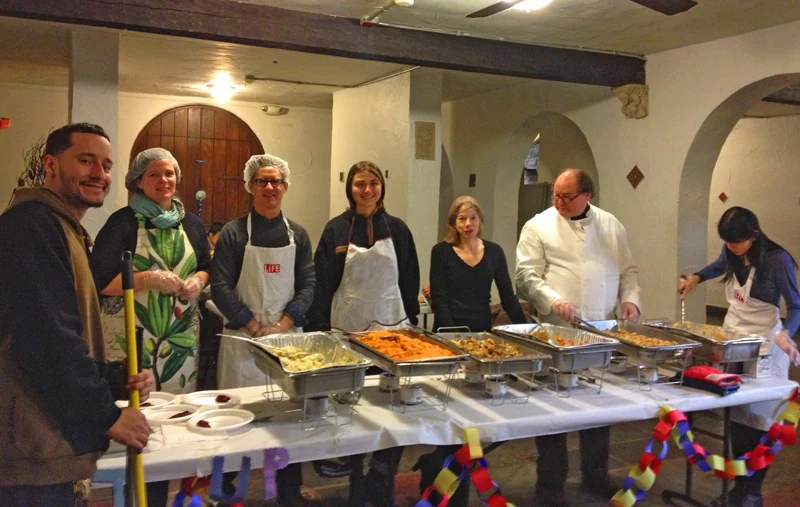
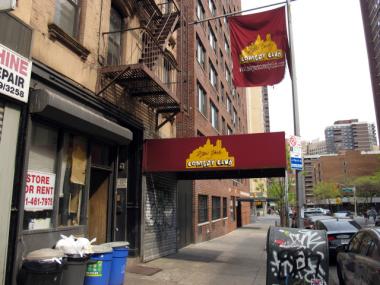
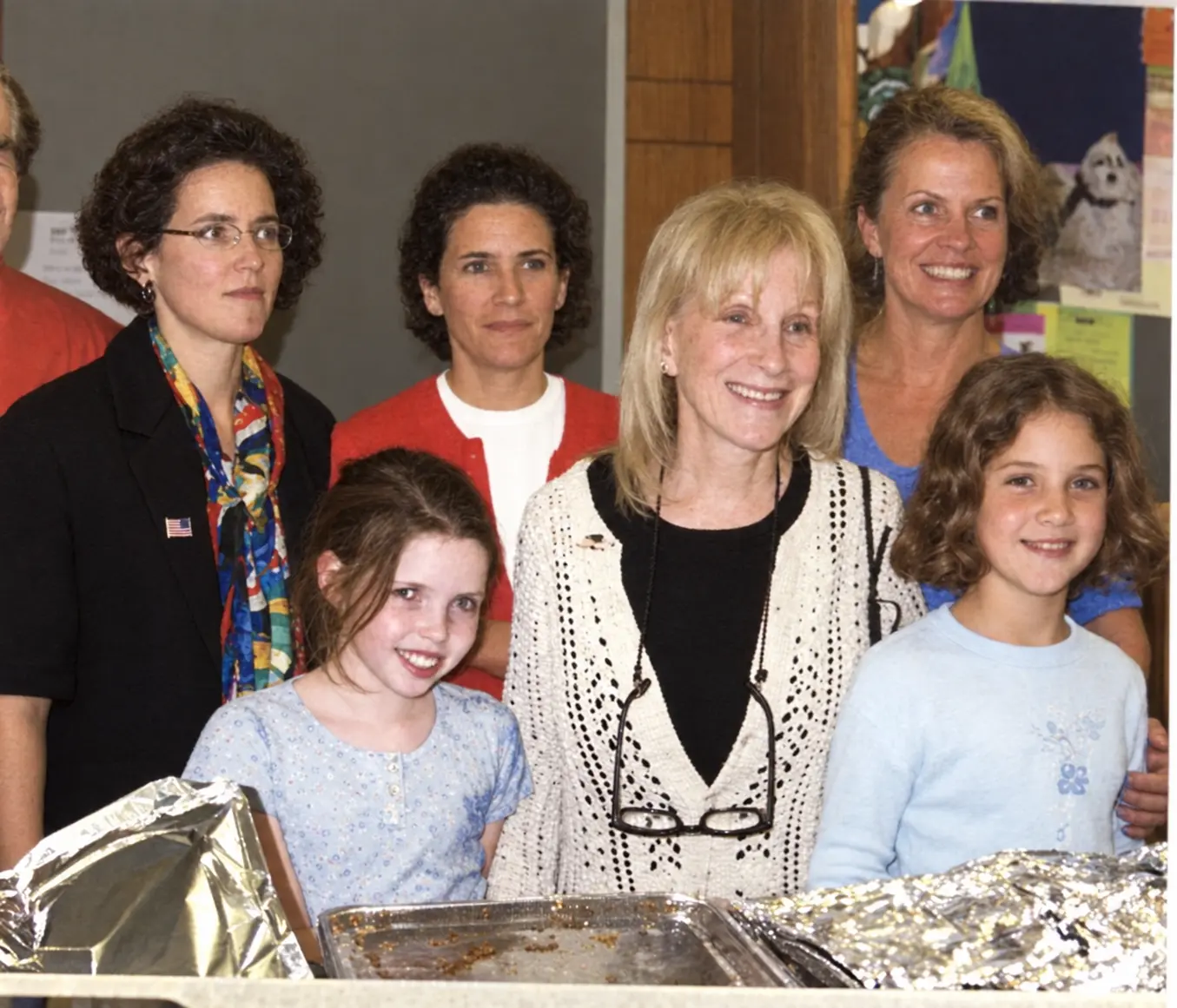
Restaurants became a source of meals; neighbors gathered supplies and offered places to rest. Gramercy’s local relationships became part of a much larger relief effort.

Search the people, places and projects in the Gramercy Park Block Association’s record by subject, period or location.
Back to the archiveOrdered by the most recent year each story covers. For current programs and practical help, search the whole site.
174 stories
Restaurants became a source of meals; neighbors gathered supplies and offered places to rest. Gramercy’s local relationships became part of a much larger relief effort.
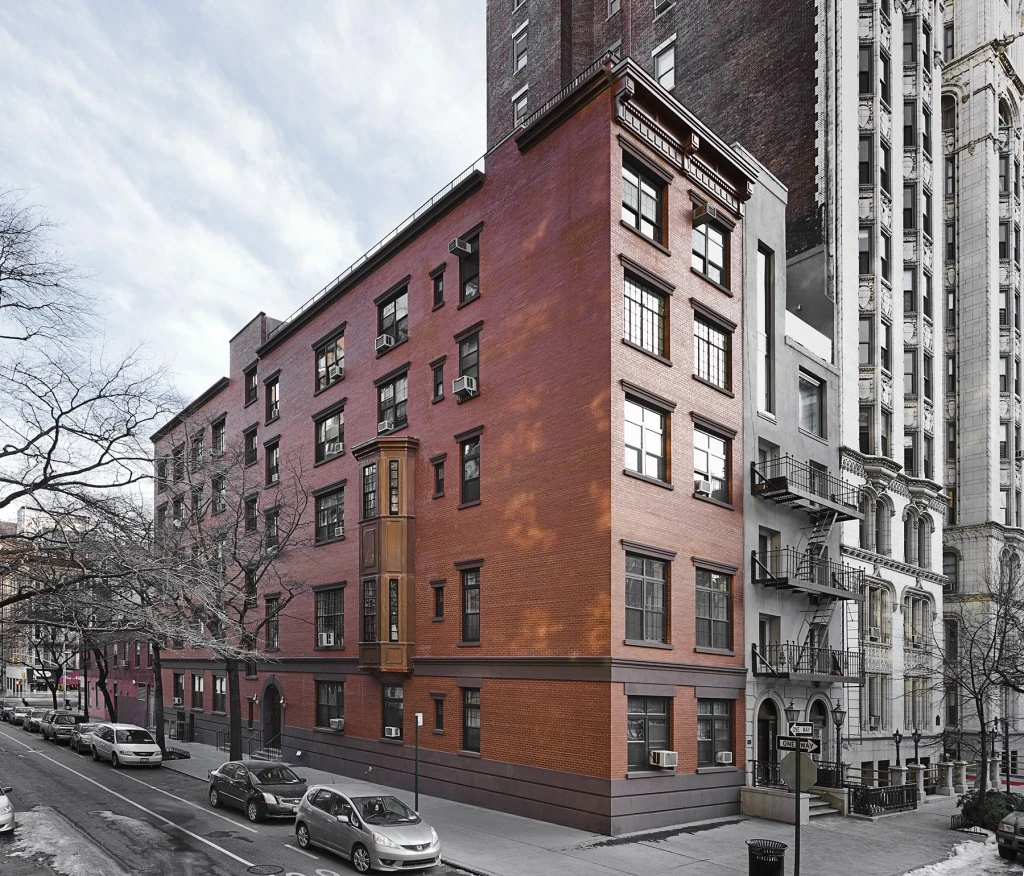
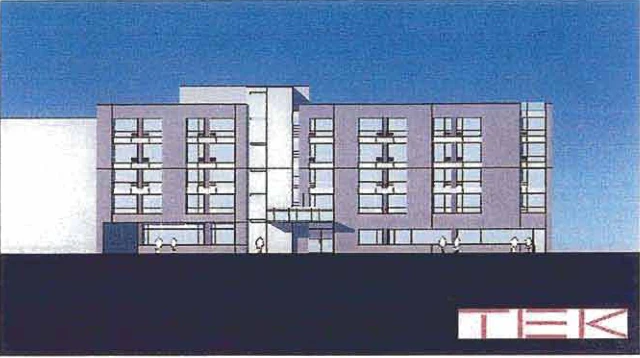
A new use for a familiar building brought old windows, cast iron and bluestone back into the conversation about Gramercy’s future.
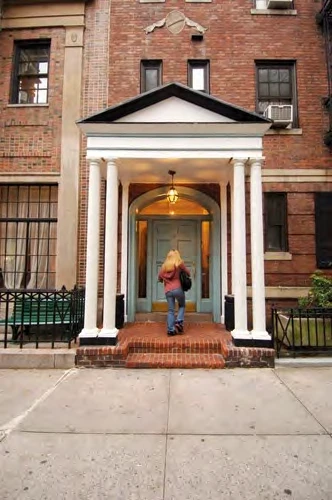
A missing porch can change an entire row of houses. A restoration proposal at No. 5 asked how to recover that connection between front door, sidewalk and Park.
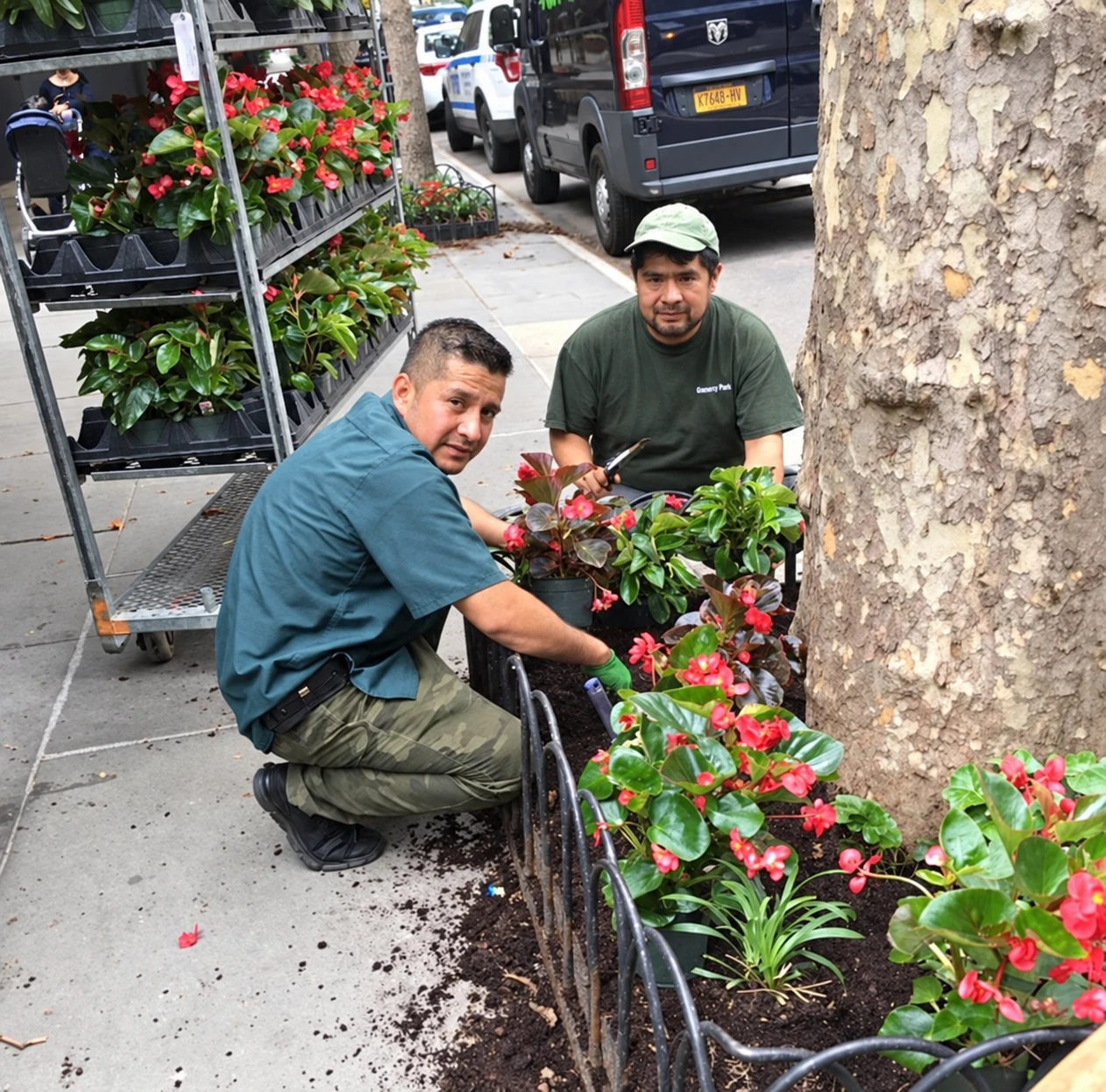
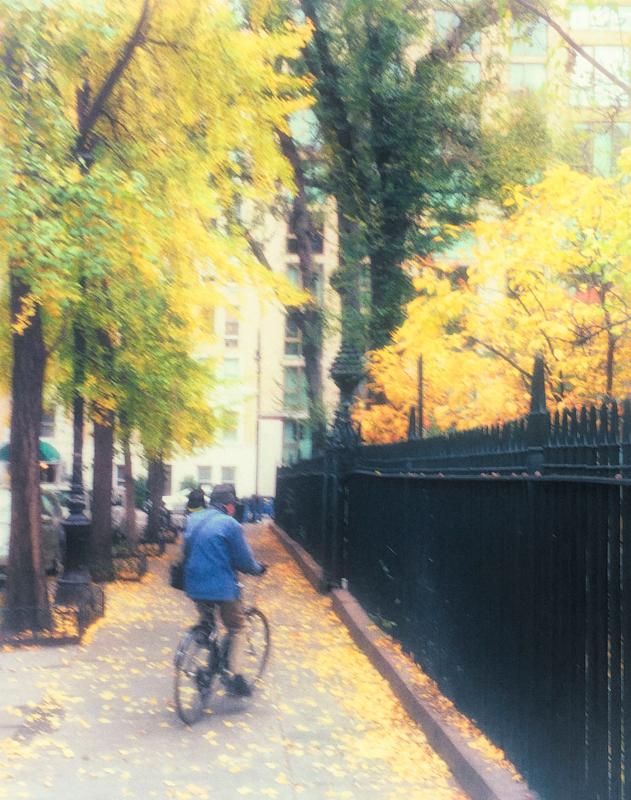
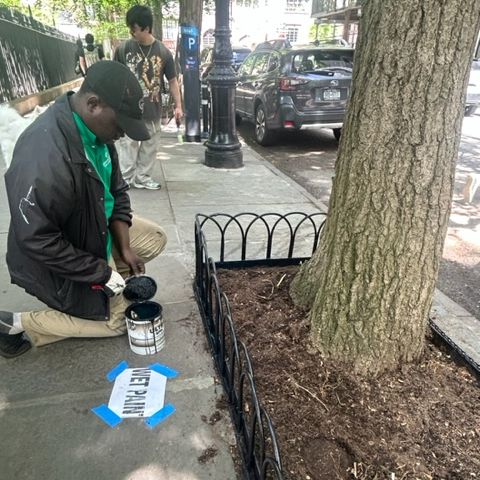
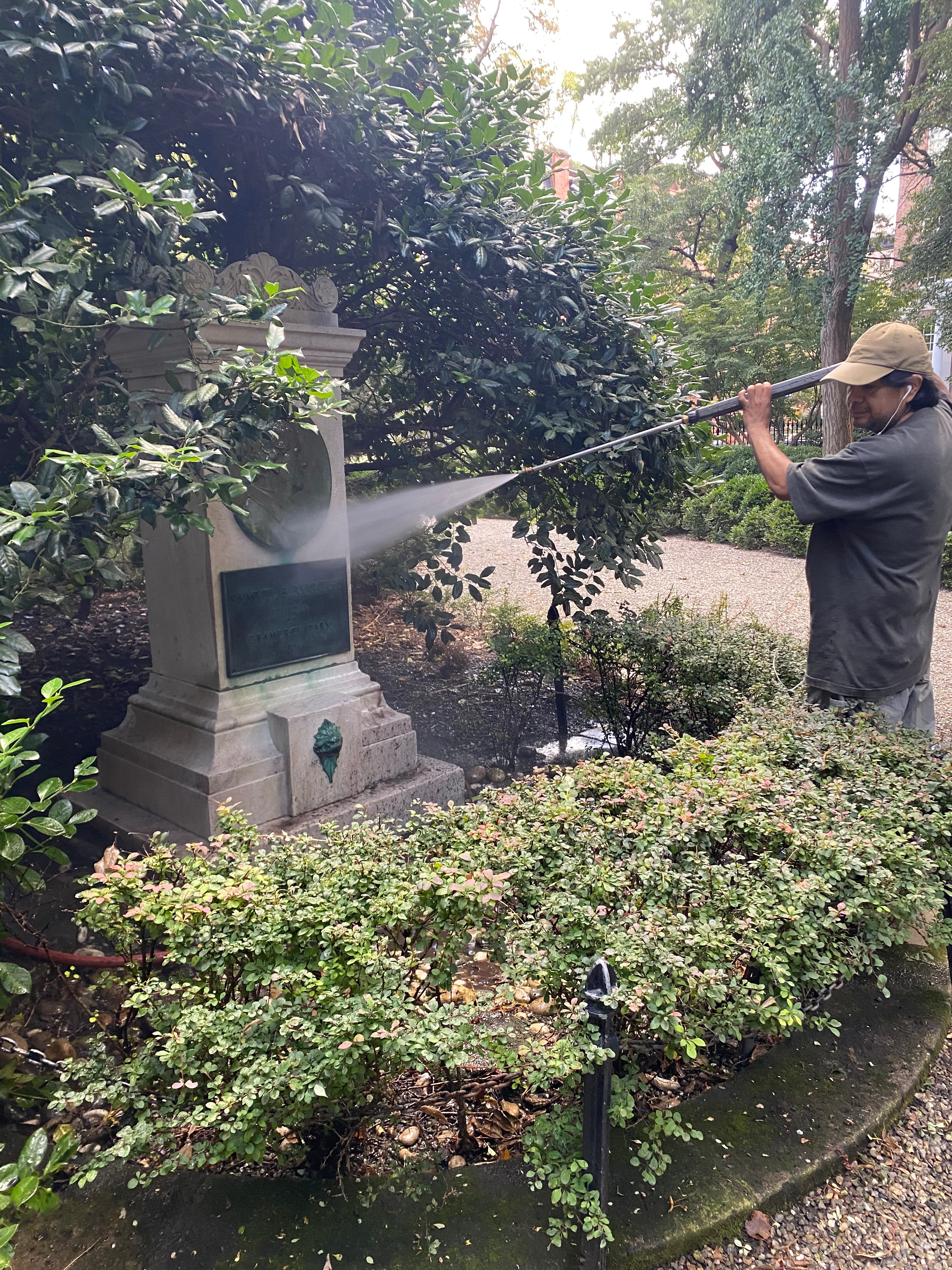
Fresh paint on a lamppost, planting beneath a tree, graffiti removed from ironwork: repeated small jobs helped the neighborhood’s historic details shine.
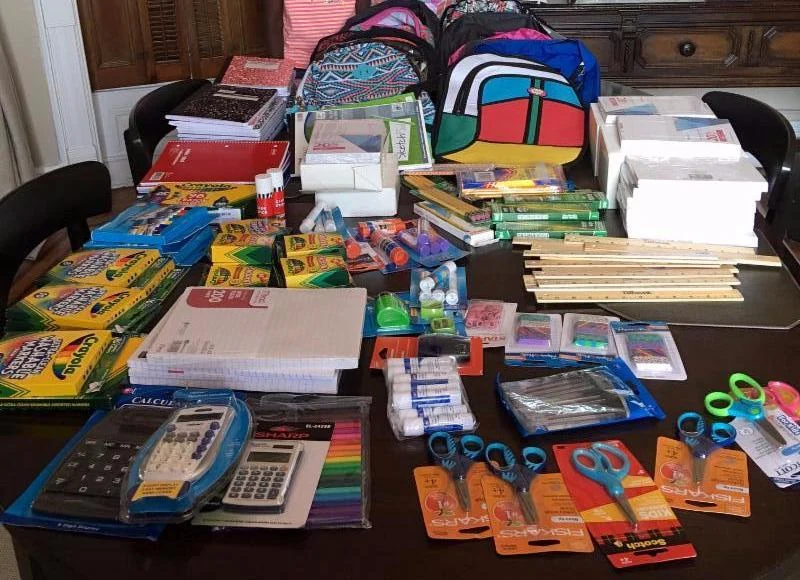
A pantry needs filling. A child needs school supplies. A neighbor cannot get out. Longstanding relationships help connect each need with someone able to help.
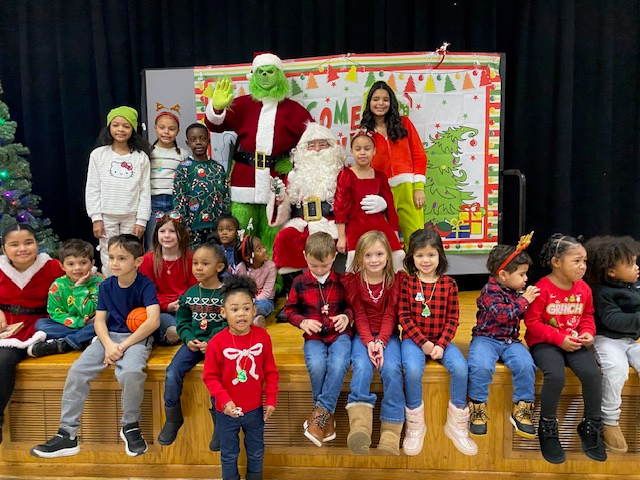
Planting bulbs, sorting books and serving holiday meals gave children a hands-on part in neighborhood life—and someone else a little help.
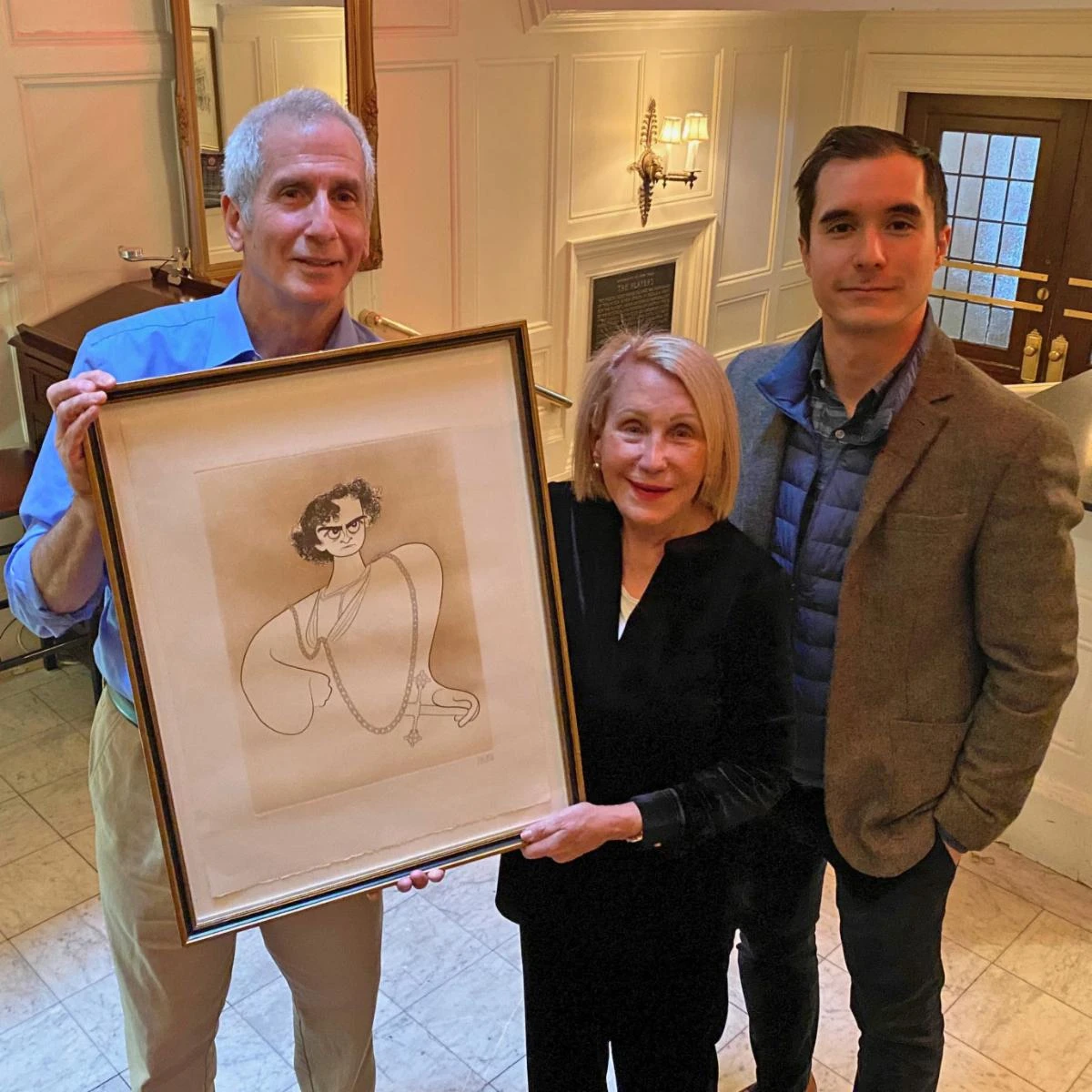
The Players and the National Arts Club give historic houses a continuing public life. Caring for their buildings helps keep that cultural story alive.
From a neighborhood campaign to a lasting relationship with residents.
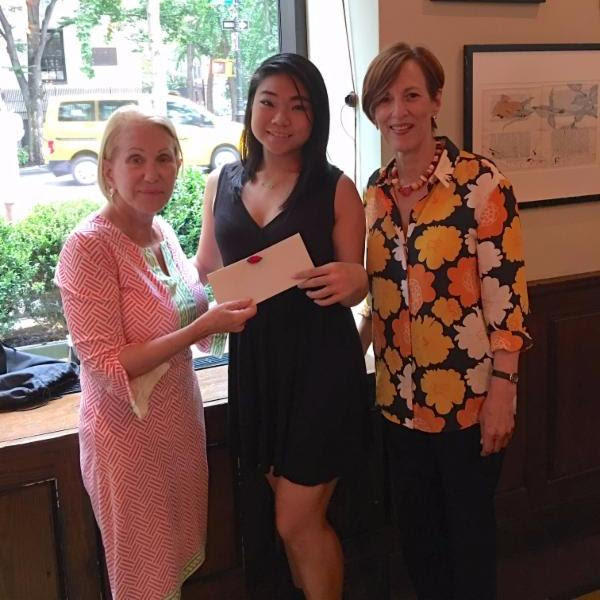
A ballet scholarship is only part of what a young dancer may need. Books, clothing, mentoring and steady encouragement helped make participation possible.
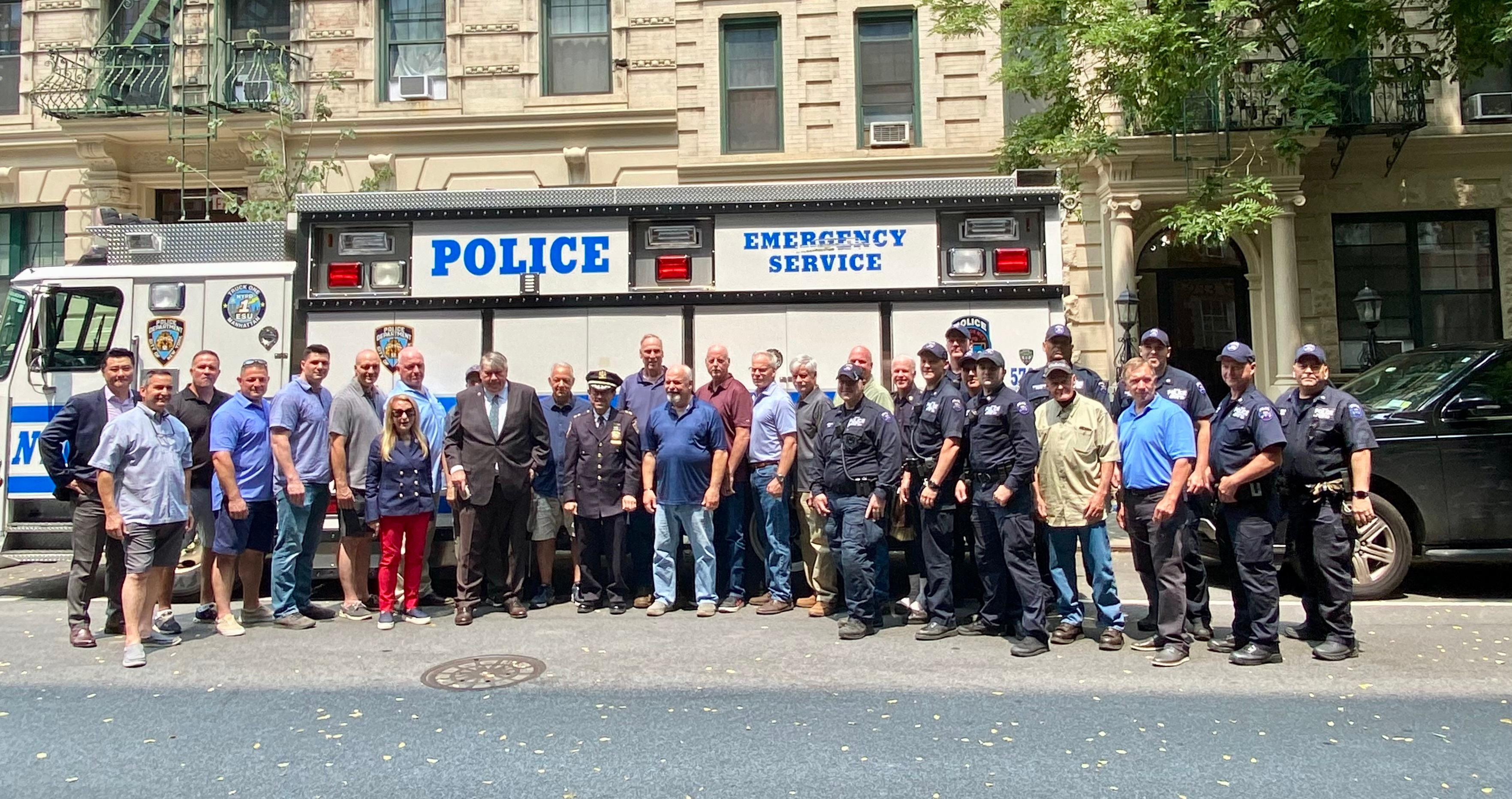
Conversation, activities and a chance to meet local officers gave public safety a neighborly setting at National Night Out.
A trip to the Capitol, a conversation with a congresswoman and support back home broadened the world of the 13th Precinct’s young Explorers.
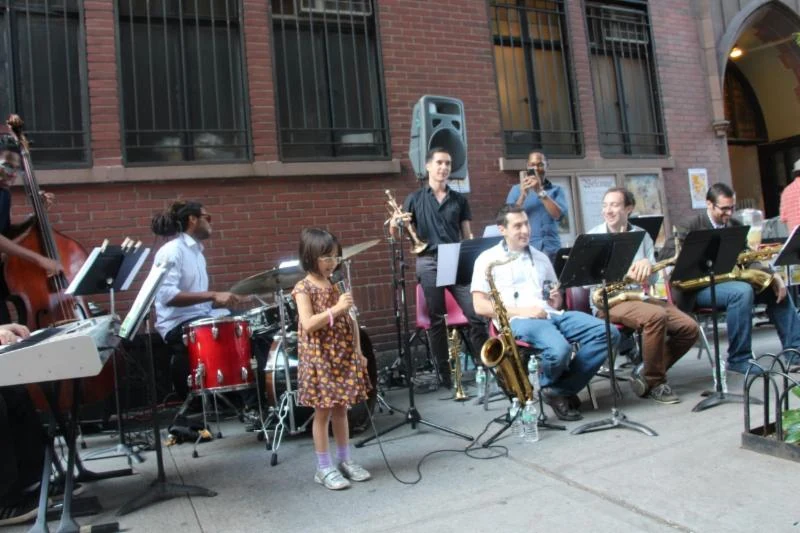
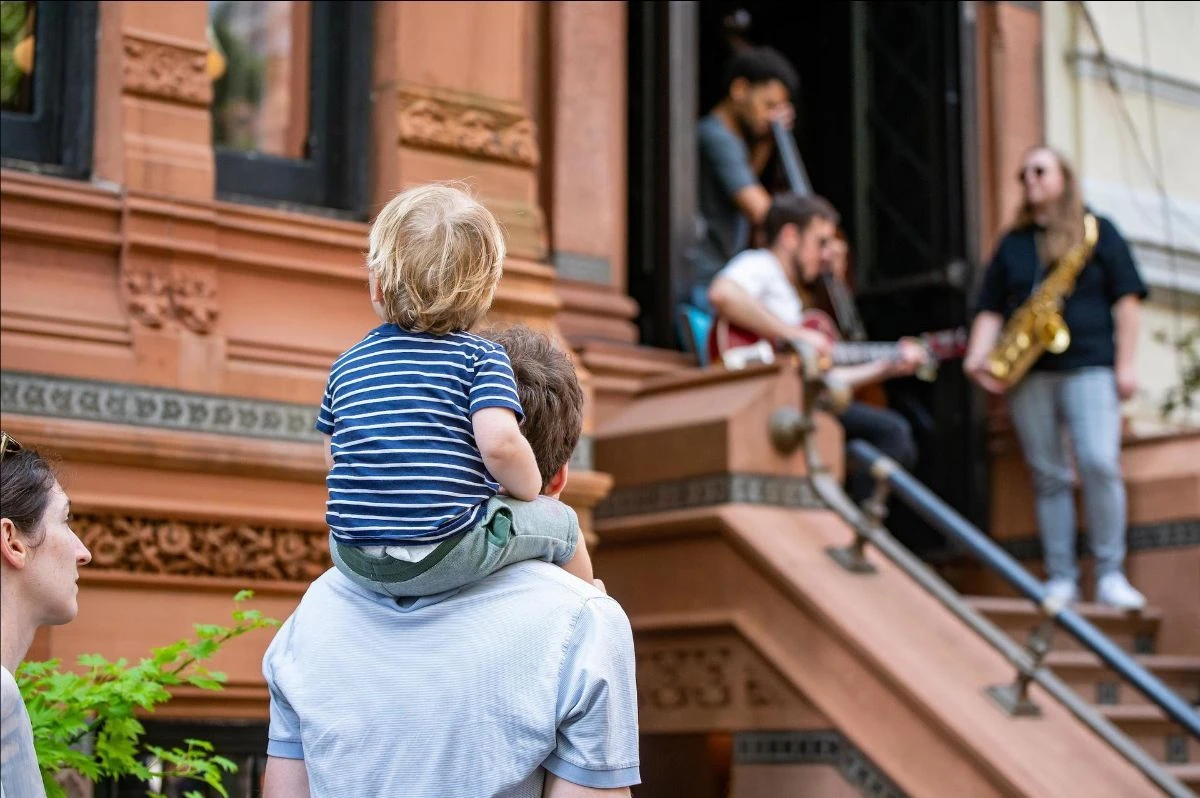
Brass music on Gramercy Park East and concerts at Calvary brought neighbors together. The performances gave familiar streets and gathering places a different rhythm.
The school year begins, winter arrives, a pantry runs low. Familiar seasonal changes bring practical ways for neighbors to help one another.
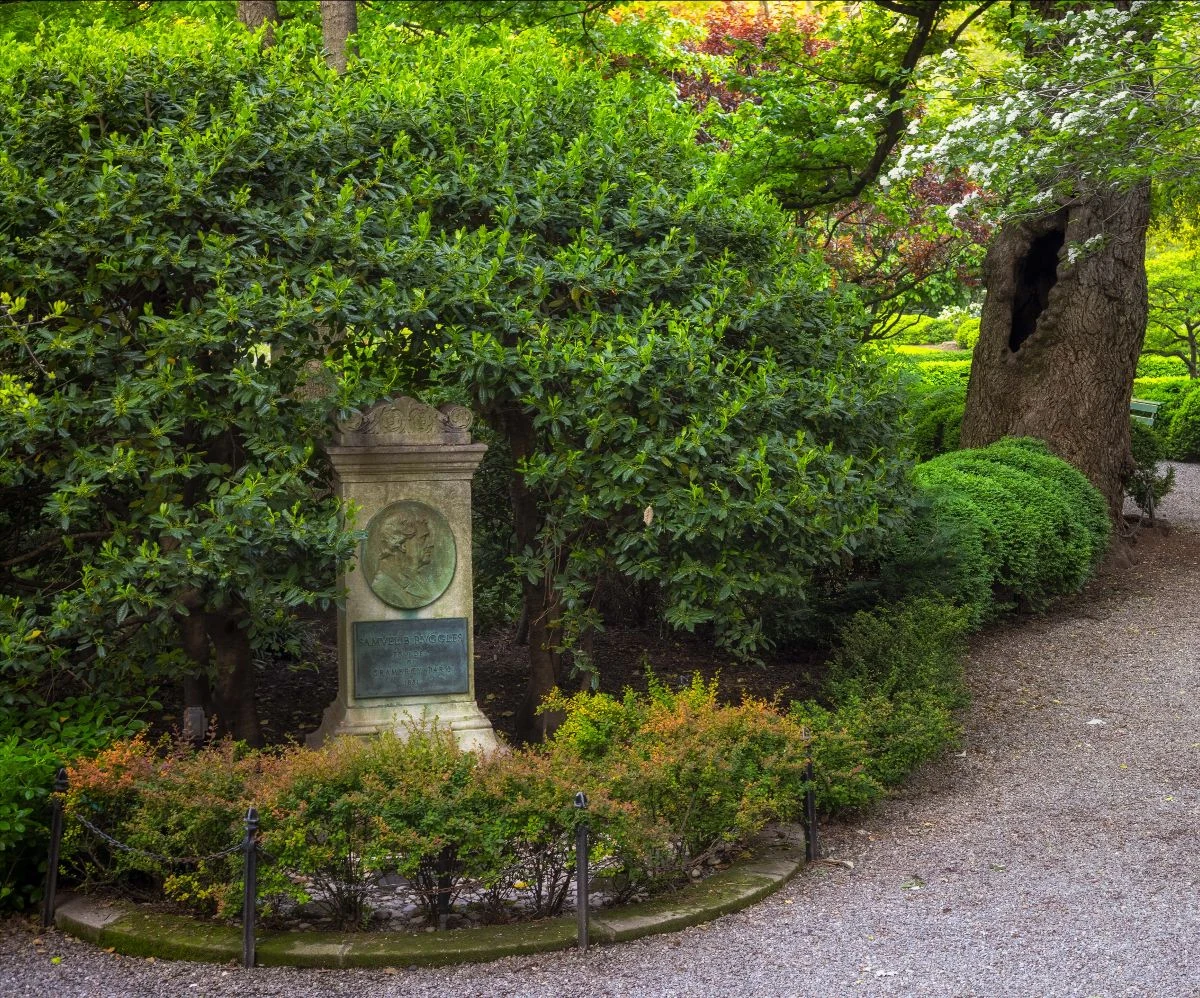
A damaged plaque on the south fence needed more than a polish. Its repair restored a small, visible reminder of why this neighborhood is protected.
After Katrina and Sandy, neighborhood relationships became a route for clothing, supplies and help with rebuilding—reaching well beyond the Park blocks.
How hundreds of residents organized around a proposed bar at 38 Gramercy Park North.
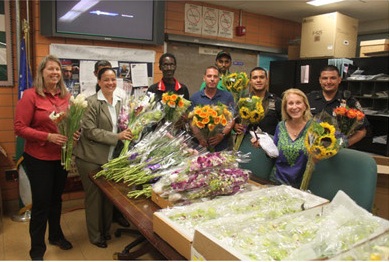
Outside the precinct, flowers made remembrance part of the daily walk. Children, neighbors and officers helped renew the garden across the seasons.
Music, seasonal gatherings and public events that made the blocks feel shared.
The development at Gramercy Park East and East 21st Street: current notices and the Gramercy Park Block Association’s continuing advocacy.
A hotel is also someone’s neighbor. Through successive plans for Gramercy Park Hotel, residents asked how its changing life would fit the residential streets around it.
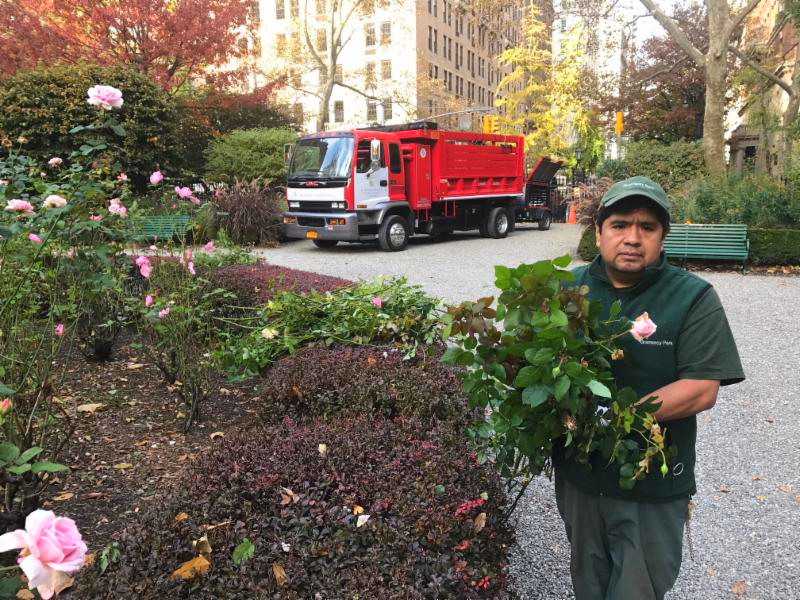
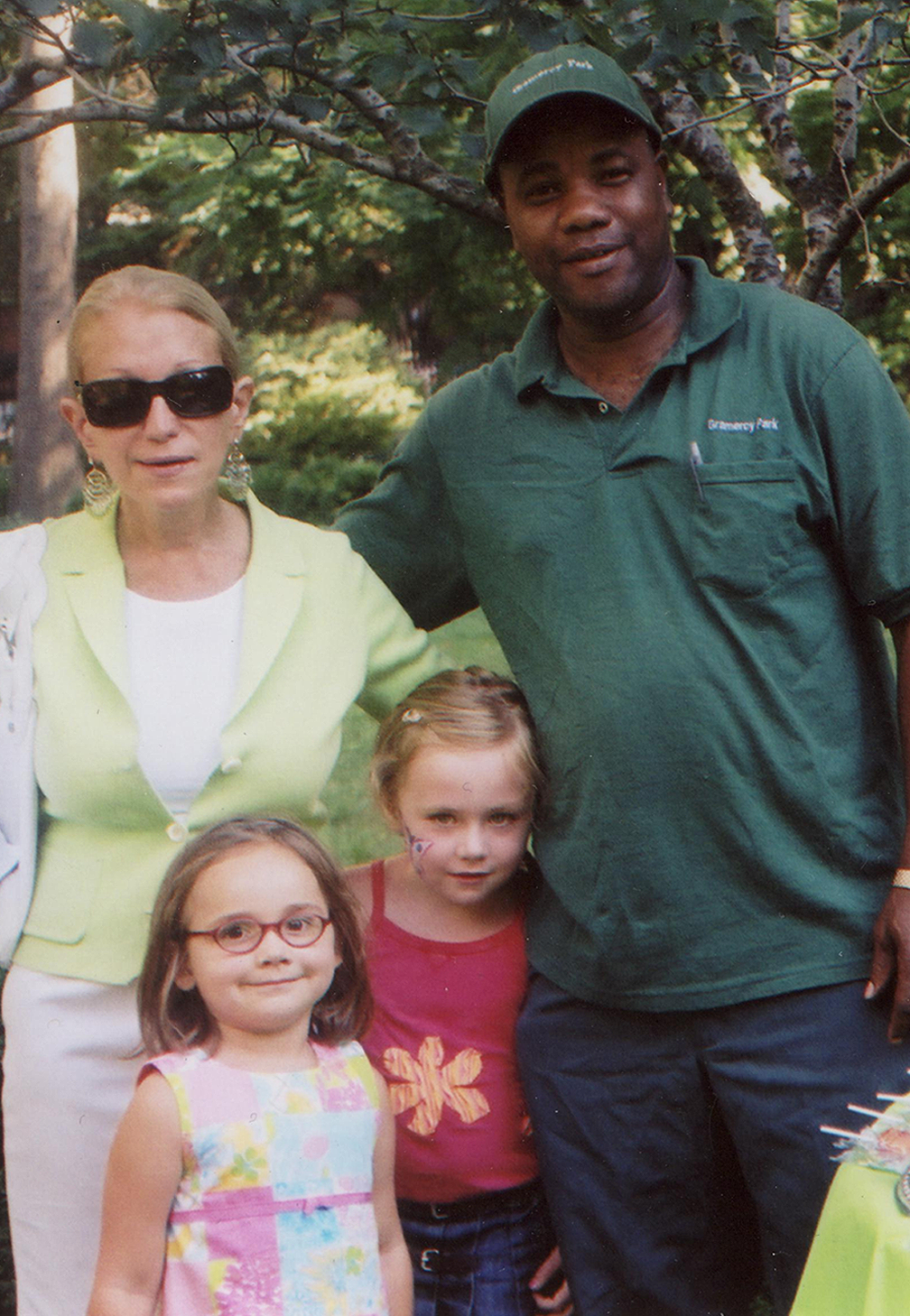
His first gardening job was working with roses. More than three decades into caring for Gramercy Park, Amando still wakes up with the same question: “What can I do for the Park today?”
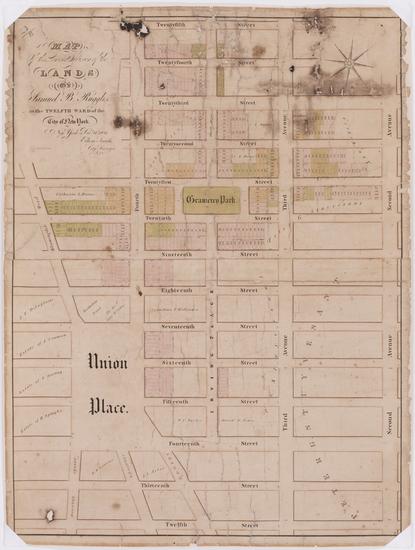
Ruggles imagined homes made better by a garden—and a garden sustained by its neighbors. That relationship still shapes the way we experience Gramercy.
The square was small; its residents’ ambitions were not. Education, libraries and an ocean-spanning cable linked Gramercy’s homes with a much wider world.
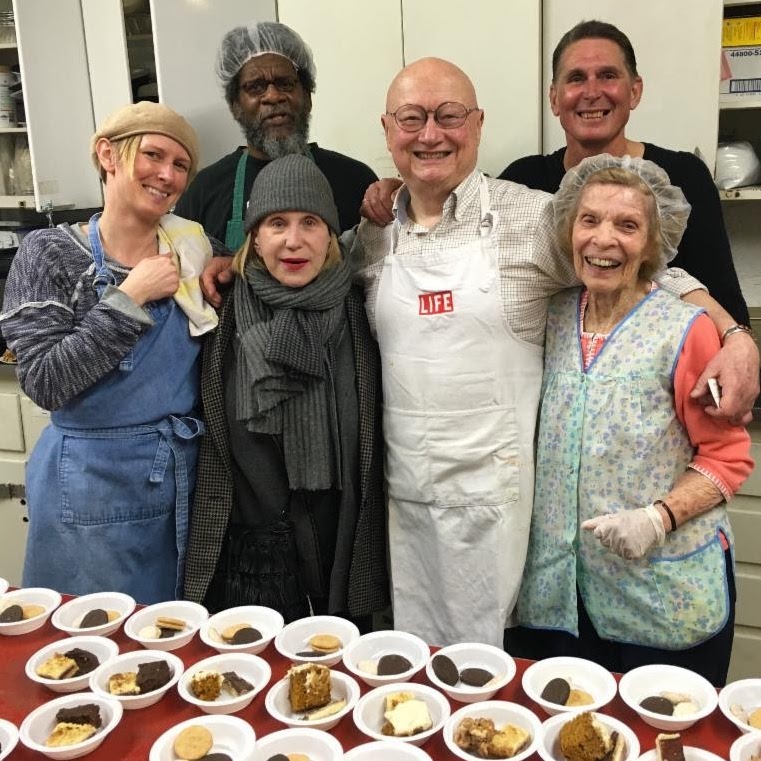
A hot meal begins long before anyone sits down. Pantry donations helped St. George’s volunteers turn rice, beans and other staples into a welcome at the table.
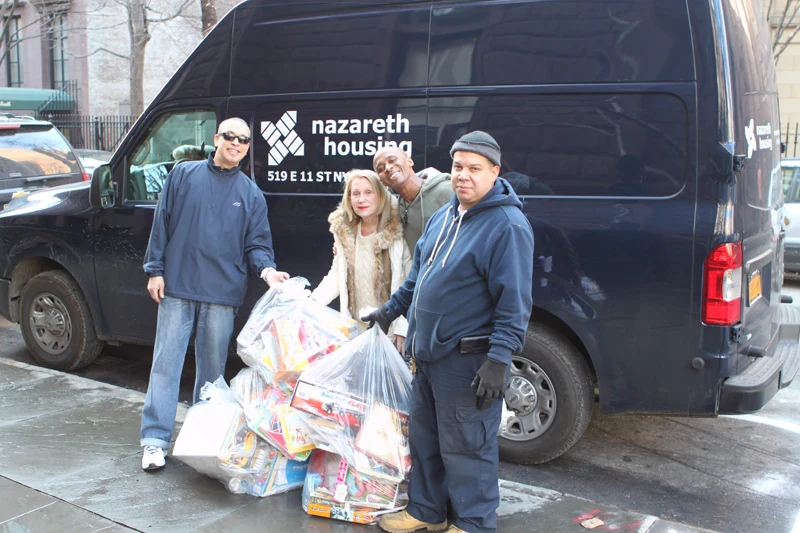
The neighborhood’s relationship with Nazareth Housing, built around families’ practical needs.
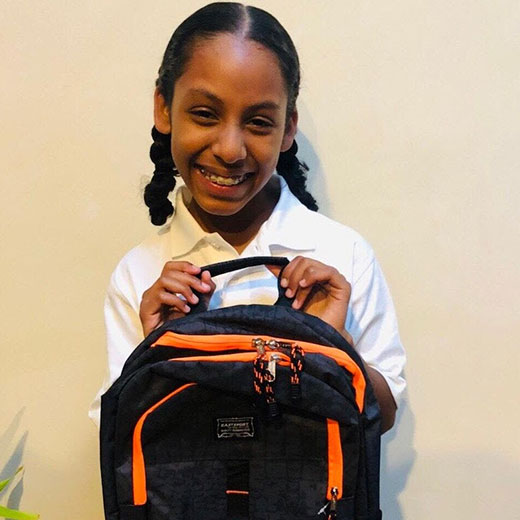
A backpack filled for the first day of school. Books for a classroom or shelter. Neighbors helped children begin with the everyday things learning requires.
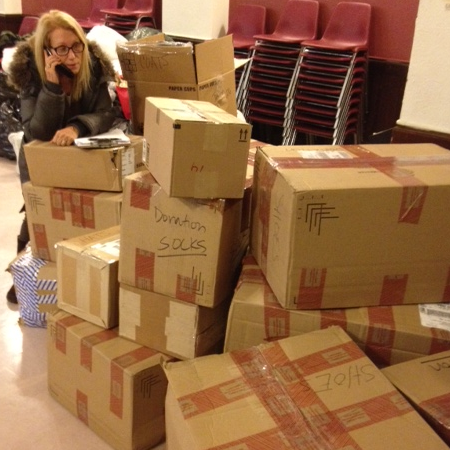
Clothing drives that connect the neighborhood with people facing a difficult winter.
Look up at the east side of the Park. The terra-cotta figures, cornice and projecting bays at No. 36 tell a story of ambitious architecture and painstaking repair.
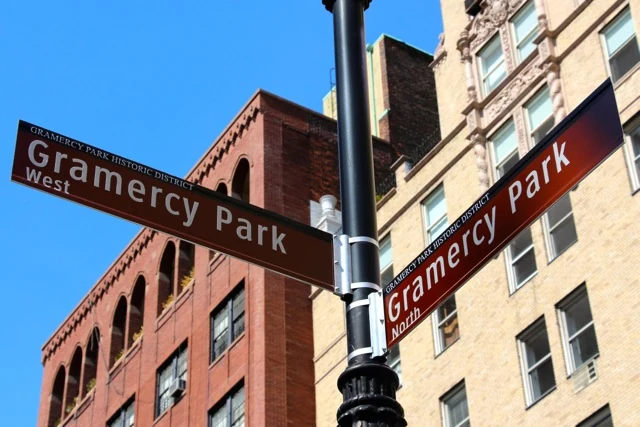
The neighborhood’s history appears even at the corner. New street signs made Gramercy’s historic-district identity part of an everyday walk.
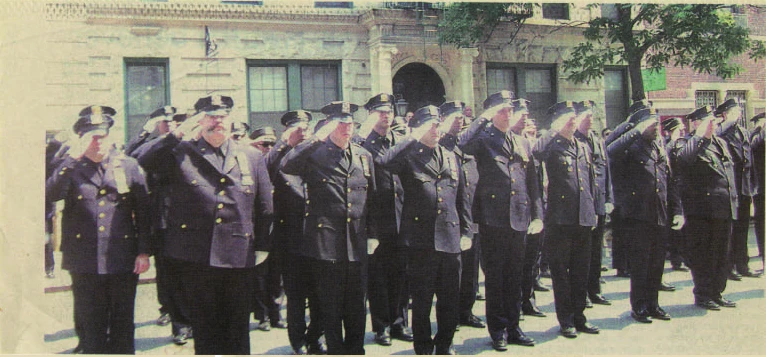
A memorial and a letter-writing partnership that connected Gramercy with service members and their families.
E-MEN: fellow officers’ memories, recorded for the families left behind.
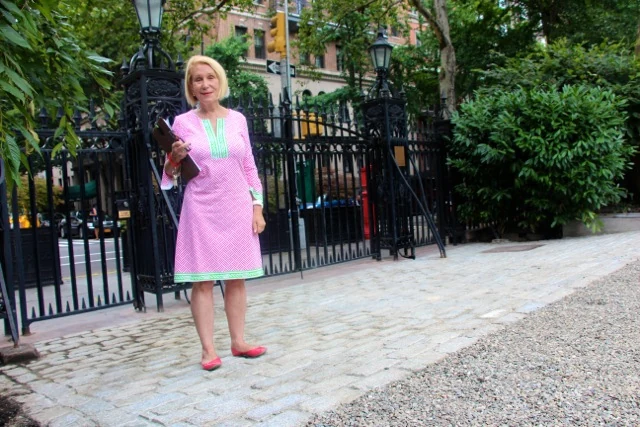
The iron fence is one of Gramercy’s most recognizable features. Its survival depends on skilled hands, careful repairs and repeated attention to the stone beneath it.
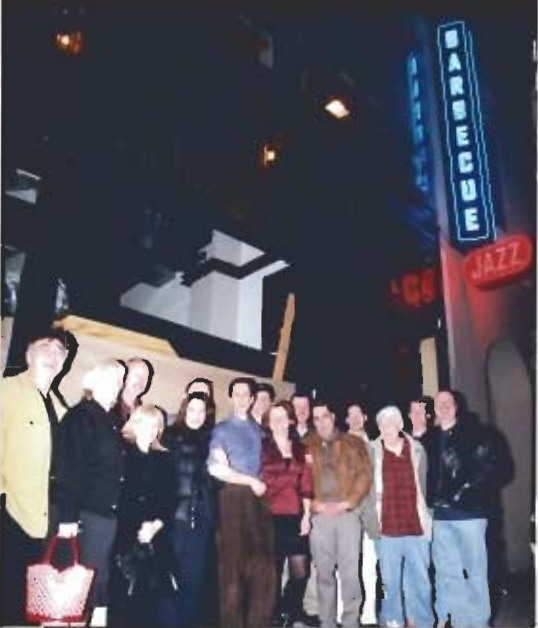
Jazz beneath St. George’s, literature and theatre brought people into a familiar institution for new reasons. The Gramercy Park Block Association helped neighbors discover what was happening there.
Water flows again at the fountain honoring Gramercy’s founder. Behind that familiar sight is a new chapter of careful work on an old garden.
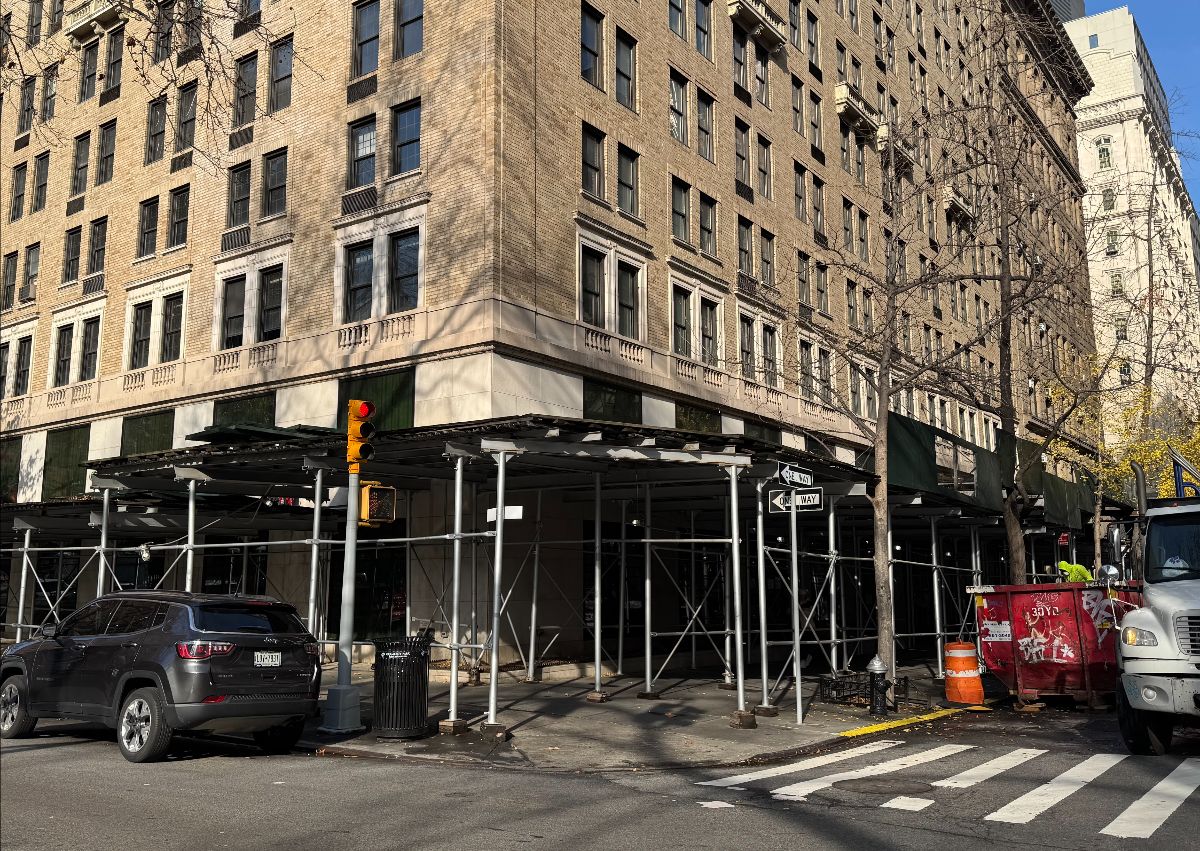
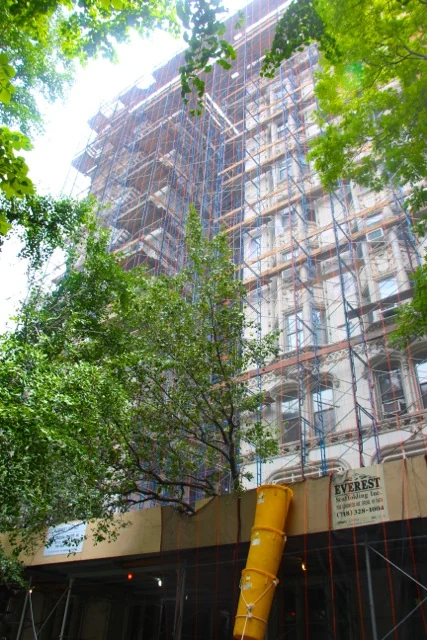
The parties made the house famous. Keeping it standing has required a different kind of attention—from structural repairs to questions about the scaffolding.
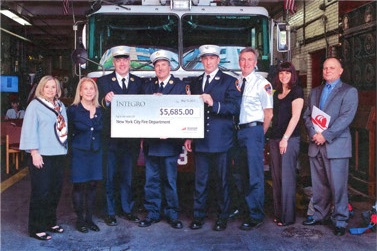
A training-equipment grant grew out of a neighborhood connection. Support for Ladder Company 3 joined practical help with an enduring bond of remembrance.
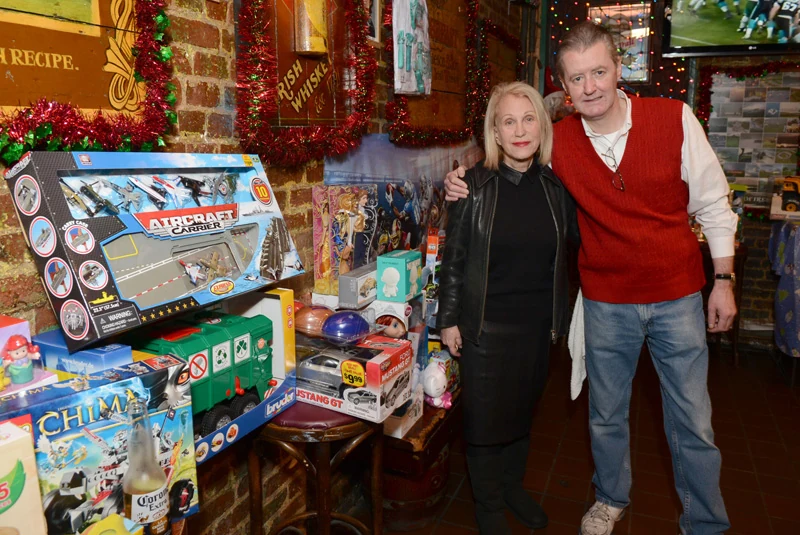
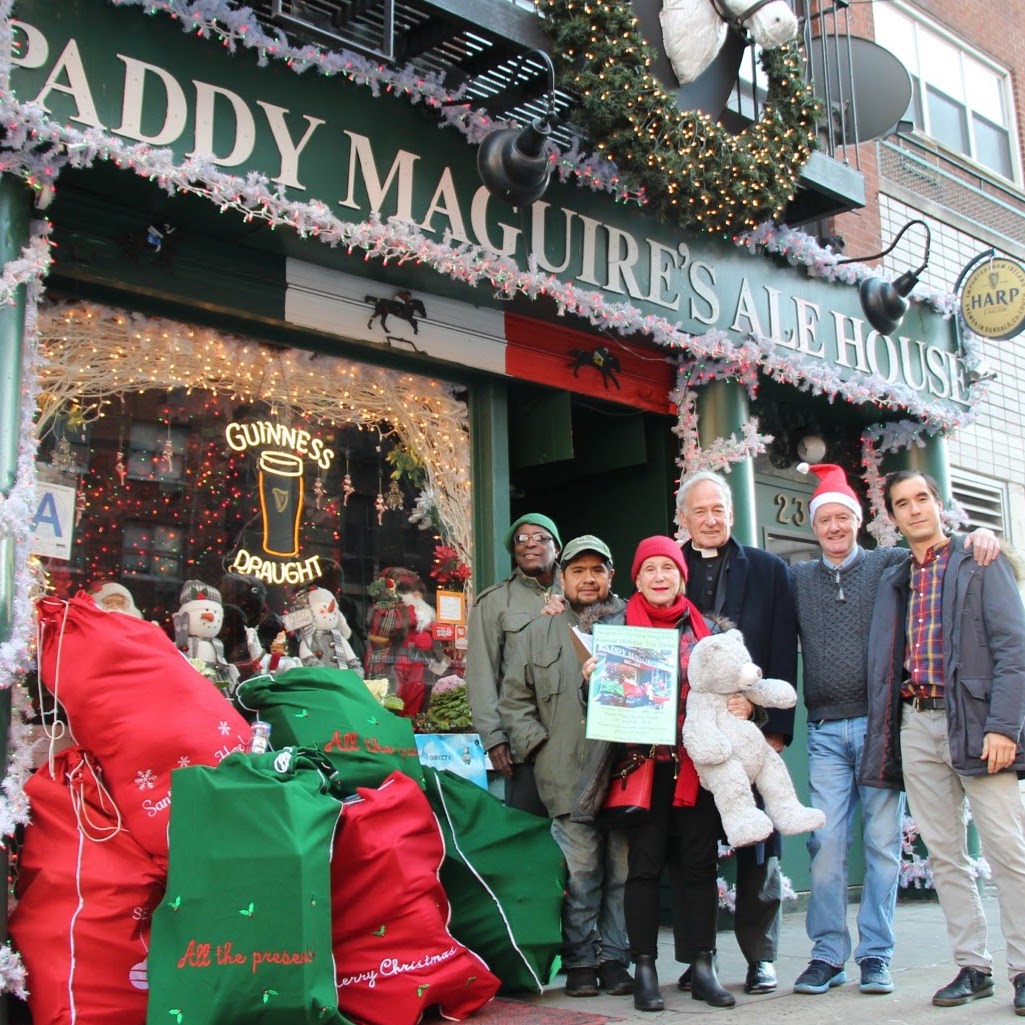
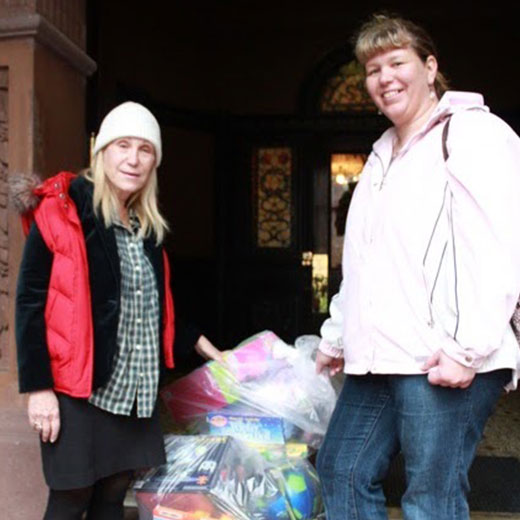
Paddy Maguire’s toy drive and the network that carried gifts to children and families across the city.
Meals, clothing and practical connections for neighbors who need support close to home.
Homemade pies reached caretakers and postal workers. Volunteers served meals to neighbors and officers on duty. Thanksgiving spread beyond the family table.
A donation of flowers became a way to thank the people and institutions caring for the neighborhood.
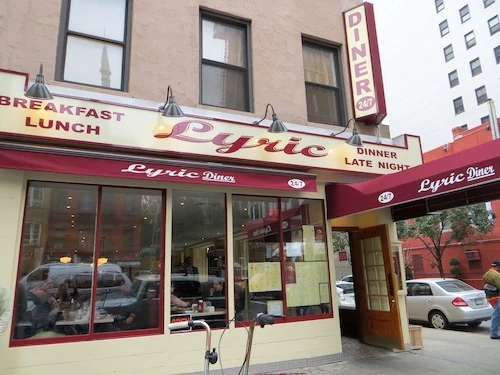
The future of a familiar diner space mattered to the people living nearby. Neighbors brought their questions directly to the prospective owners.
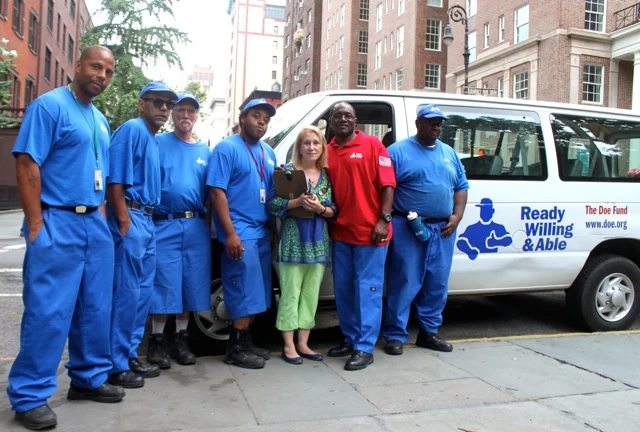
Neighbors’ appreciation for a street-cleaning crew became a campaign for its return in 2013.
Four dead crows prompted questions about the Park in August 2000. Neighbors and the Health Department worked together to investigate and share information.
A traffic light stood where work trucks needed to enter the Park. Moving it took persistence—and helped protect the historic fence from another collision.
The Tilden mansion’s richly worked facade deserved close attention. Neighbors brought research and preservation allies to a campaign for its care.
A school asked how its playground could be better. Conversations with neighbors and the Parks Department led to days of cleanup and planting.
Families, colleagues and neighbors made room to remember together. Repeated gatherings sustained personal bonds long after the first days of loss.
A proposed sanitation garage raised questions well beyond its own site. Gramercy neighbors joined a wider East Side campaign to make their concerns heard.
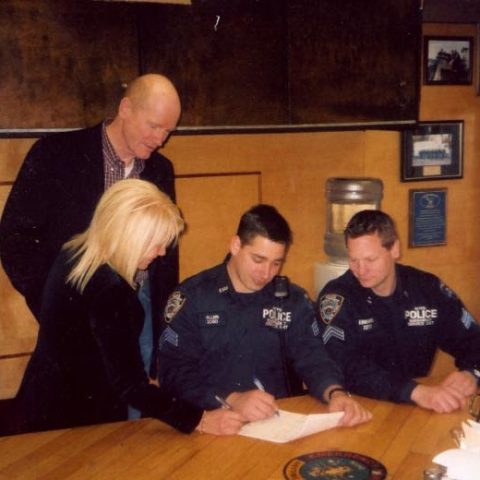
A name on East 21st Street remembers an officer neighbors knew for his warmth. Anthony Sanchez’s story lives in both the street sign and the people who gathered to honor him.
Concerns on Third Avenue called for a conversation among the clinic, police and neighbors. The Gramercy Park Block Association helped bring those different responsibilities together.
Holiday toys, clothing and a direct gift connected Gramercy neighbors with women and children at Fox House. Repeated help grew into a relationship.
Holiday toys carried a gesture of care to families facing difficult circumstances. Neighborhood giving helped support the people served by STEPS.
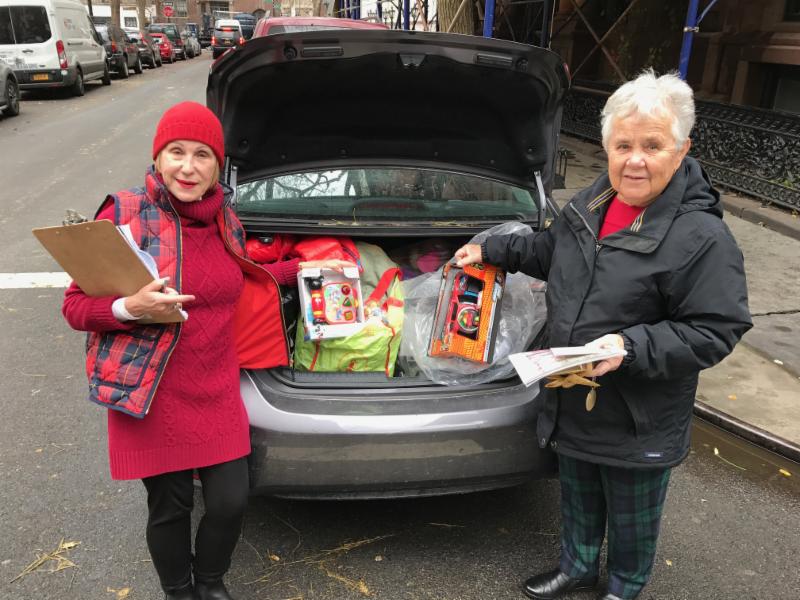
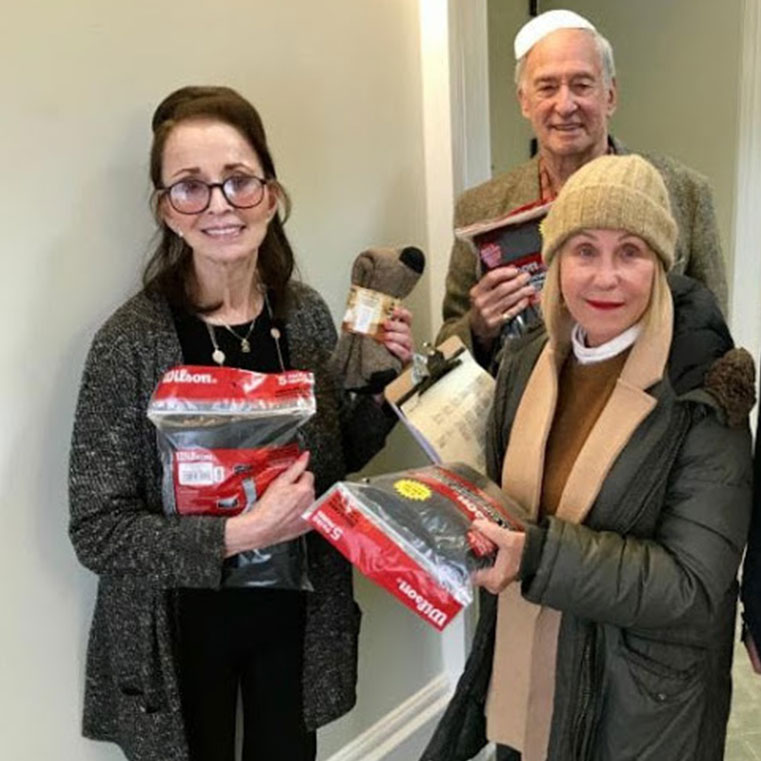
Hats, gloves and scarves traveled a short distance from neighbors’ homes to the Brotherhood shelter, where they could make a cold day easier.
After the Pittsburgh synagogue attack, neighbors gathered around Brotherhood. Remembrance and practical support expressed a simple commitment to one another.
A holiday shift, a return from a rescue mission, a hard day’s work: neighbors and local restaurants found a personal way to say thank you around the table.
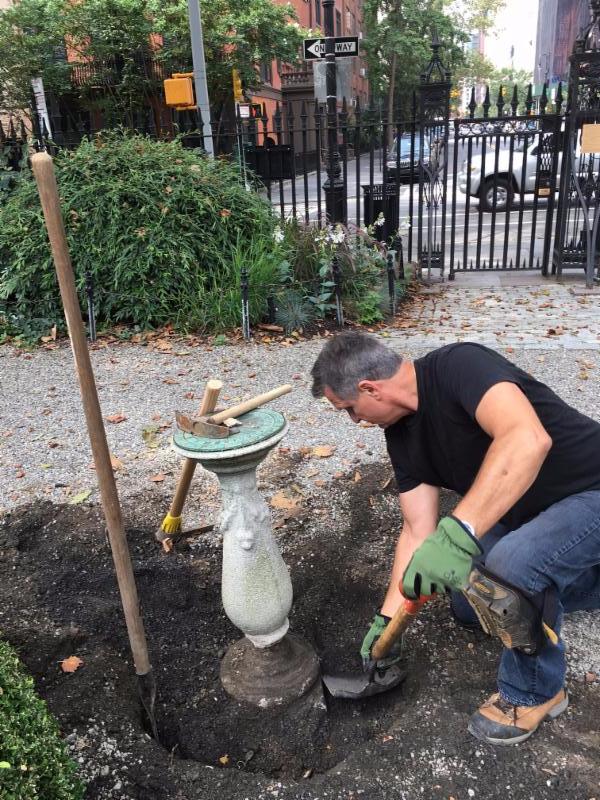
A gift from the National Arts Club had slowly sunk into the gravel. Restoring the sundial meant recovering a small but telling detail of the garden.
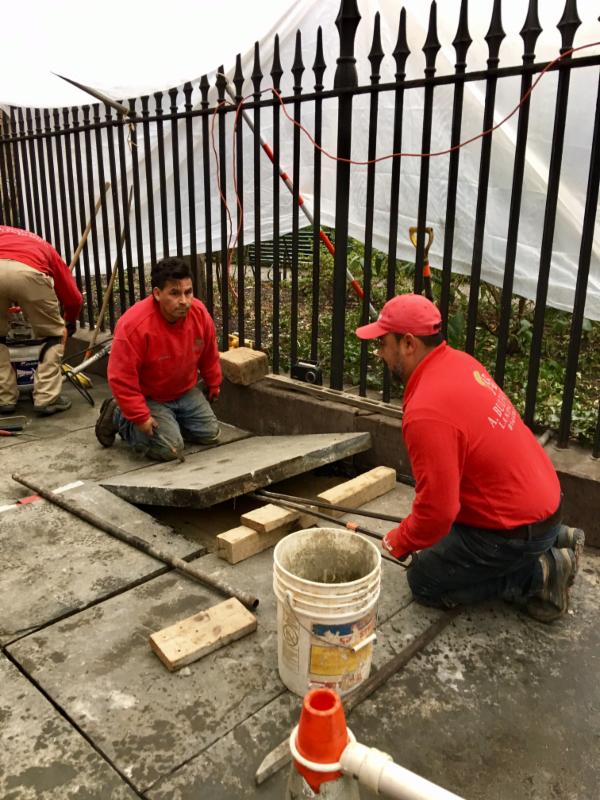
Underfoot, the landscape keeps moving. Growing roots shifted the Park’s bluestone, calling for careful repairs that balanced a walkable sidewalk with living trees.
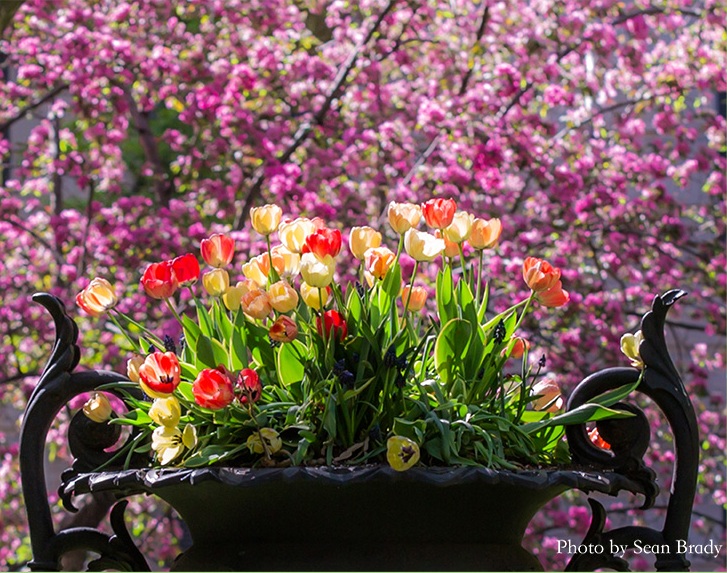
Spring’s flowers begin with autumn’s work. Bulbs, mulch and winter preparation carry the garden through its quieter months.
Amando Flores once watered the Park by hand. Improved irrigation changed the daily work behind a garden that can appear effortlessly green.
The Boag family helped bring Christmas trees to Gramercy for more than forty years. Even after the decorations came down, the branches had work to do.
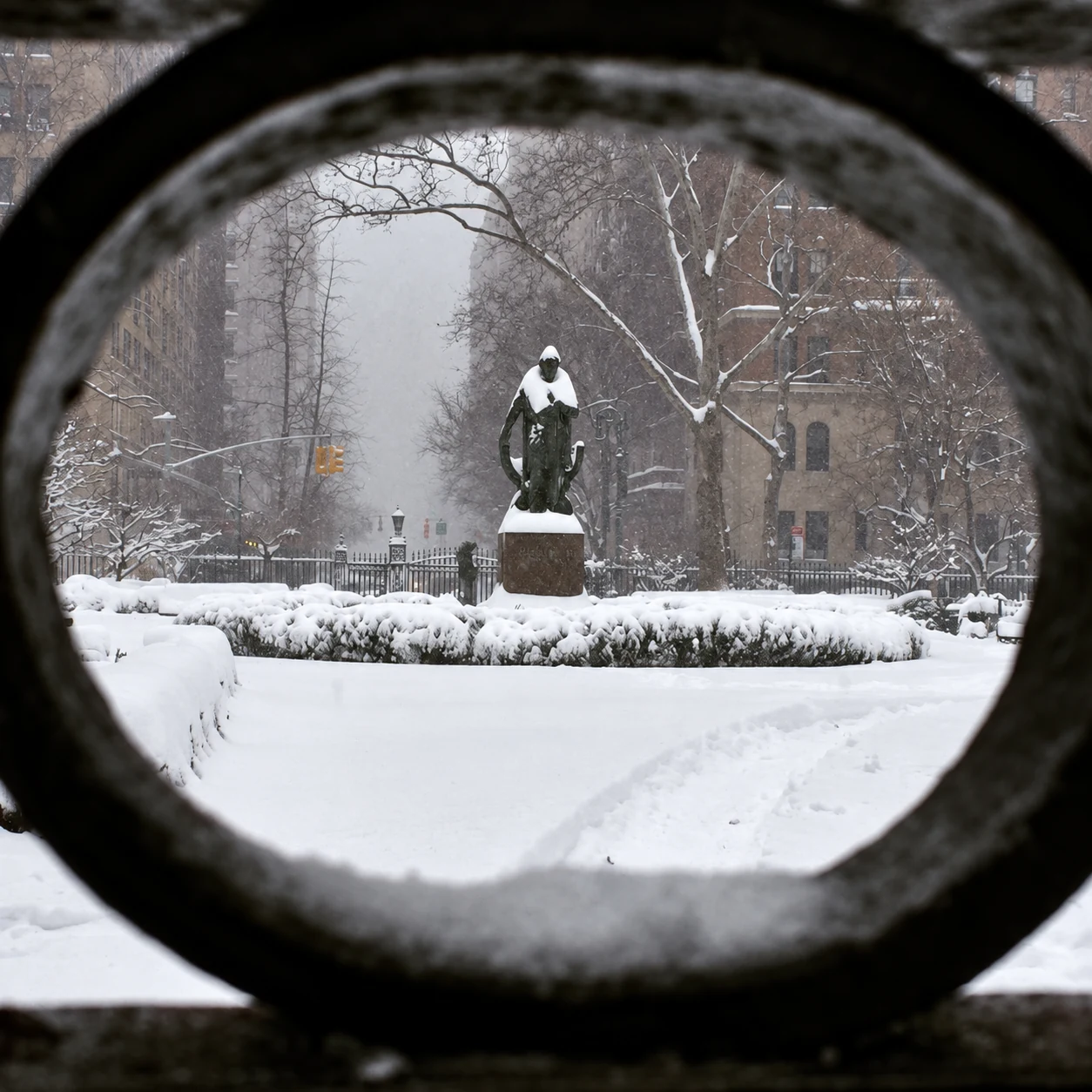
Neighbors’ photographs of the Park in snow, in spring and from their windows, collected from the newsletters of 2014–2018.
Protecting one building can call for allies across the city. Gramercy’s preservation work found a wider voice through the Historic Districts Council.
Small gardens make a continuous ribbon around the Park. Their fences, cobblestones and seasonal planting show how much care can fit into a few feet of sidewalk.
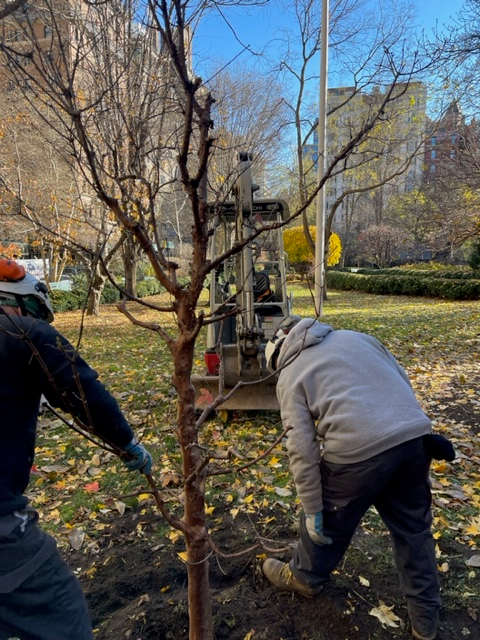
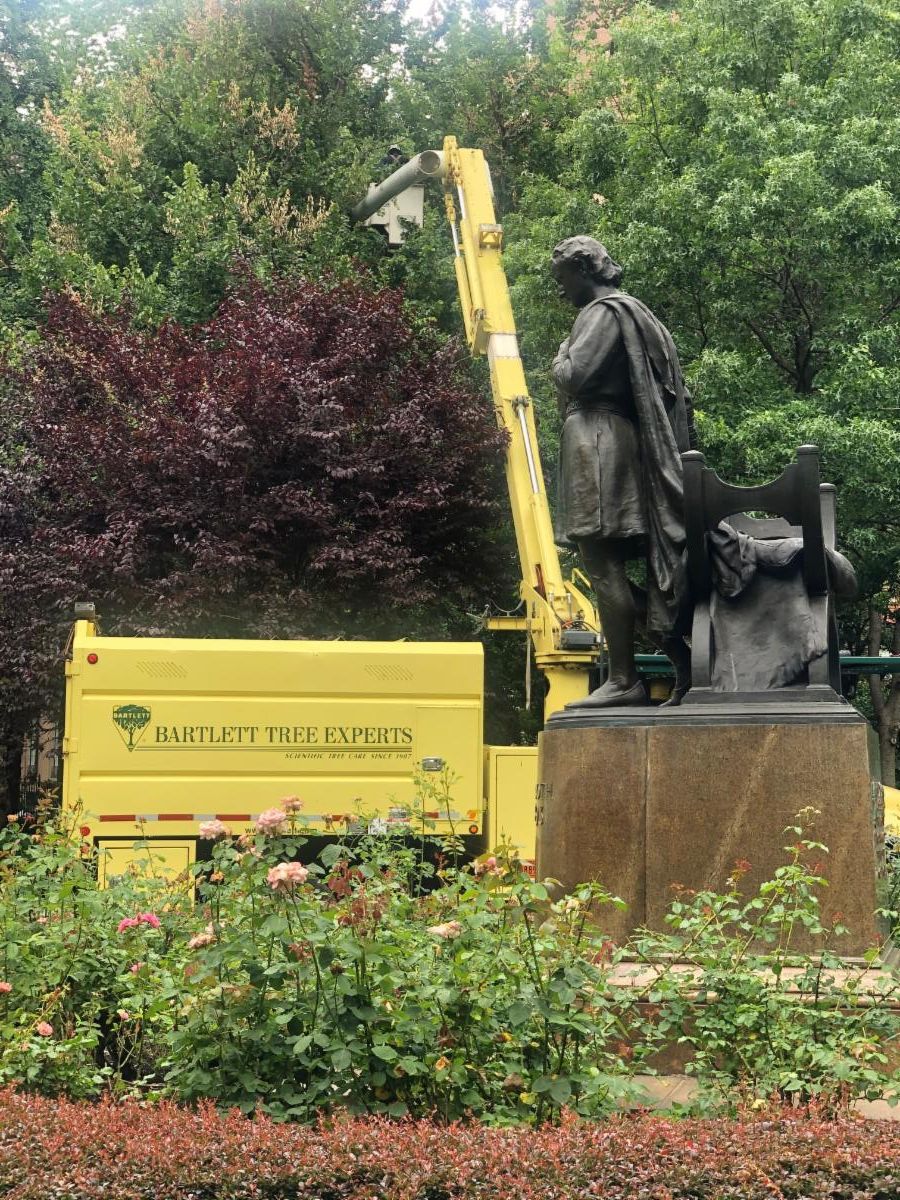
The canopy we admire from below depends on work we rarely see: inspecting branches, tending roots and making room for light.
The Park’s four central beds have changed with the seasons—and with new ideas about what will grow well. Their story is one of observation, experiment and patient adjustment.
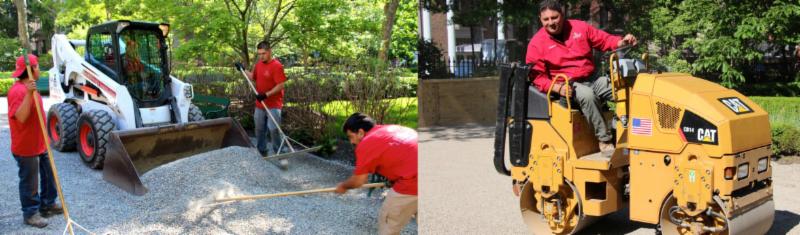
A walk through the Park rests on careful work beneath your feet. Replacing the gravel meant thinking about color, drainage and the way the paths are used.
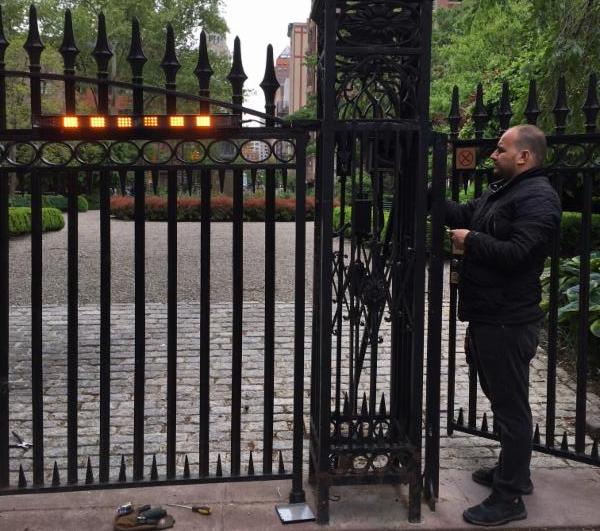
After a taxi struck the Park fence, hazard lights added a practical layer of protection. Keeping them working became part of caring for the historic gates.
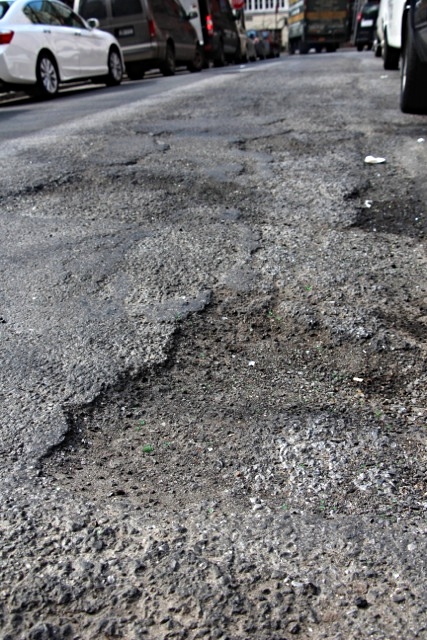
Potholes turned everyday journeys into a problem worth pursuing. Repeated calls and follow-up helped keep the surrounding streets on the City’s agenda.
People who walk a corner every day notice where it fails them. Neighbors’ observations helped shape conversations about safer crossings around the Park.
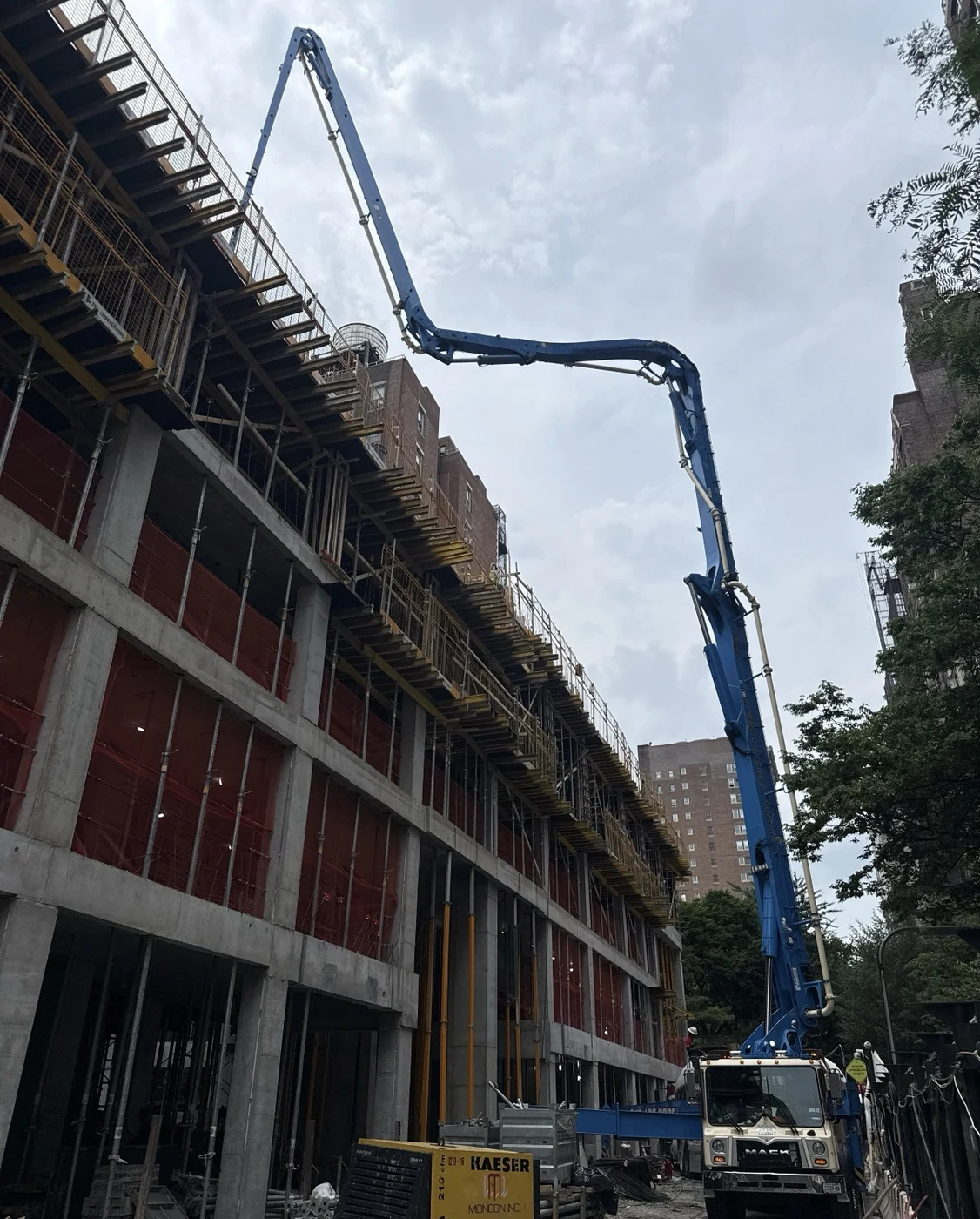
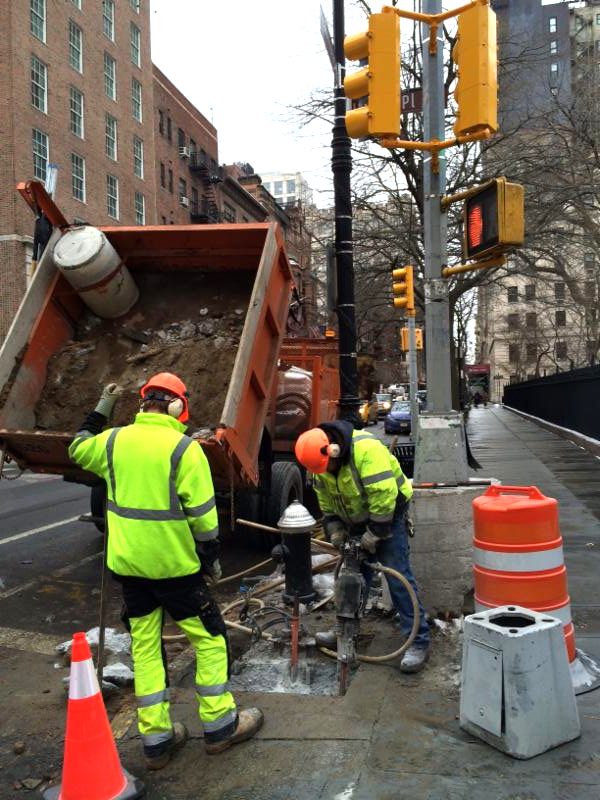
Evening jackhammering left neighbors asking what was happening. A direct explanation from the utility helped make sense of a disruptive cable-replacement project.
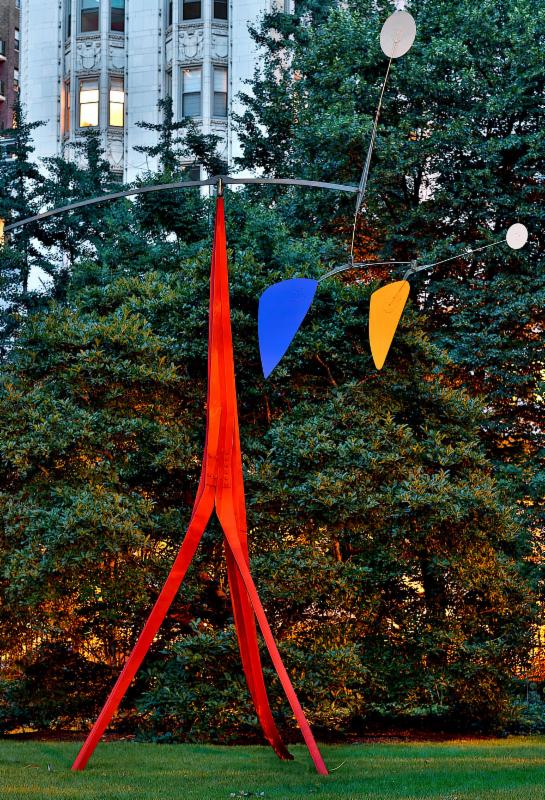
For a time, a Calder sculpture changed the view through the trees. Janey Waney’s travels reveal a garden whose artistic life has never stood still.
The Block Association’s concern for the survival of a defining cultural institution.
For a few summer Saturdays, traffic gave way to walking, cycling and play. A neighborhood notice invited residents to experience the City’s streets differently.
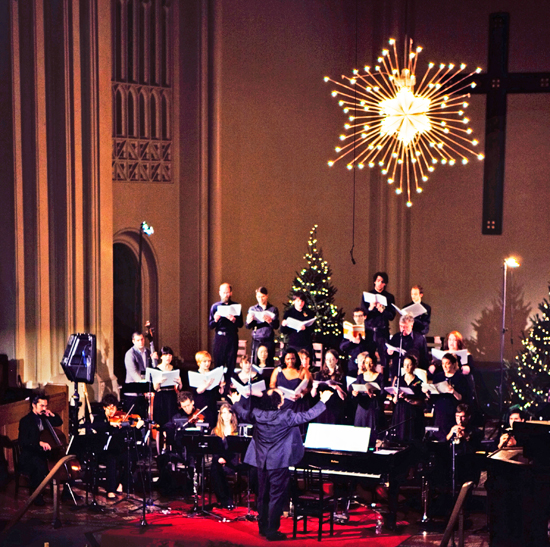
Music and community at St. George’s annual Candlelight Service.
Bill Cunningham returned to Gramercy with an eye for its everyday stories. His photographs and film noticed the people whose work helped give the Park its character.
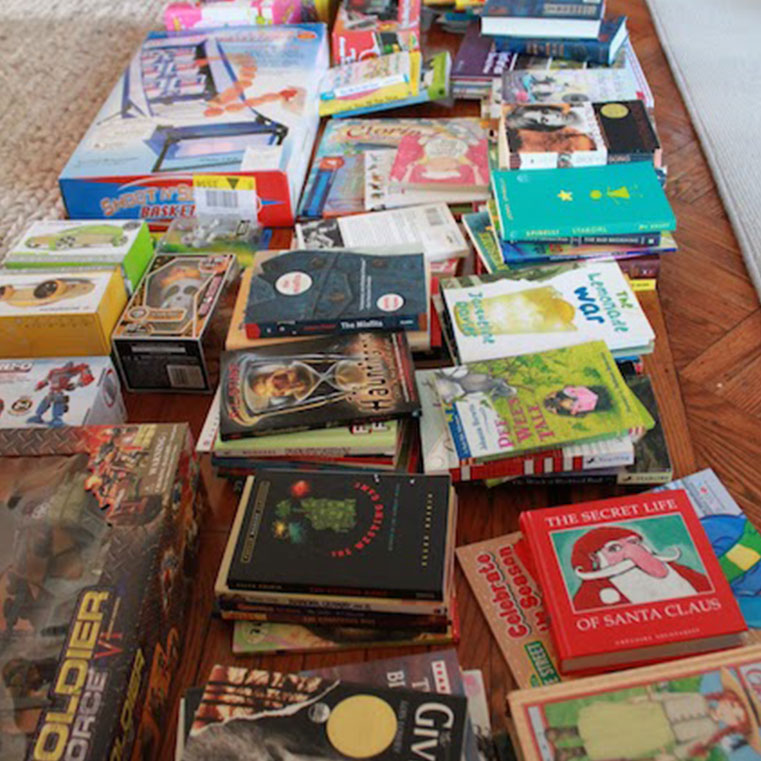
Books outgrown in one household could start a new chapter in a classroom. A collection at Brotherhood Synagogue connected neighborhood families with students across the city.
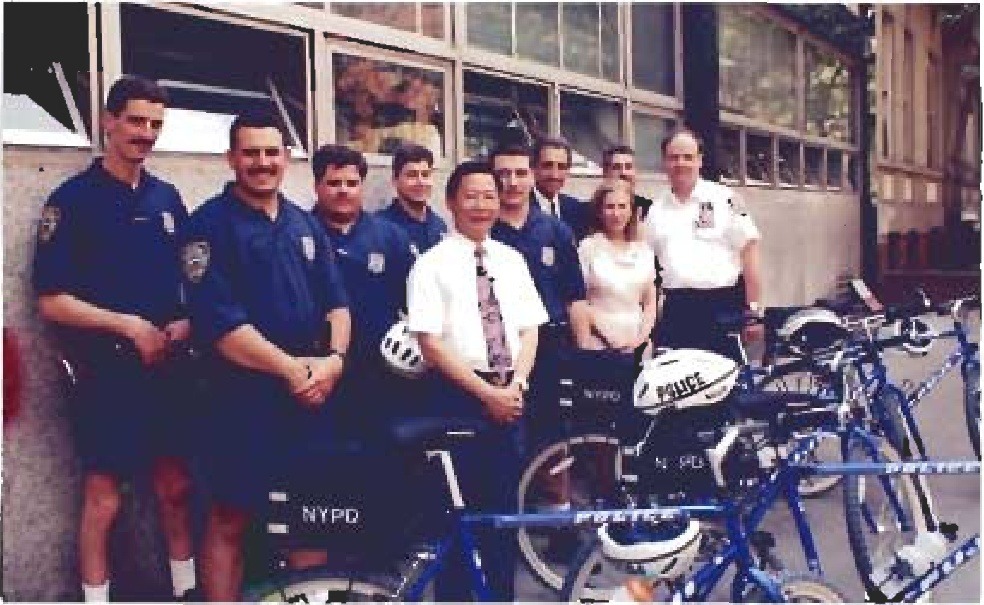
A bicycle patrol, a child’s stationhouse visit, a community fair: everyday encounters helped neighbors and officers get to know one another.
Retirements and tributes gave neighbors a chance to thank officers they had come to know. The milestones became part of a relationship built over years.
A broken light, a conversation with a doorman, a problem passed to the right person. The Gramercy Park Block Association’s early network grew from paying attention to the street.
For Tom Pike, caring for a congregation and caring for historic places became parts of the same neighborhood life.
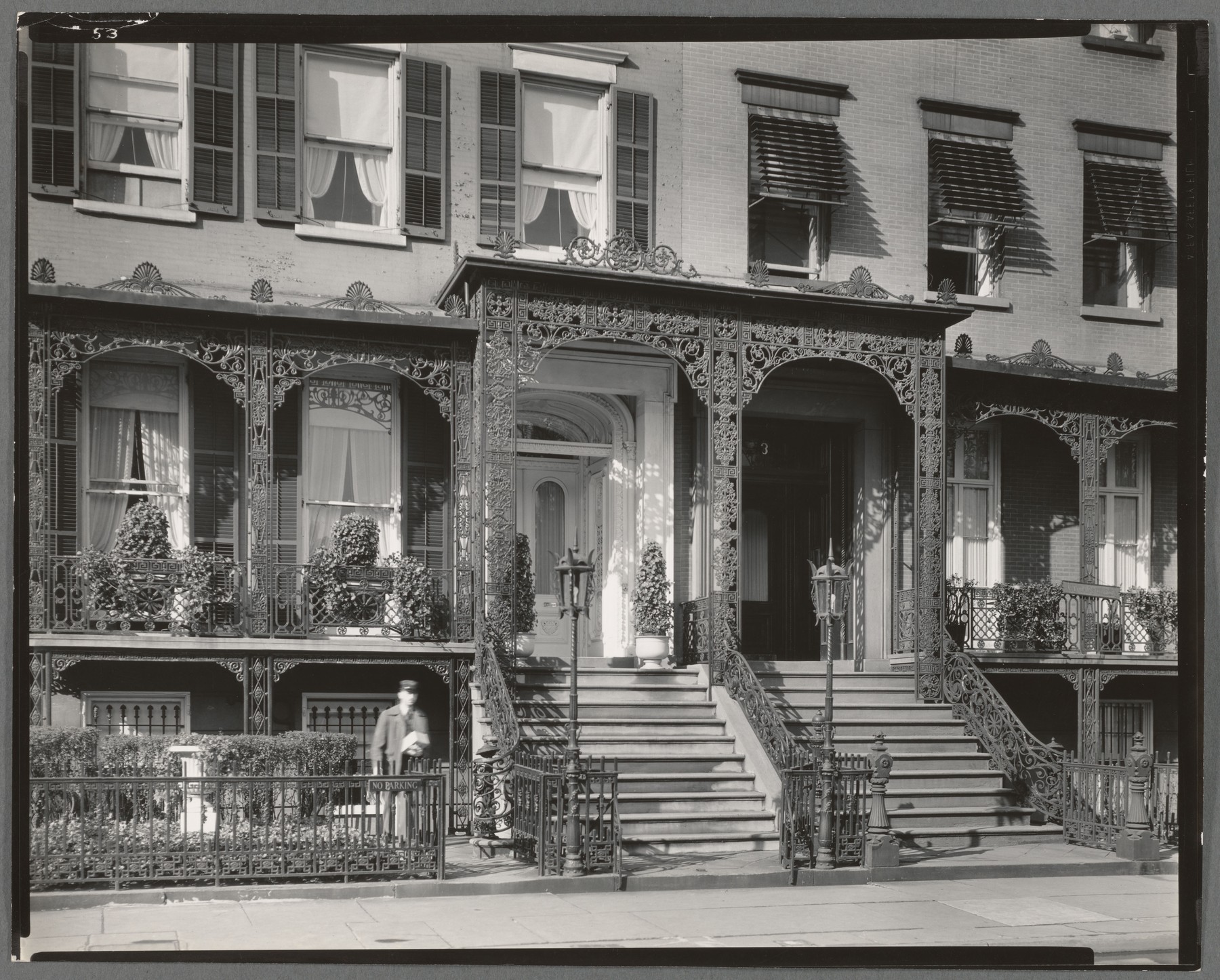
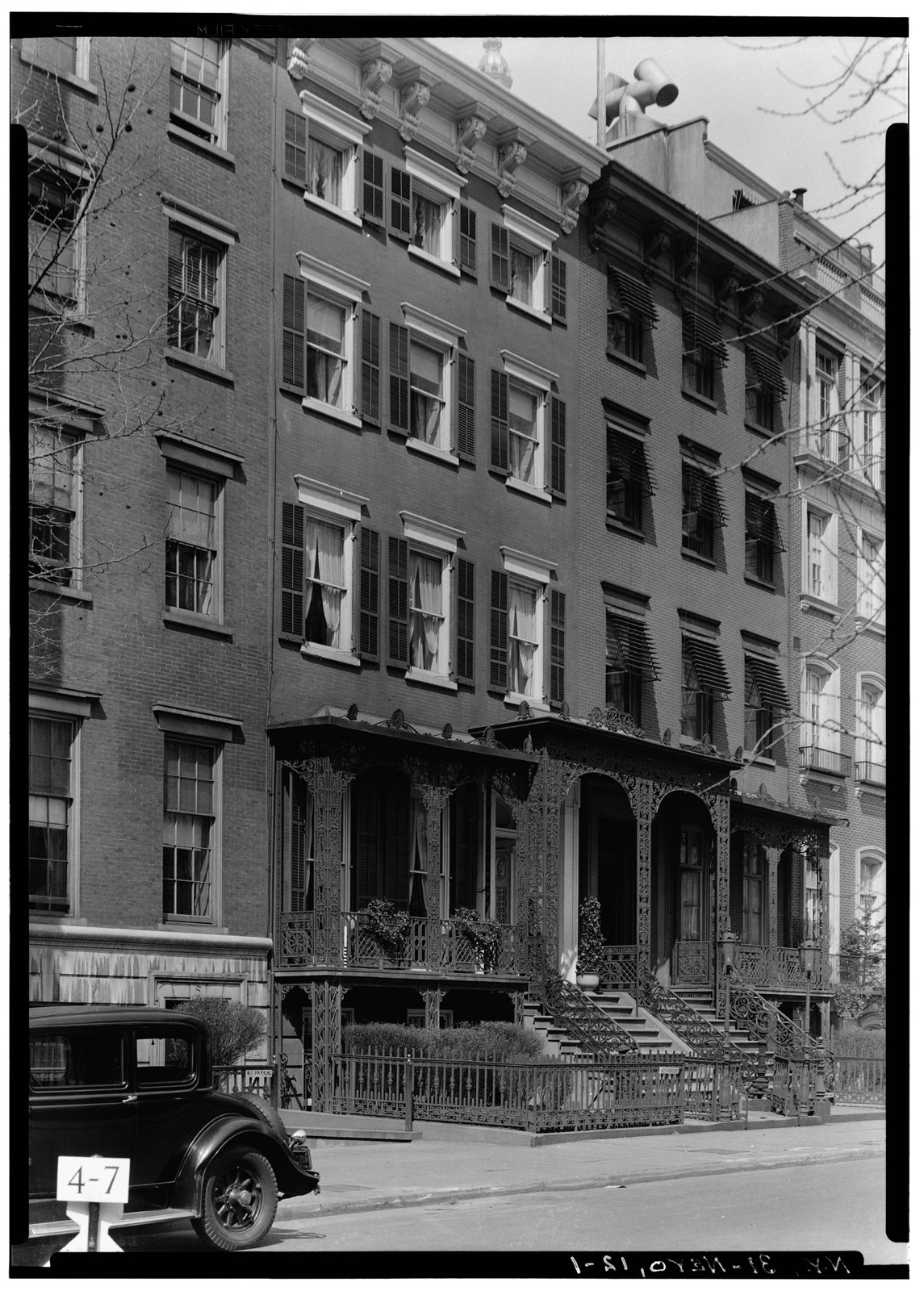
Two houses share one of Gramercy’s loveliest details: connected cast-iron porches. Look closely and an everyday view opens onto the neighborhood’s nineteenth-century life.
Bags of supplies filled a neighborhood collection point, then headed to storm-struck communities. Each delivery changed what was needed next.
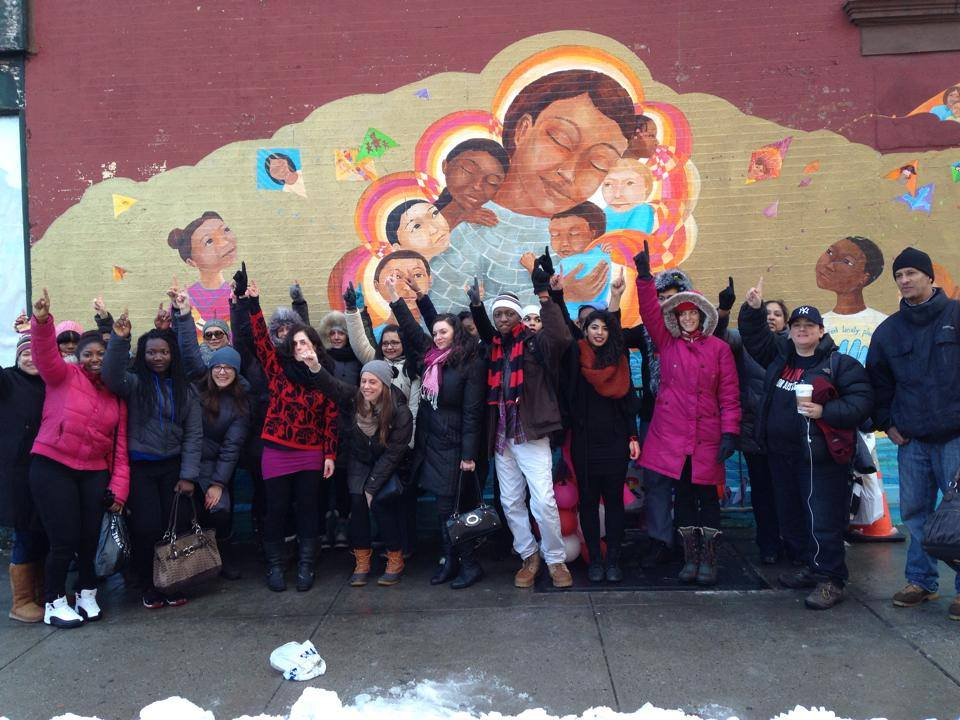
Winter clothing, books and practical supplies reached a Lower East Side daycare community.
Repeated crashes made a familiar corner a neighborhood concern. A change in signal timing followed sustained conversations with the people responsible for the streets.
Brighter streetlights, children’s safety programs and a direct line to local officers: the young Gramercy Park Block Association began by making neighbors easier to hear.
For someone serving far from home, a letter could make the distance feel smaller. A Gramercy neighbor brought students and residents into that exchange.
A can of food was a simple way to join a young neighbor’s project. Tom Weinlandt’s Eagle Scout collection connected Epiphany with City Harvest.
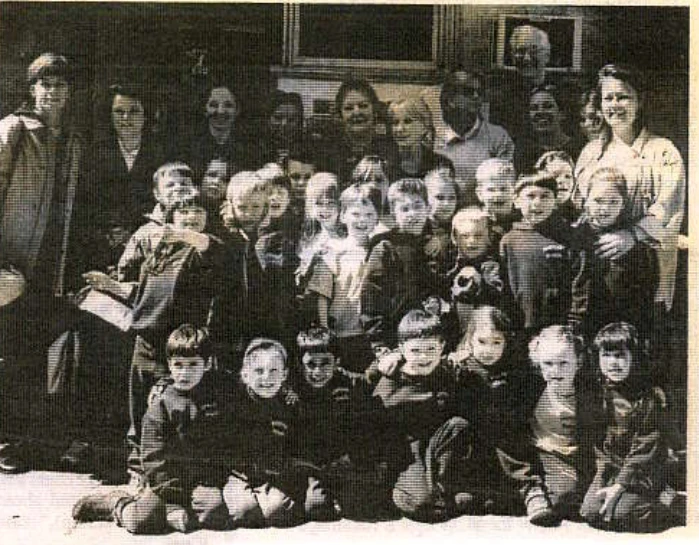
Children planted bulbs in Stuyvesant Park and looked forward to seeing them bloom. The planting gave children a way to care for a shared place.
Emergency supplies met the first need. Helping families furnish replacement homes became the next chapter of Gramercy’s Hurricane Katrina relief effort.
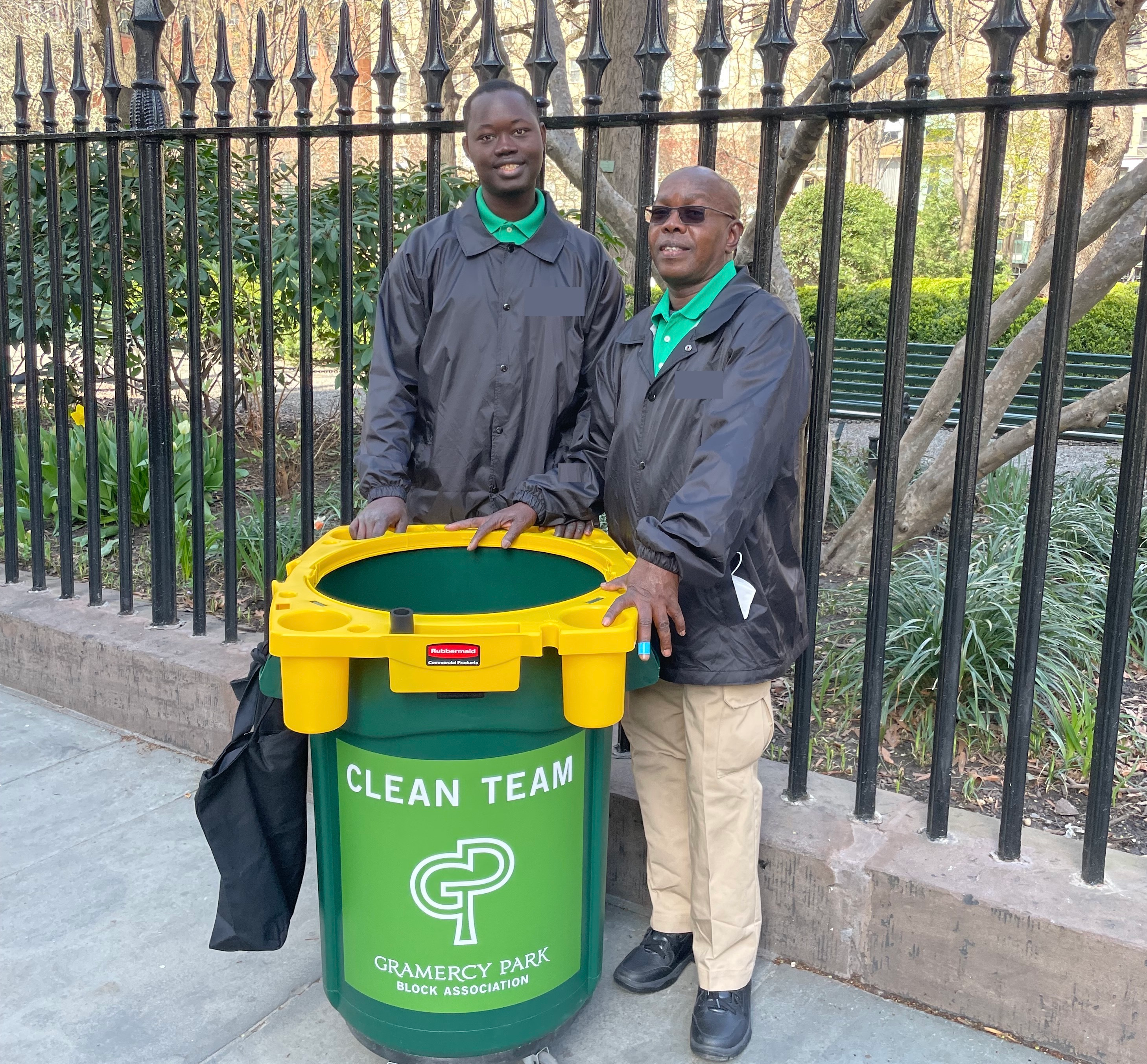
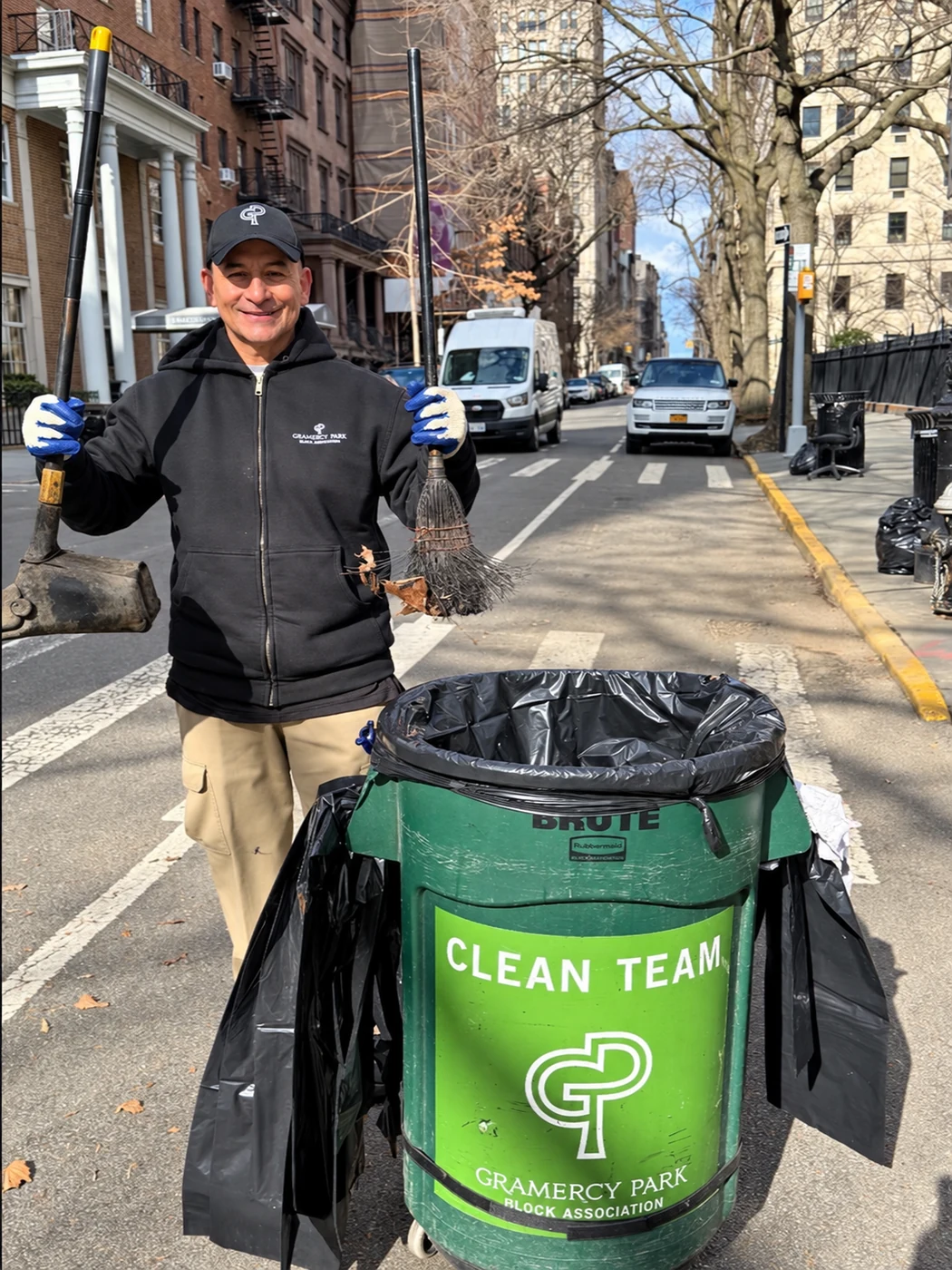
A good morning and a clean sidewalk go together. Meet Mamadou Tall and Saliou Diop, introduced to neighbors as the people behind Clean Streets in 2022.
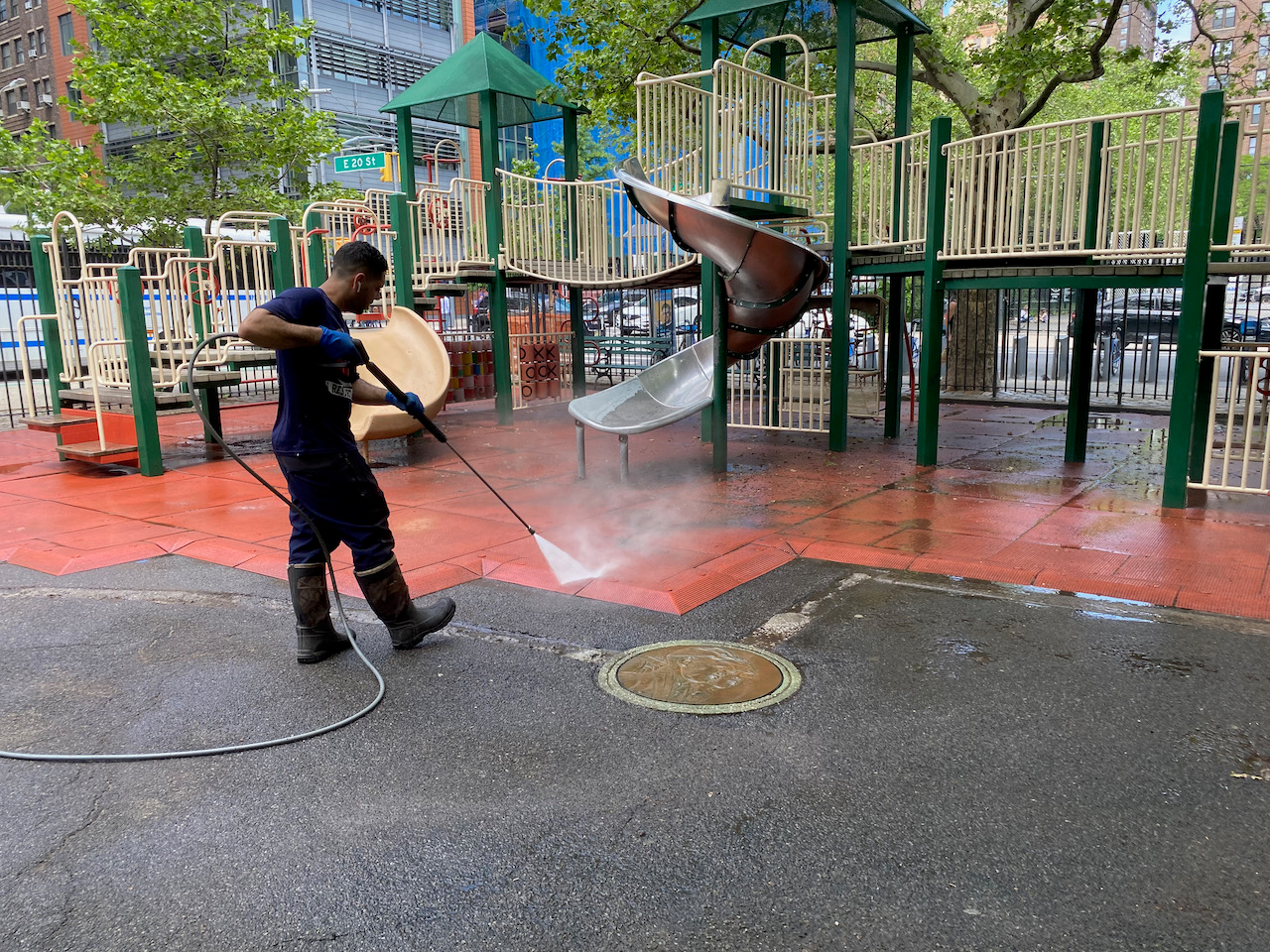
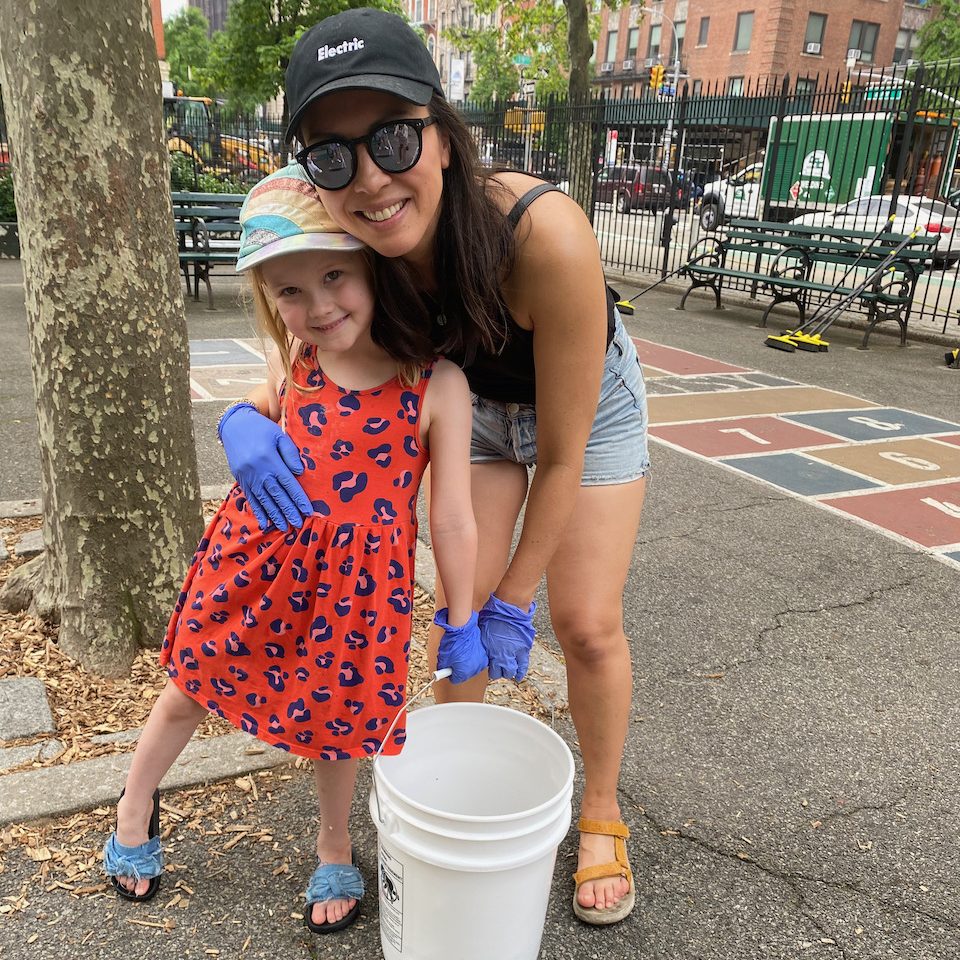
Families came together to clean the place where their children played. A morning of shared work refreshed St. Gaudens Playground in May 2022.
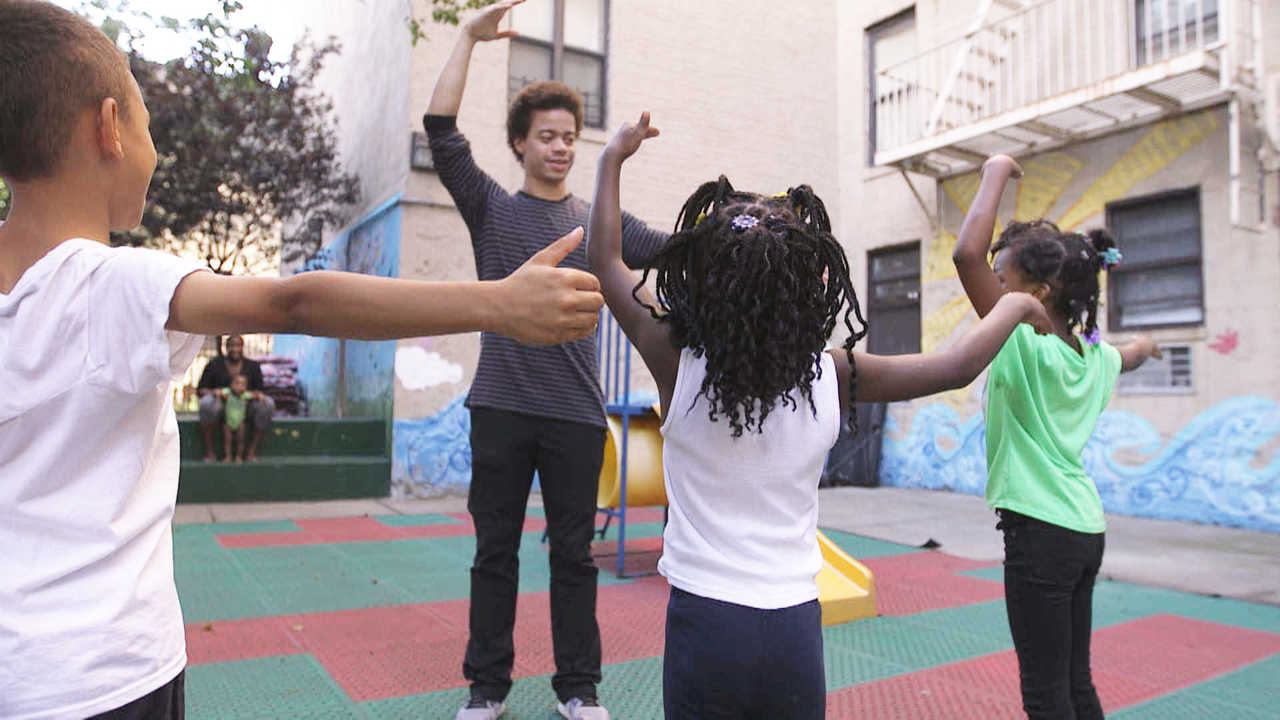
The 2022 documentary LIFT gave audiences a closer view of a ballet program Gramercy neighbors had supported for decades.
Longer service hours, freshly painted fixtures and the repeated work behind a cared-for streetscape in 2025.
An anonymous gift helped the Gramercy Park Block Association arrange a new fence and planting for the tree garden outside the historic clubhouse.
After September 11, the Brieschke brothers helped turn an outpouring of supplies into a lasting gesture of friendship.
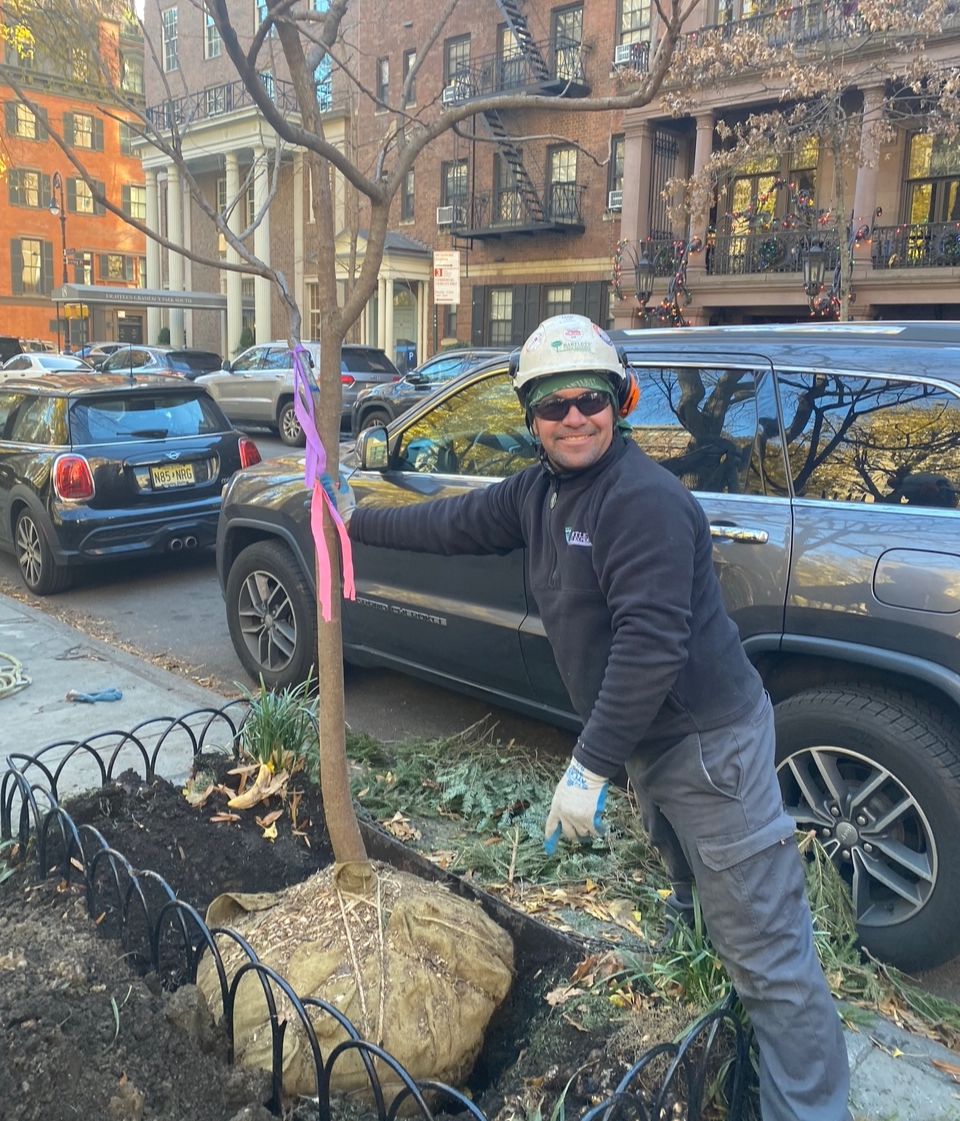
An empty tree garden is an opportunity and a responsibility. Choosing its next tree means imagining the canopy neighbors will walk beneath in years to come.
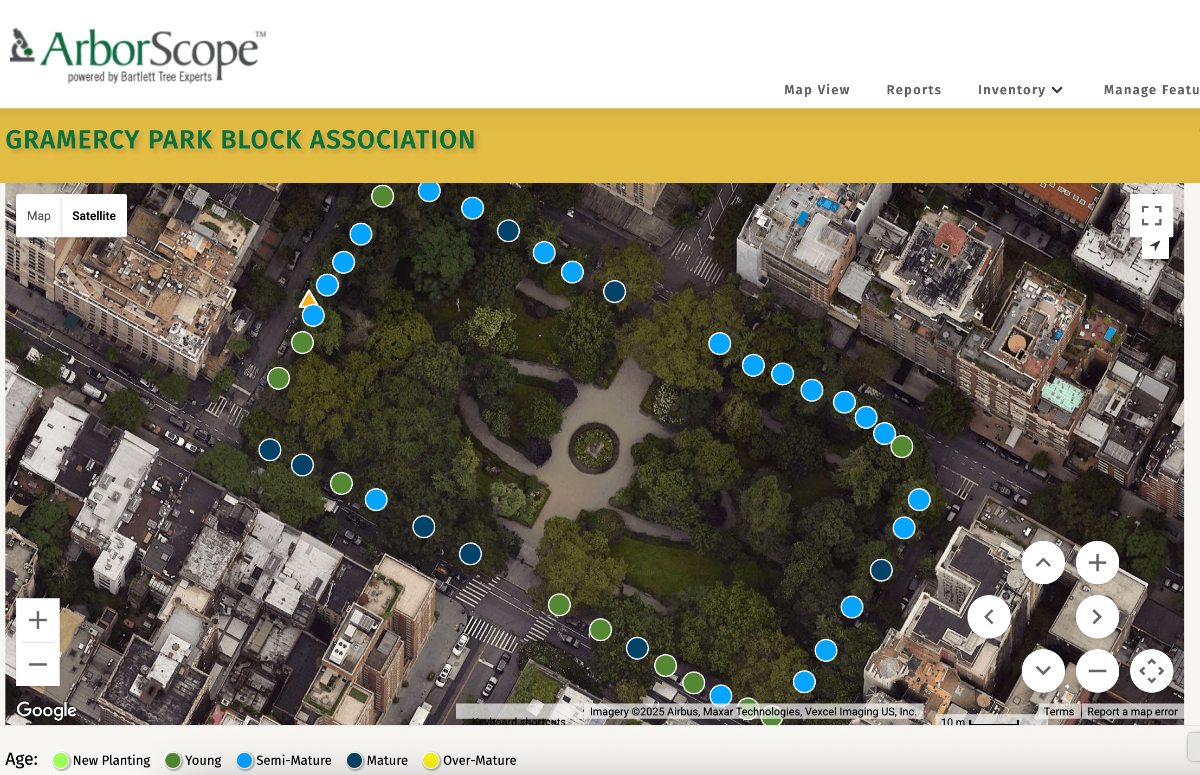
A tree’s brass tag opens a more detailed story: its species, growing conditions and the care it needs. Mapping all 41 made that attention personal.
Concern for a block includes concern for the people sleeping on it. A neighborhood letter connected residents with organizations offering outreach and help.
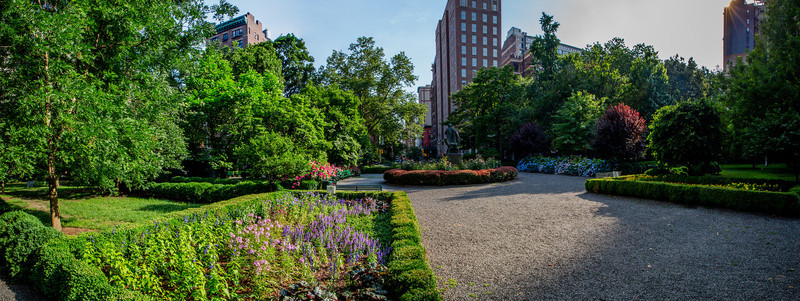
Before the flowers take the stage, crews prune, mulch, clear and reseed. Spring in Gramercy begins with work that is easy to overlook.
For Arlene Harrison, the garden and the homes around it belong to one story. Her 2023 conversation at the National Arts Club asks what it takes to protect both.
When ordinary routines disappeared, familiar relationships mattered more. Meals, protective equipment and computers helped neighbors meet the immediate needs of 2020.
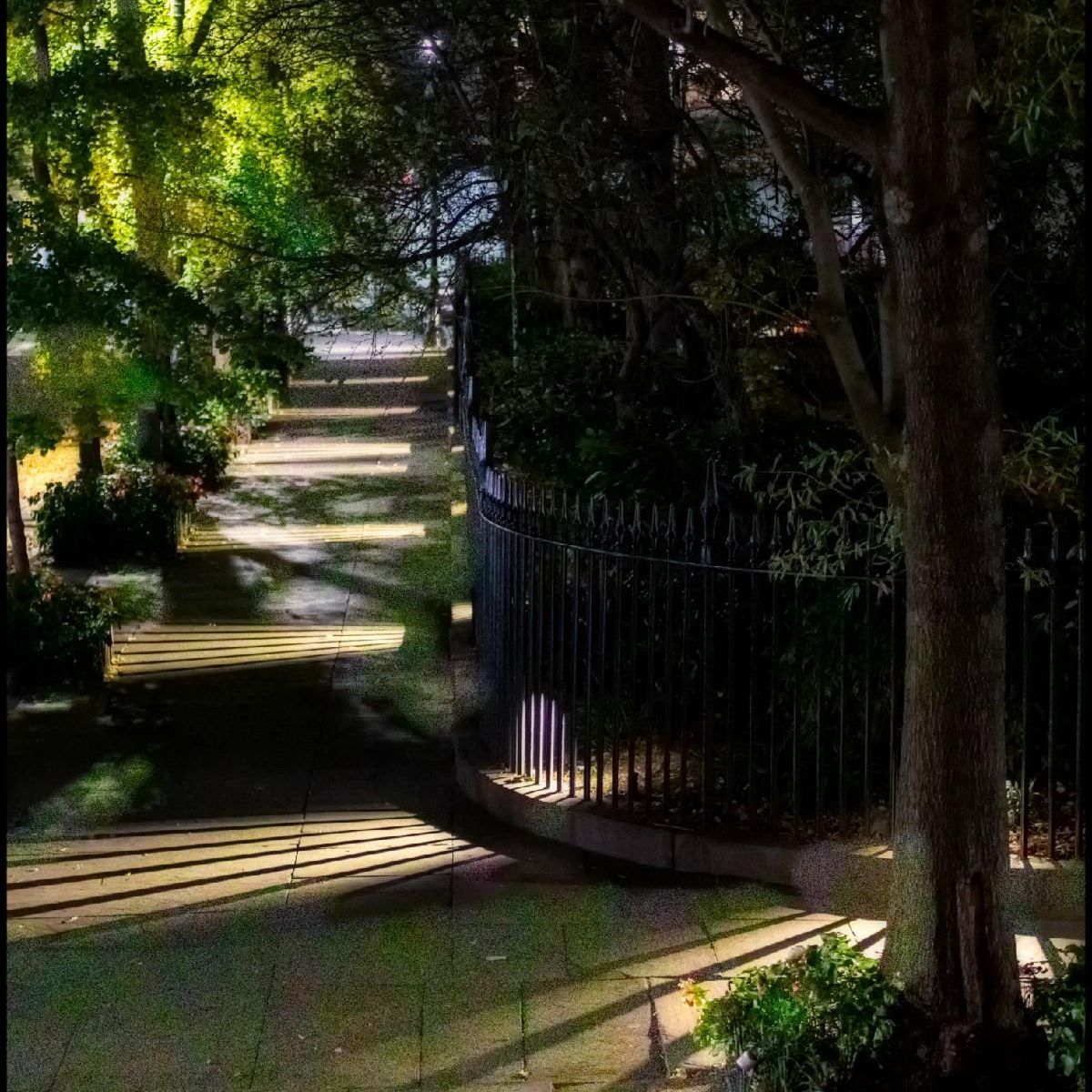
Forty-six new lights changed the evening walk around the Park. For Arlene Harrison, better lighting also carried a deeply personal meaning.
The view through the fence depends on what grows just inside it. Moving and adding plants gave the Park’s perimeter a more coherent setting.
When Sandy took two large street trees, it left a gap in a familiar view. Replanting began the long work of restoring that stretch of canopy.
A family’s wish list made holiday giving personal. Through Epiphany Church, neighbors could choose the things someone had actually asked for.
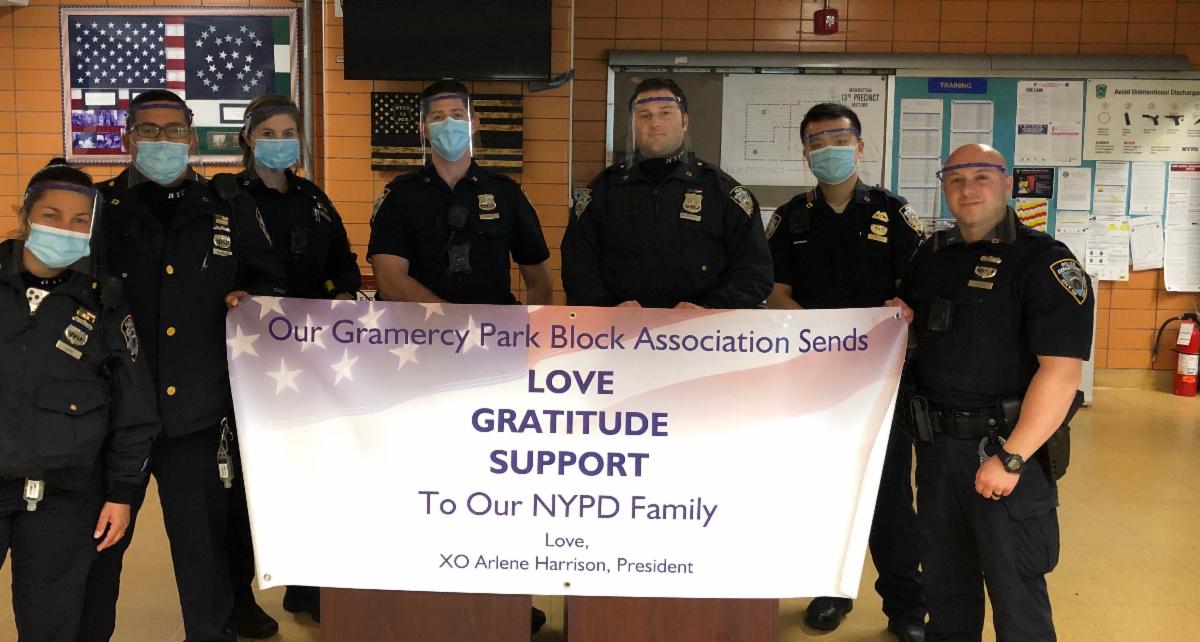
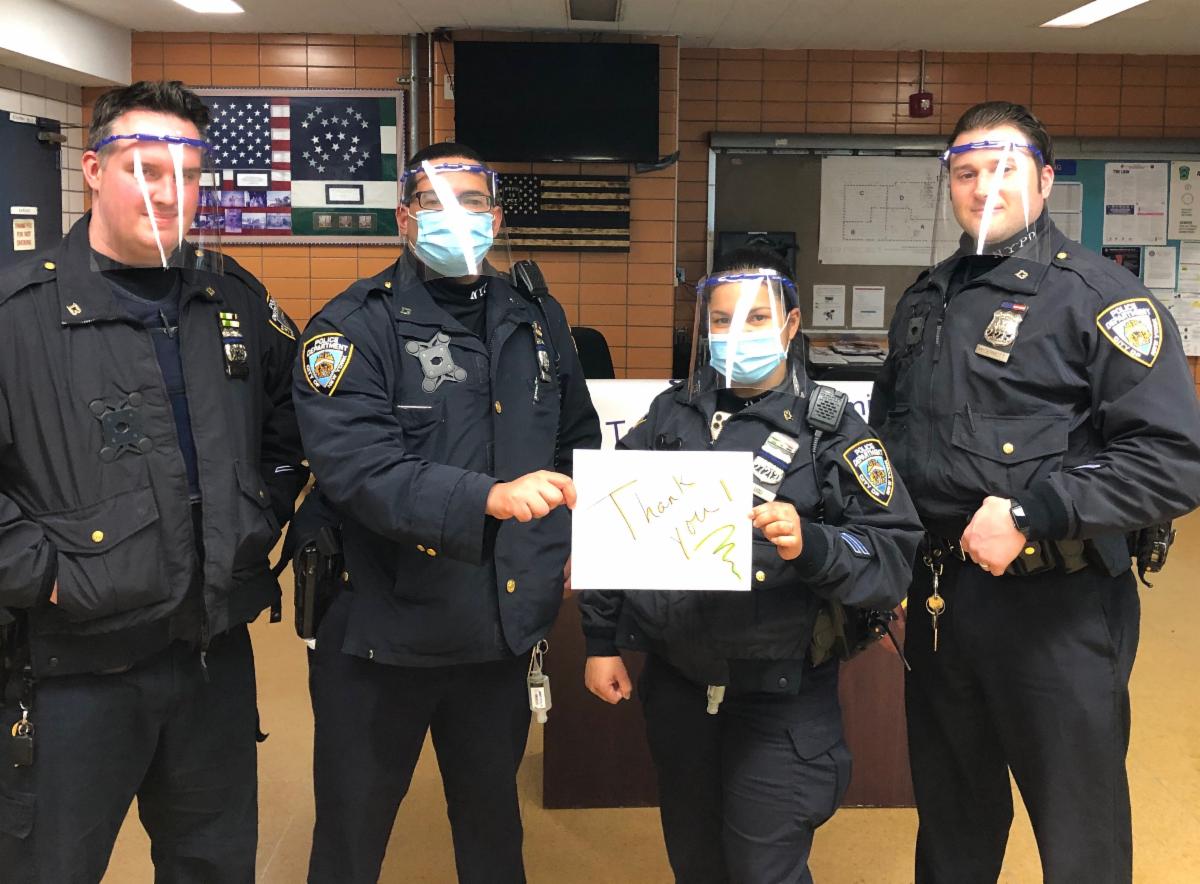
In the first pandemic spring, a neighbor’s volunteer network helped bring protective equipment to local officers. Familiar relationships made an urgent delivery possible.
A storm can change a garden in a few hours. Assessing damaged trees and clearing the paths began the slower work of recovery.
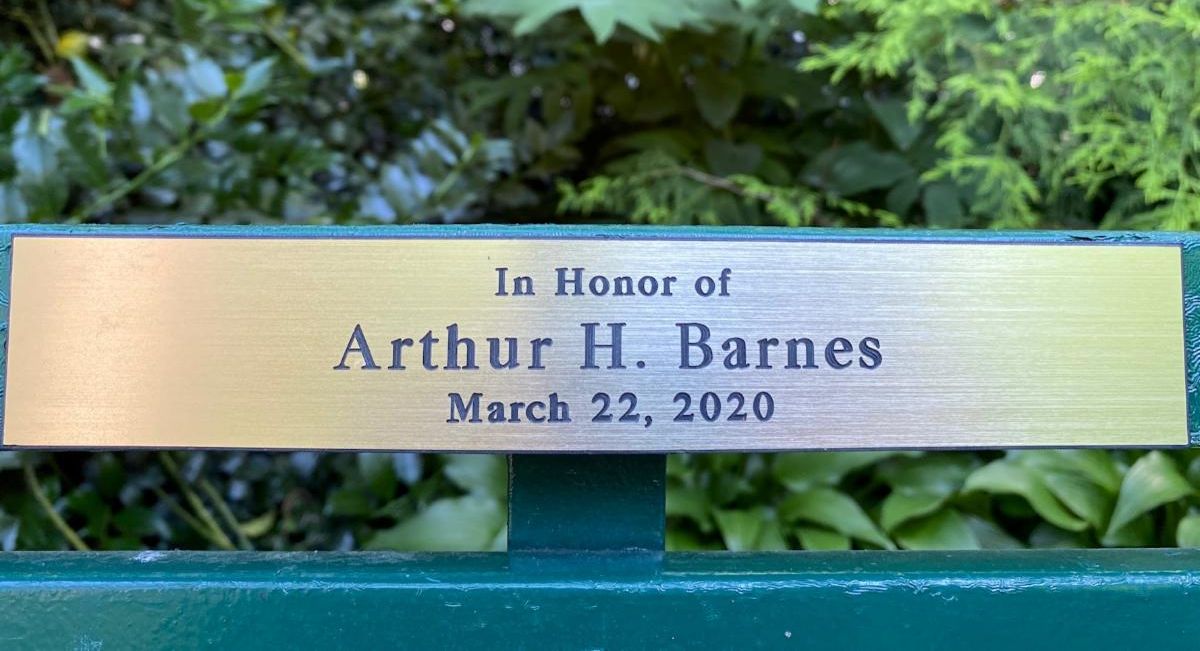
A bench and a planted corner offered a lasting thank-you to Arthur Barnes, whose service connected the Park with the wider neighborhood.
Community gardens, Greenmarket and environmental education shaped Lys McLaughlin Pike’s years at GrowNYC—and connected a Gramercy neighbor with green spaces across the city.
Knowing whom to call matters. A plan to connect building staff with neighborhood officers grew from relationships already established around the Park.
Overflowing baskets and graffiti called for dependable attention. The proposal that became Clean Streets asked neighbors to help make that care a daily commitment.
A street name can invite us to listen. The campaign to honor Harry T. Burleigh recalled the composer whose musical life was closely connected with St. George’s Church.
Useful information travels through people who know one another. Short police bulletins became part of the neighborhood’s everyday conversation about safety in 2013.
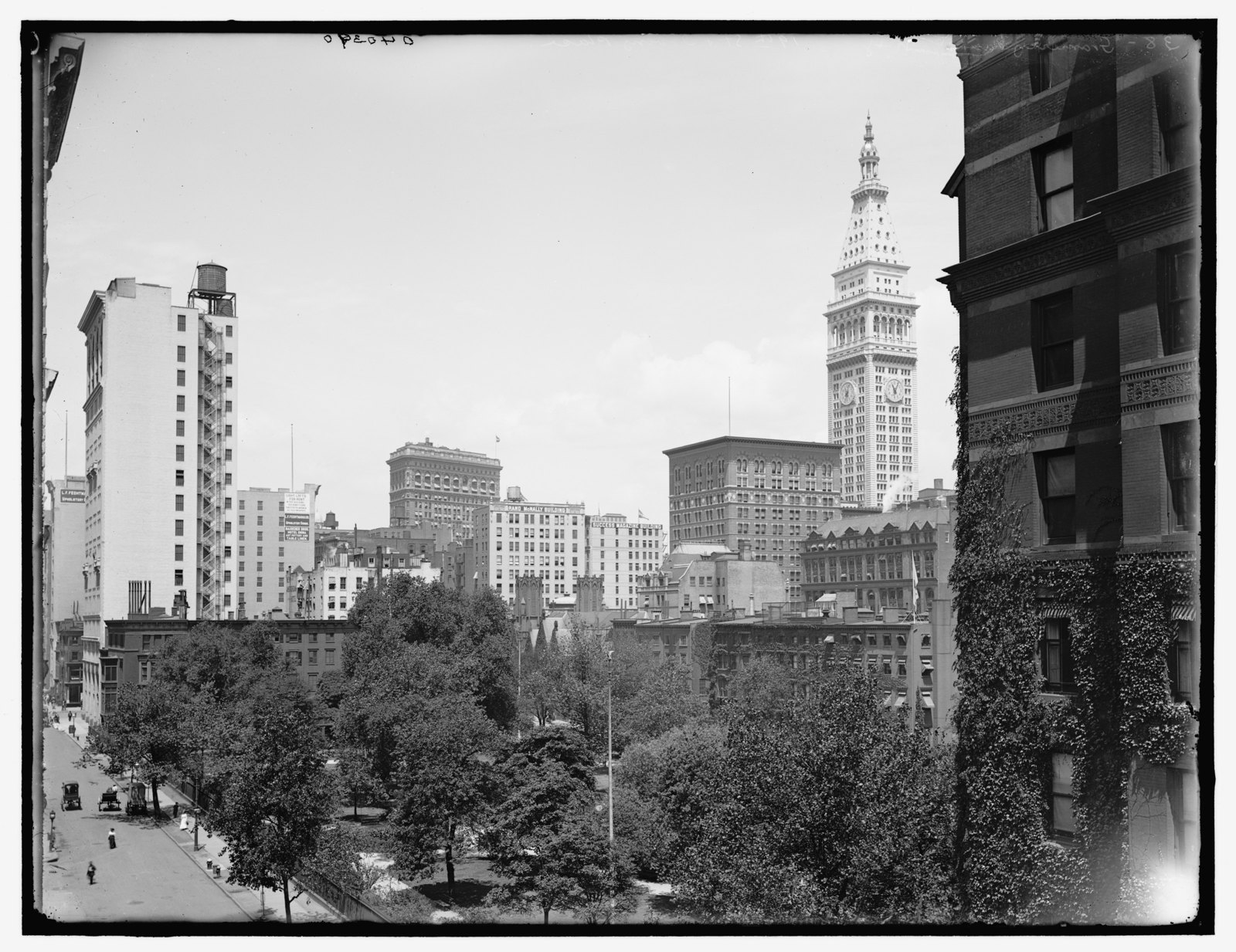
Light, air and a changing skyline matter at sidewalk level. Nearby tower proposals drew Gramercy neighbors into a wider debate about the shape of the city.
Caring for the landscape also means thinking about the sound of the work. New battery-powered tools answered a familiar neighborhood concern.
For neighbors, Maialino meant morning coffee and family celebrations as well as dinner. Its proposed return prompted memories of a place woven into local life.
Imagine Irving Place continuing straight through the garden. A proposal to do just that helped bring neighbors together to defend the Park in 1912.
Seasonal planting, careful painting and graffiti removal on the blocks around Gramercy Park.
Officers’ families became part of the neighborhood’s holiday circle. Shared gatherings carried friendships beyond the workday.
The garden’s changing seasons bring a changing list of jobs. Planting, drainage, benches and paths all need attention for the Park to feel cared for.
A warm, rainy season changed the experience of the garden. The Trustees’ response brought another practical challenge into the work of caring for the Park.
A scholarship can open the door to a first ballet class. Mentoring and practical support help a young person keep going once that door is open.
A coat no longer needed in one home could bring warmth to someone else. The precinct helped connect Gramercy’s donations with a citywide collection.
Recovery workers needed a place to rest as well as food and supplies. At Kenmore Hall, a local partnership offered care beyond the first emergency.
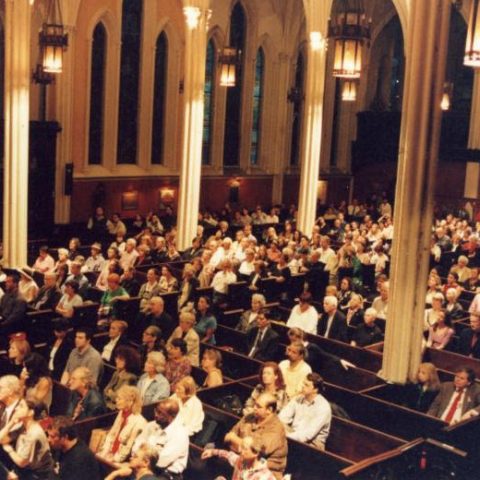
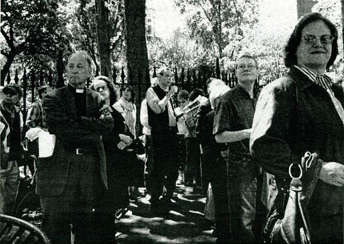
Candles, music and a walk between houses of worship gave neighbors ways to grieve together after September 11.
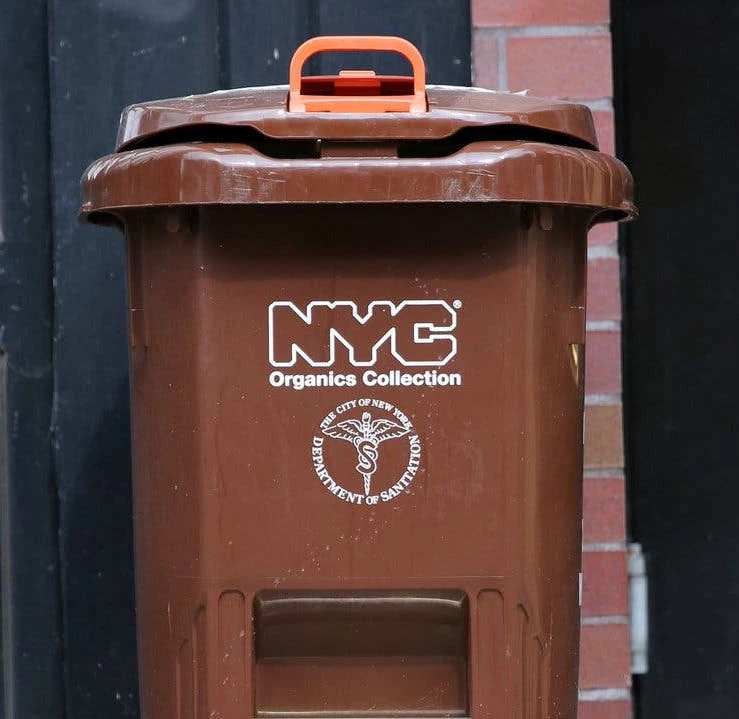
Bringing compost collection to a block required neighbors and building managers to act together. The 2022 campaign turned an environmental goal into a local organizing task.
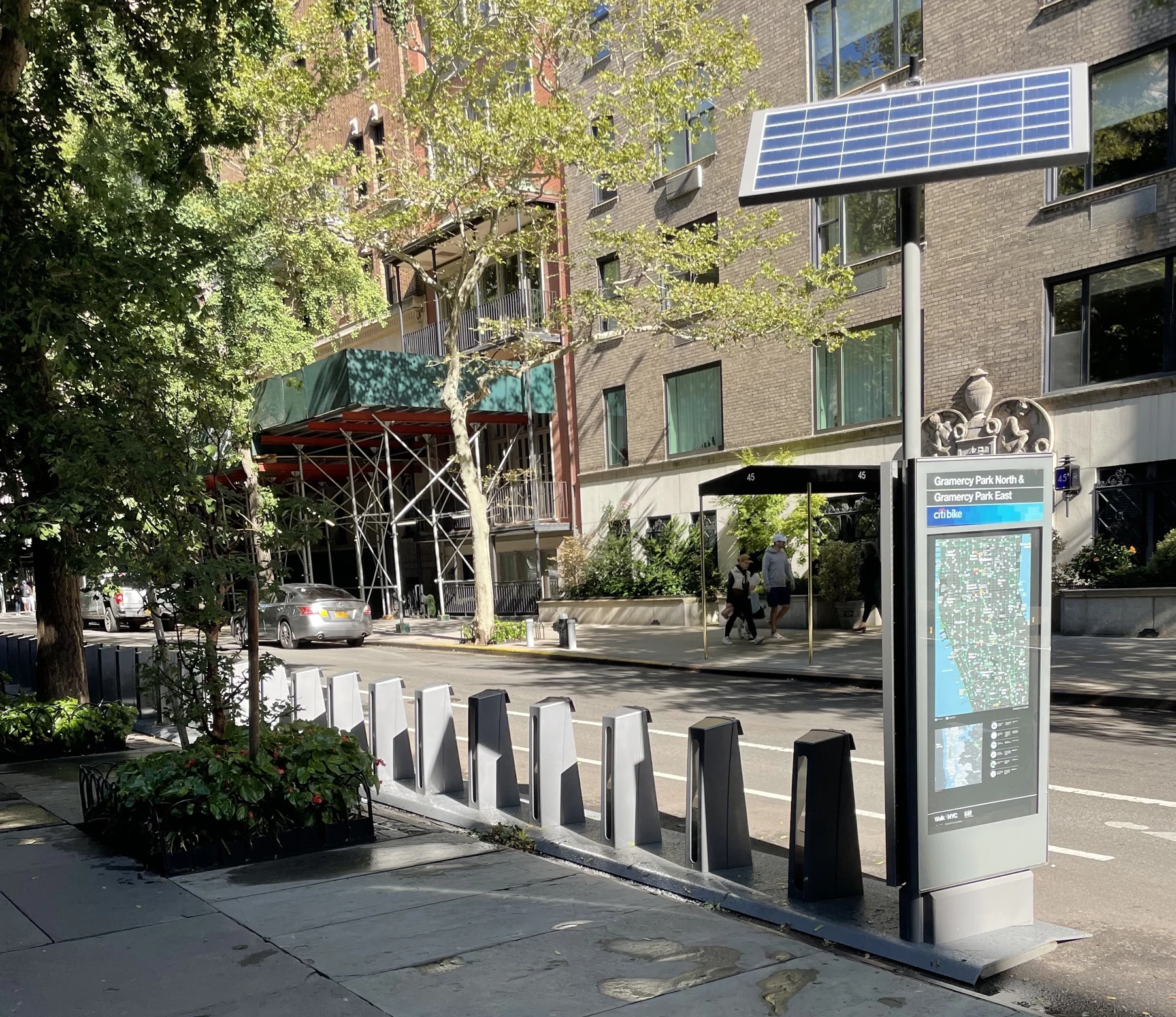
A new bike station changed a familiar corner overnight. Neighbors’ questions about its placement became part of a longer conversation about crossing Gramercy Park North.
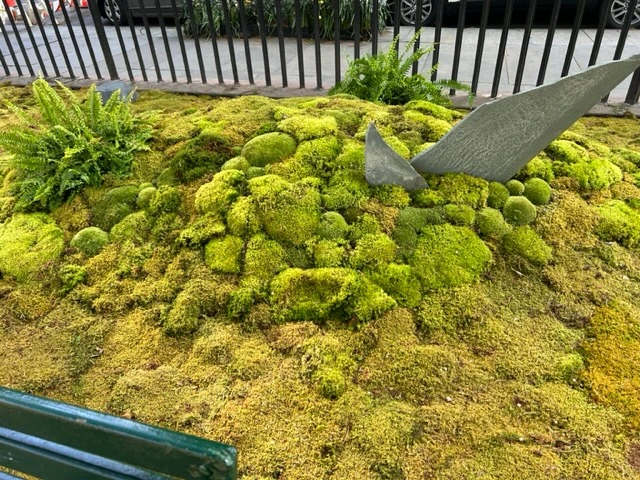
Shade and poor drainage made these corners difficult to plant. Moss offered a new possibility—and a way to remember a beloved elm.
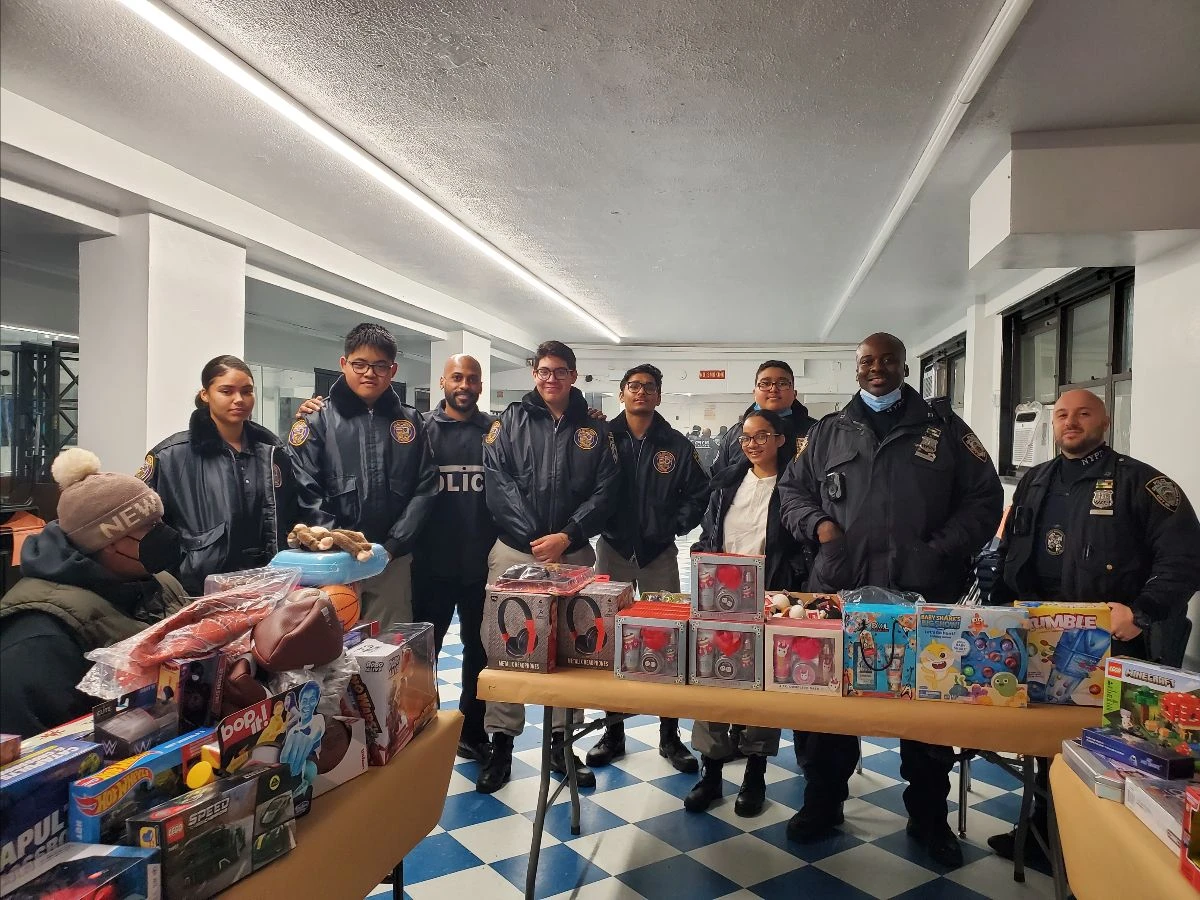
More than two hundred toys found their way to children at Nathan Straus Houses. Neighbors and local officers helped turn a holiday collection into individual gifts.
Music on the stoop, art in the galleries and a look inside the Tilden Mansion: Community Day invited neighbors to get to know a familiar landmark from within.
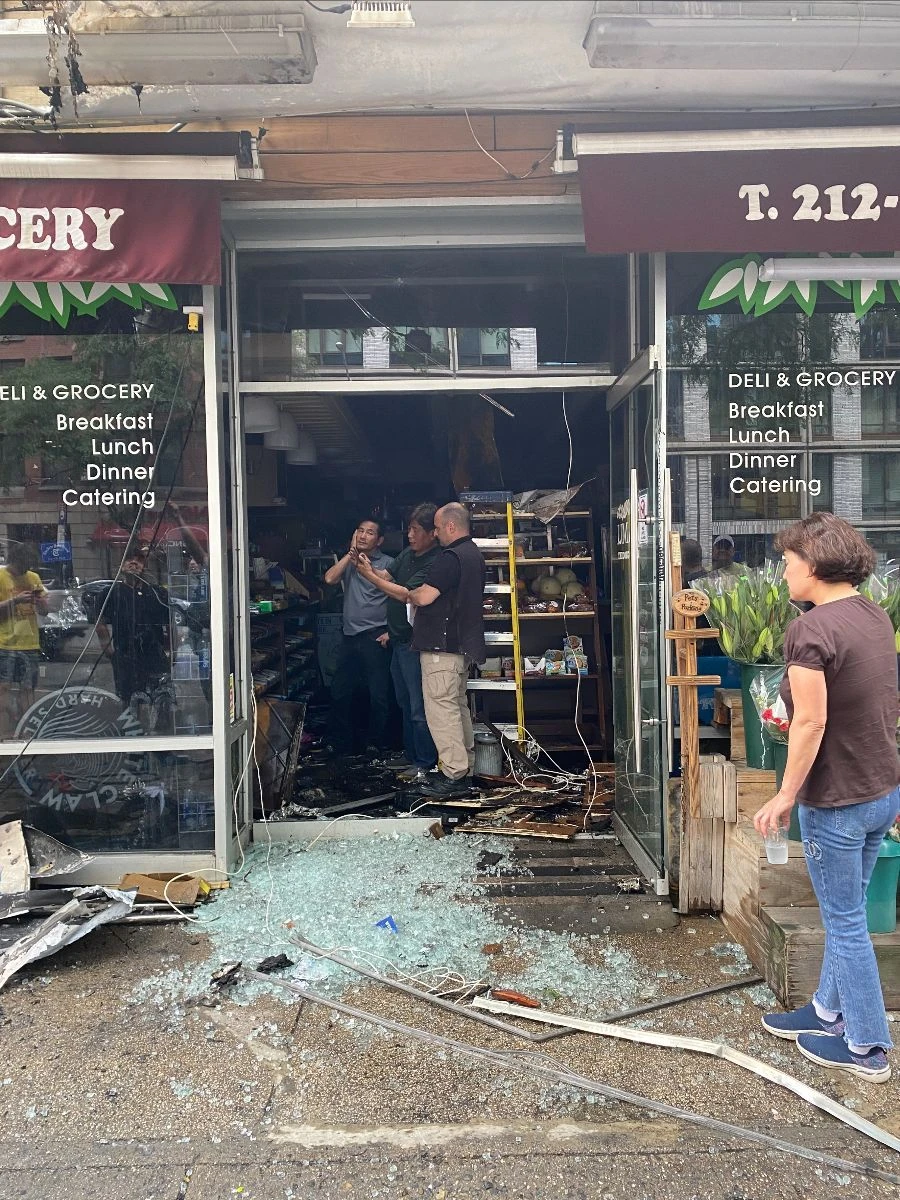
A fire brought a sudden end to a familiar shop’s final days. The June 2023 letter also looked ahead to the neighborhood’s changing everyday places.
A year of Gramercy on the wall: changing light, flowers and familiar views turn neighbors’ support into something they can enjoy every day.
The former Sonnenberg Mansion opened its doors for a different kind of gathering: neighbors helping the families of three officers lost on September 11.
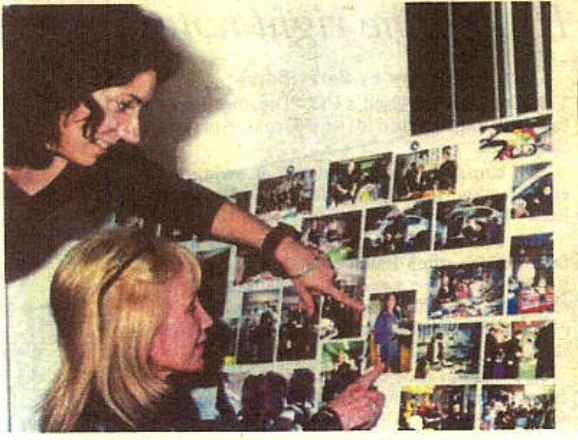
Nilda Mesa’s photographic collage preserved the faces of the neighborhood’s September 11 relief effort.
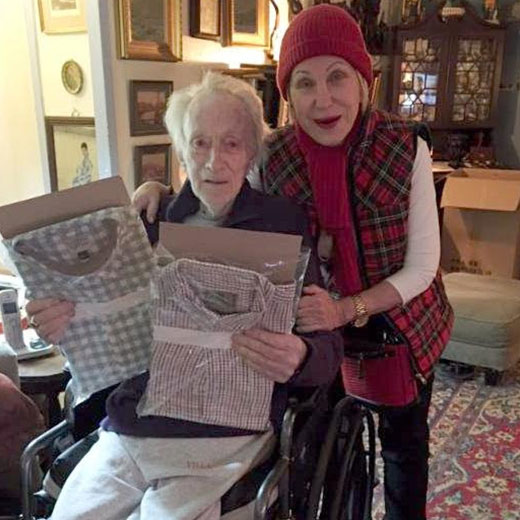
Opening one remarkable house helped people who could not easily leave their own. A tour of 23 Gramercy Park South became a benefit for homebound neighbors.
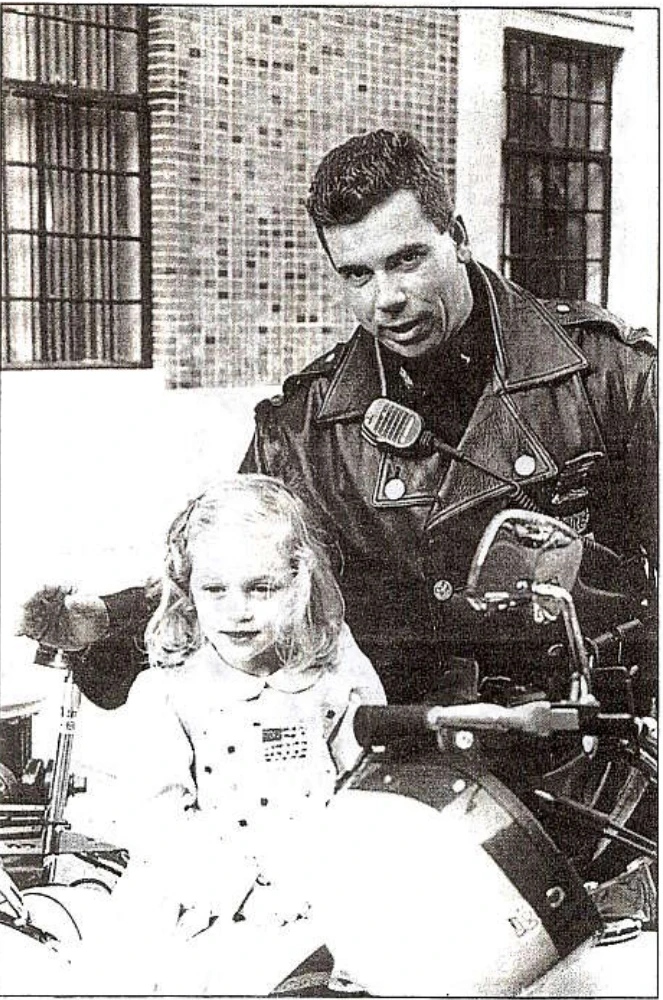
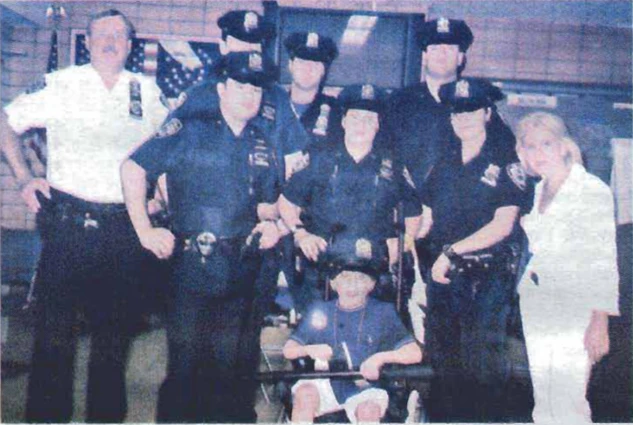
Eight-year-old Jonah wanted to visit the police. A request from his grandfather became a personal encounter with the precinct down the street.
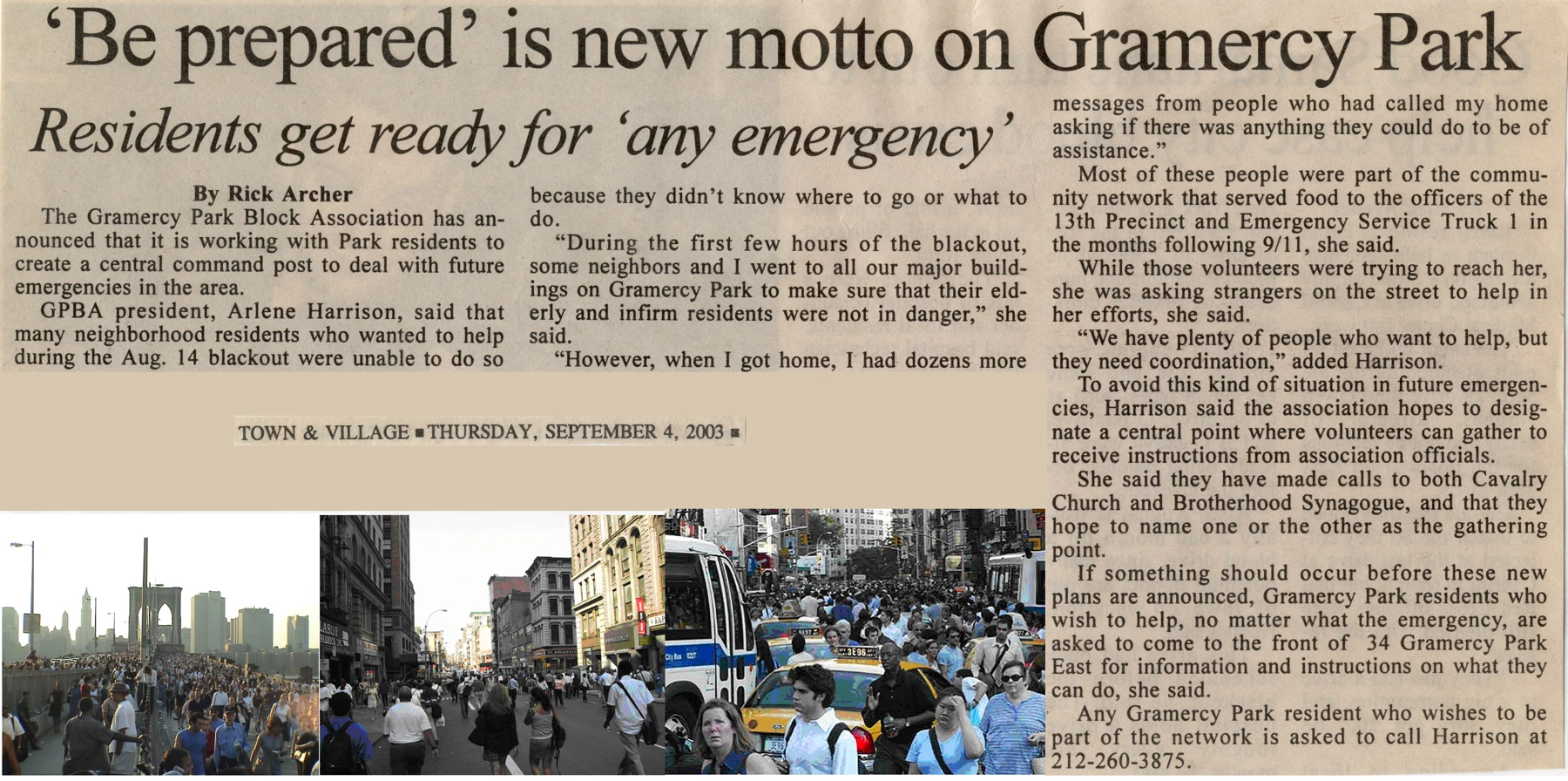
When the lights went out in 2003, neighbors checked on one another. The blackout revealed both the strength of that goodwill and the need to help willing people find each other.
A volunteer’s experience started a conversation. Neighbors helped reconnect an educational program with a citywide network of support.
Young people leaving foster care needed a place to live and support for what came next. A housing proposal brought several organizations into the same conversation.
A holiday gathering brought neighbors, staff and YAI residents together. The photograph remembers a small, personal part of a longer community relationship.
Families, officers and neighbors gathered to honor three men lost in service. After the memorial unveiling, a shared meal made room to be together.
A composer, a church and the exchange of musical ideas offer another way to read familiar streets. Dr. Arthur Lewin explores Black history in and around Gramercy.
When Julia Bird became seriously ill, more than two hundred people gathered to help her family. Friends, businesses and neighborhood organizations made the evening possible.
A trip to the ballet could end with meeting the dancers. Neighborhood outings brought children and first responders’ families into a shared holiday tradition.
Seven-year-old Abigail dreamed of becoming a police officer. On her New York visit, Gramercy neighbors helped give her and her family a personal welcome.
A portico frames the meeting of a building and the street. Its planned restoration connected the School of Visual Arts with neighbors caring for the surrounding blocks.
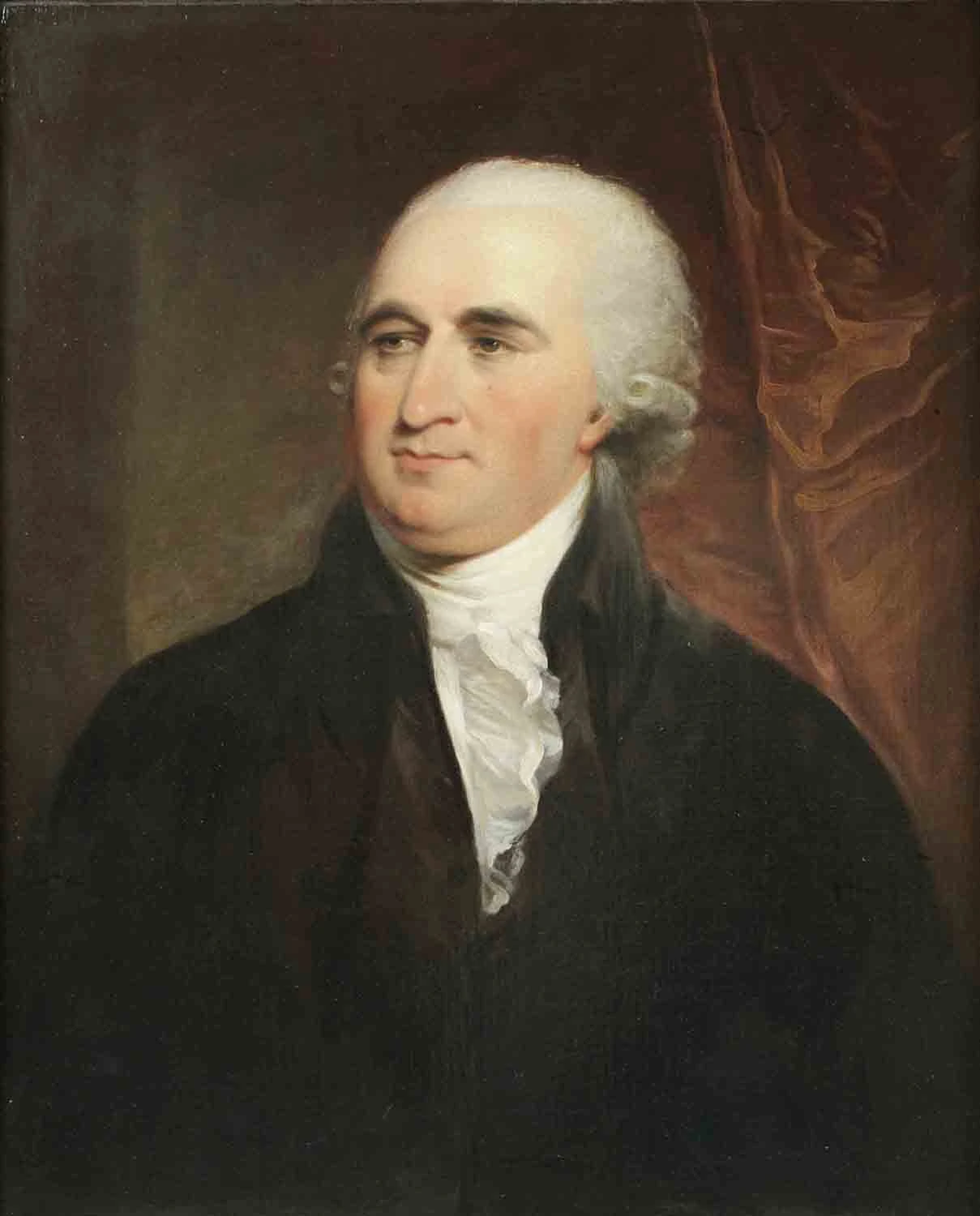
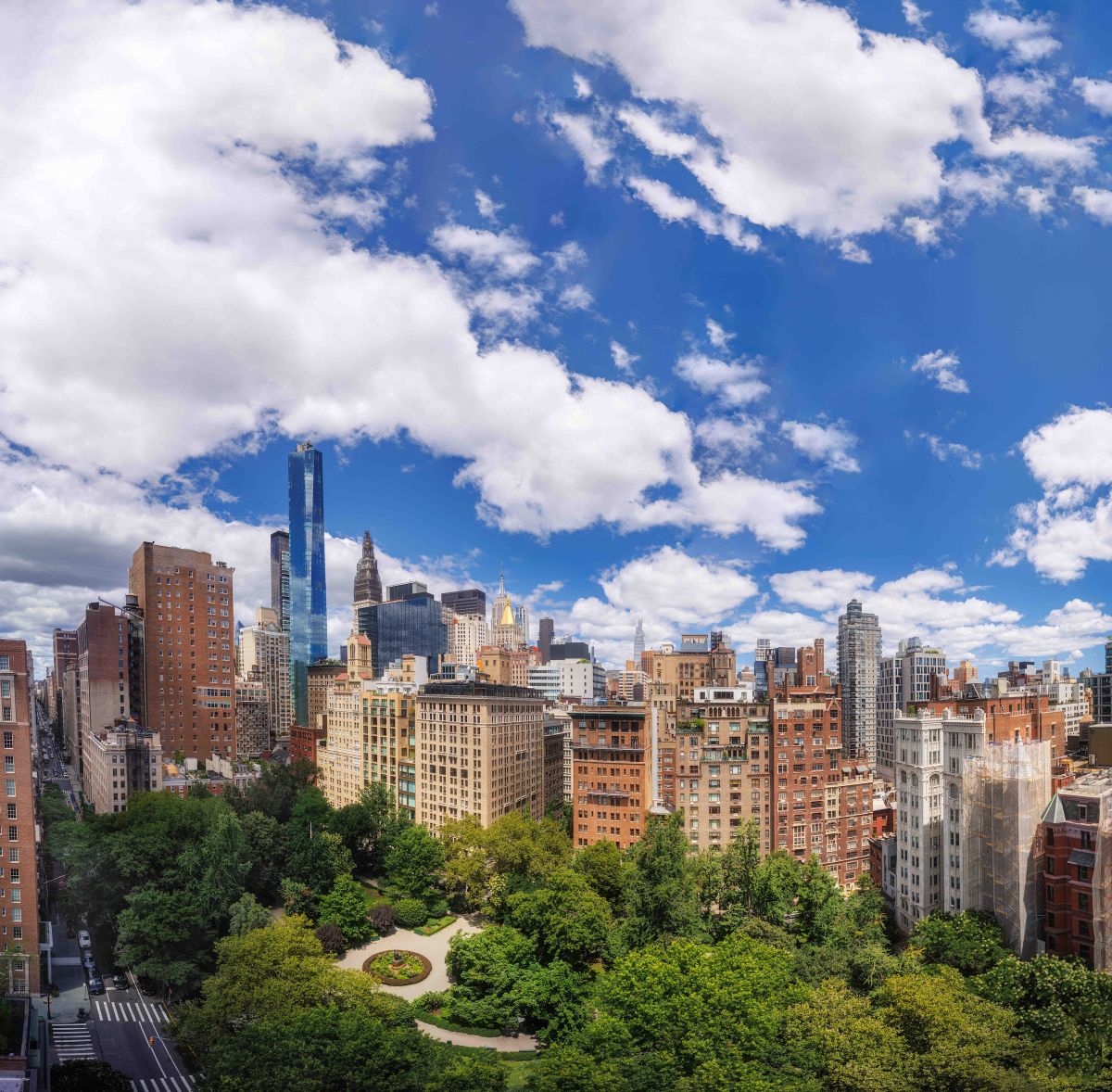
Before the iron fence and the townhouses, a brook wound toward the East River. Traces of that older landscape survive in Gramercy’s name.
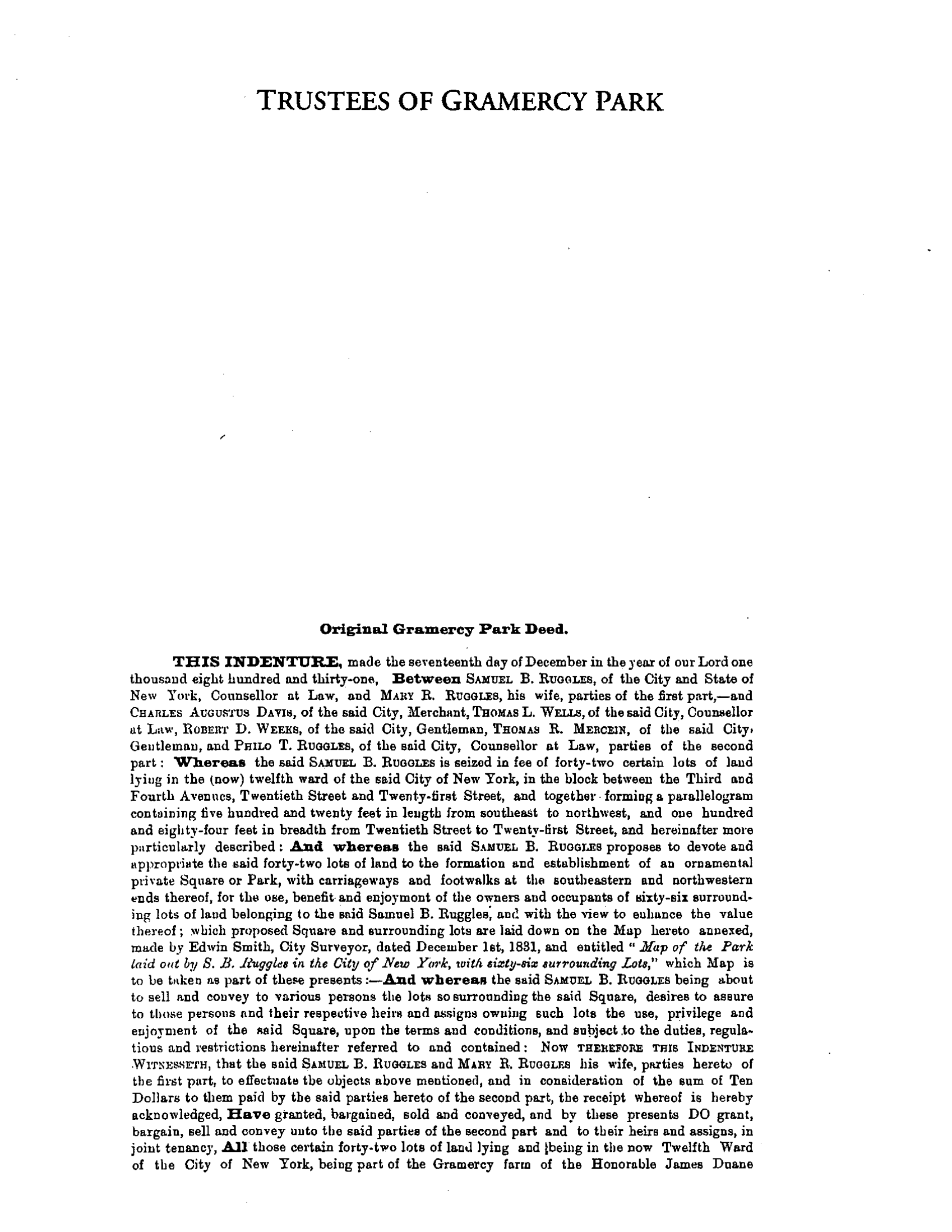
Ruggles planned for a garden that would outlive him. The 1831 deed joined open ground, surrounding homes and the responsibility to care for both across generations.
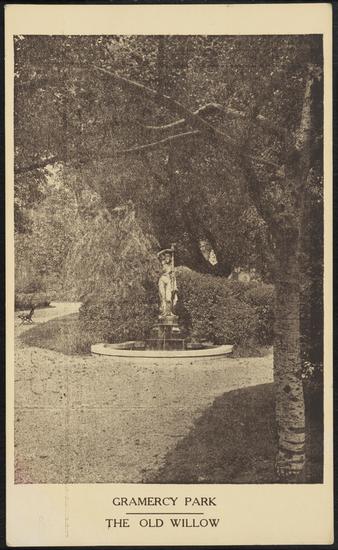
A garden on paper still needs trees in the ground. Early planting orders reveal how Ruggles’s idea slowly became the living landscape around us.
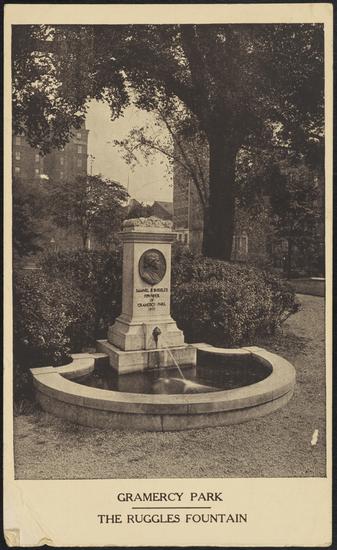
Before Edwin Booth stood at the center, a fountain held that place. Water, sculpture and remembrance have repeatedly changed the garden we recognize today.
An idea discussed in a Gramercy library aimed to cross an ocean. Cyrus W. Field and his collaborators set out to connect Europe and America by telegraph.
Ideas that reached classrooms and library shelves across New York also had roots in Gramercy’s homes. Meet the neighbors who helped put learning within reach.
As houses filled the square, places of worship gave the growing neighborhood somewhere to gather. Their stories connect architecture with faith and service.
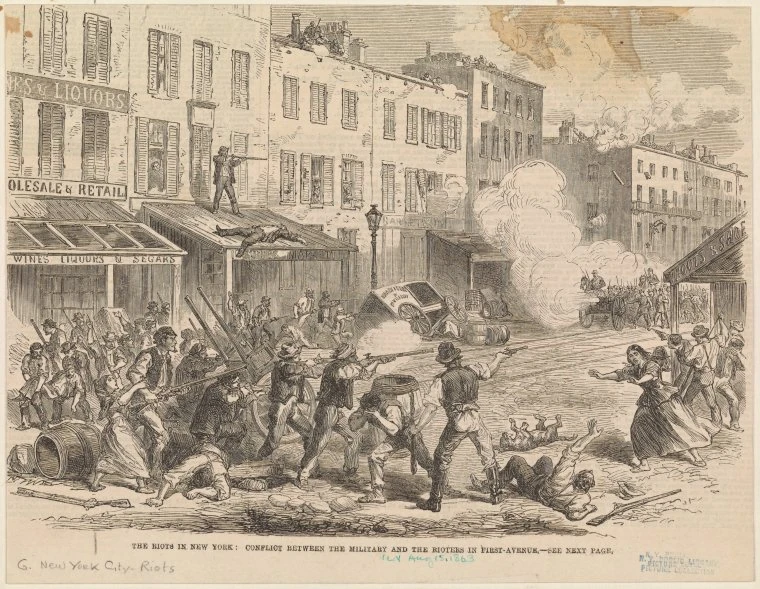
Troops camped in the Park as the violence of the Draft Riots reached New York’s streets. Gramercy’s Civil War story also includes neighbors organizing relief for soldiers.
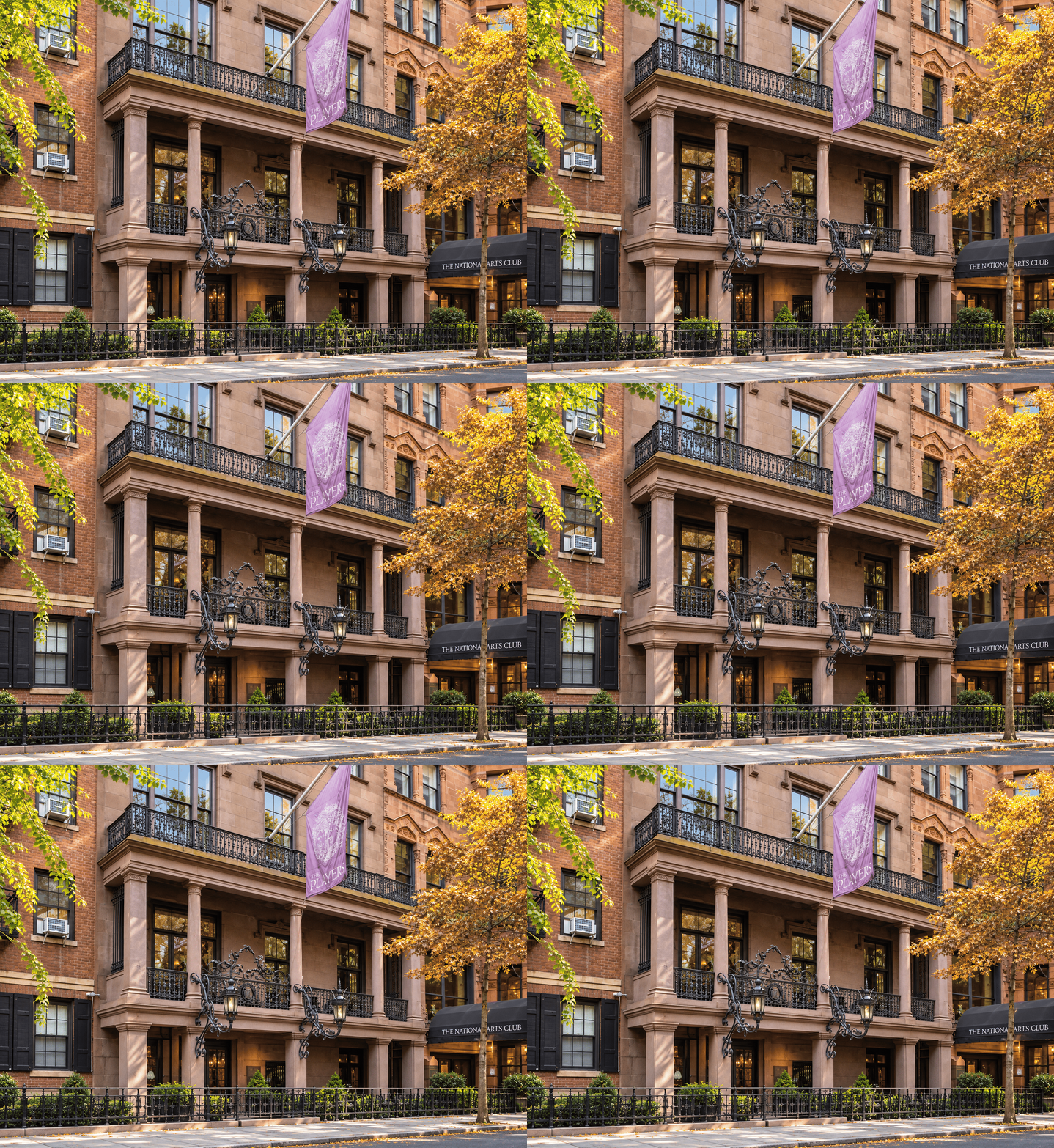
Edwin Booth turned his home into a meeting place for the arts. The National Arts Club added another chapter next door, giving Gramercy’s houses lives beyond their original owners.
A townhouse becomes a club. Apartments rise beside older homes. Gramercy’s familiar character has taken shape through nearly two centuries of change.

A lasting garden needs more than a founding vision. Contributions, repairs and an early endowment reveal the practical work of keeping Gramercy green.
Basil Clarke thought he would stay ten years. Fourteen years later, neighbors gathered to thank a caretaker whose daily work had helped the garden thrive.
Thirty-seven artists contributed work to an evening that linked art with care at Cabrini Medical Center. Gramercy neighbors were part of the gathering.
Hundreds of neighbors set out to see familiar blocks afresh. Dr. Eugene E. Weise’s anniversary walk brought the people behind Gramercy’s addresses into view.
Lunch, Shakespeare and song at Edwin Booth’s old home helped support the people who make a life in the performing arts.
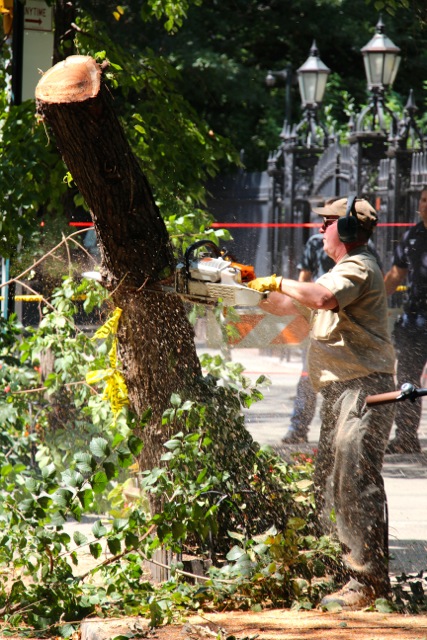
When construction changed the route of traffic, a street tree paid the price. Neighbors pressed for answers about the work outside their doors.
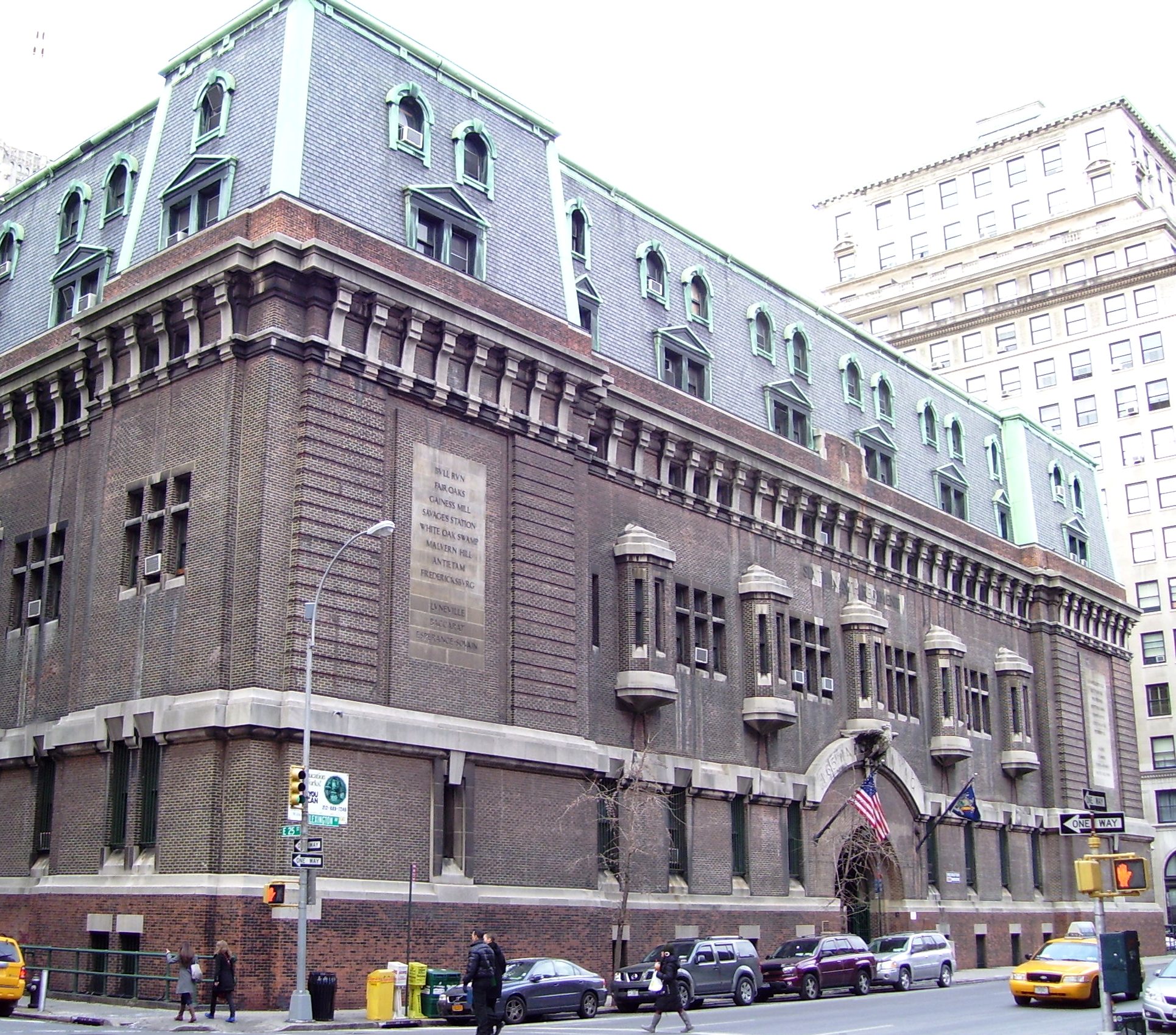
A proposed new use for the Lexington Avenue Armory brought neighbors together around questions about the building and the blocks surrounding it.
A comedy club’s proposed expansion raised a familiar city question: how can an evening out coexist with the people living upstairs and next door?
A letter, a photograph, a child’s drawing: small things carry a neighborhood’s memory. Preserving them helps the next generation understand the people behind the work.
A familiar welcome at the National Arts Club, and a community’s remembrance in 2014.
Nursery-rhyme characters, young audiences and a new ballet came together to support Project LIFT. An afternoon of theatre helped other children take part in the arts.
Susan Sutherland put her time and professional experience behind neighborhood causes. The Gramercy Park Block Association’s first Woman of the Year award recognized that personal commitment.
In a difficult autumn, neighbors planted for a brighter season. Twenty-two thousand bulbs carried the promise of spring into 2021.
Holiday benefits and a restaurant opening helped connect neighborhood life with the work of caring for its streets.
A neighborhood’s reach extends beyond its own blocks. Two gatherings brought Gramercy’s community work into a wider circle of businesses and preservation advocates.
Look closely at the Gramercy Park Block Association’s lettering and tree-shaped initials. A neighbor’s design drew its inspiration from the Park itself.
The clean sidewalk on your walk home began with a proposal and neighbors willing to support it. Here is how Clean Streets became part of daily life.
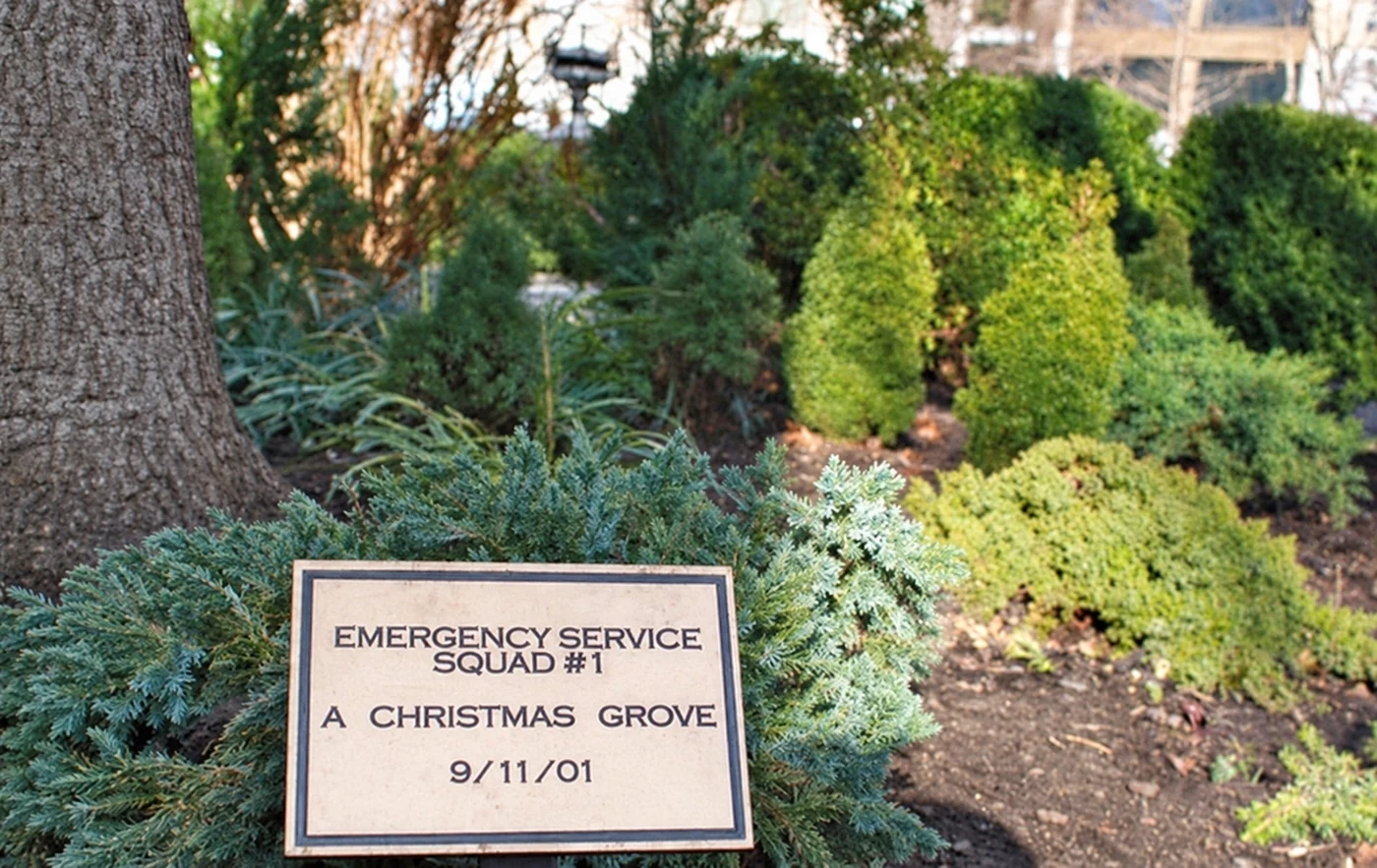
The memorial planting behind the Ruggles Fountain honors officers lost in service, including those killed on September 11.
No stories match. Try another search or clear your search and filters above.