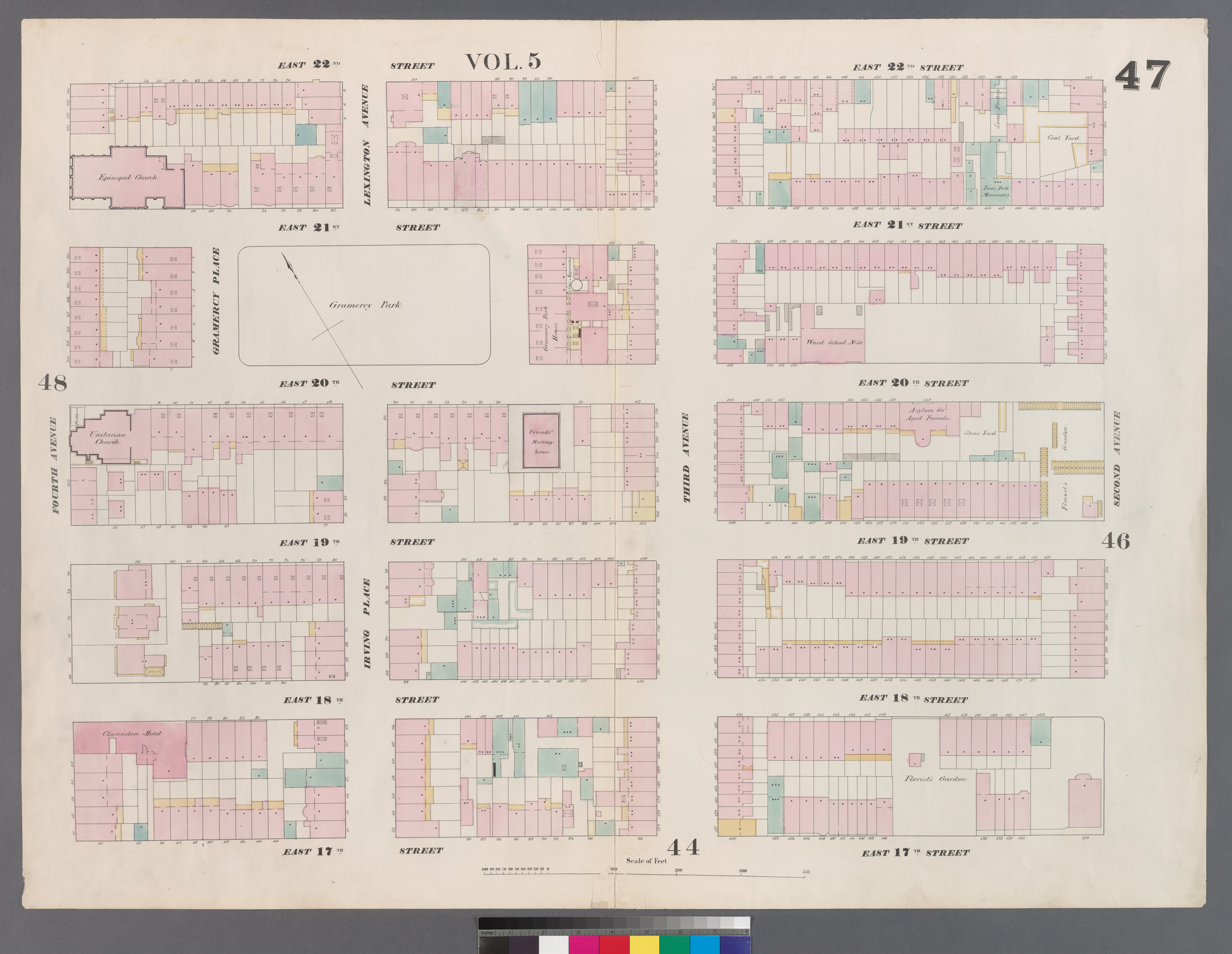
How Gramercy Park Was Saved
Ruggles’s 1831 indenture, the 1912 fight over a street through the Park, and sixty years of landmark protection.

Preservation is an active endeavor.
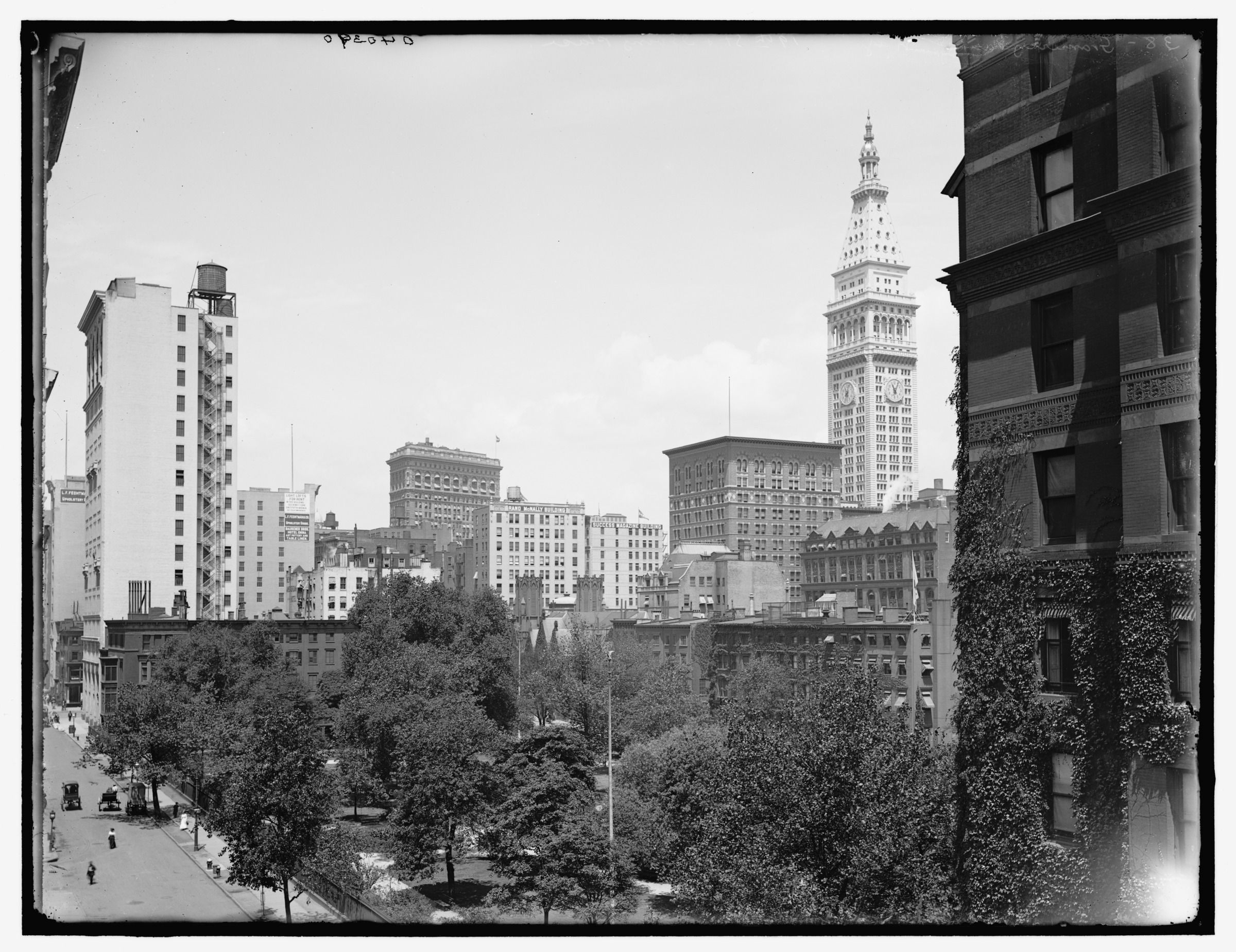
For more than three decades, we have worked to protect the architecture, scale, streetscape and residential character of the Gramercy Park neighborhood.
We advocate for responsible development, organize community support when preservation issues arise, monitor construction and hold developers to their commitments. This work carries forward a long tradition of neighbors defending the place they call home—and helps ensure that change respects both its history and the people who live here.
Clean streets, safe blocks, tended trees and an informed neighborhood all serve the same purpose: preserving historic Gramercy Park and the quality of life of the surrounding residential neighborhood.
Landmark designation guides change so that a neighborhood’s character survives it. Within the Gramercy Park Historic District, most exterior alterations require review by the Landmarks Preservation Commission. The district was designated in 1966 and extended in 1988 to include 36 Gramercy Park East.
Most of the Park’s north side, including the Gramercy Park Hotel, and the site at 38 Gramercy Park North lie outside that boundary. Their redevelopment does not receive the review that applies within the historic district. The distinction makes the Block Association’s continued attention especially important.
Outside the district, our advocacy includes construction hours, sidewalk protection and sanitation, the protection of street trees and historic fixtures, and developers’ commitments to neighbors.
See the official historic district map · LPC’s guide to exterior alterations
The Block Association’s involvement continues from early discussions through the conditions neighbors experience at street level. We follow pedestrian passage, protective barriers, noise, dust, working hours, street trees and historic fixtures, and keep residents informed as a project develops.
At 38 Gramercy Park North, we held a neighborhood meeting in March 2025, followed up on construction conditions and the historic lamppost, and reported changes to pedestrian barriers, warning signs and a convex mirror in January 2026.
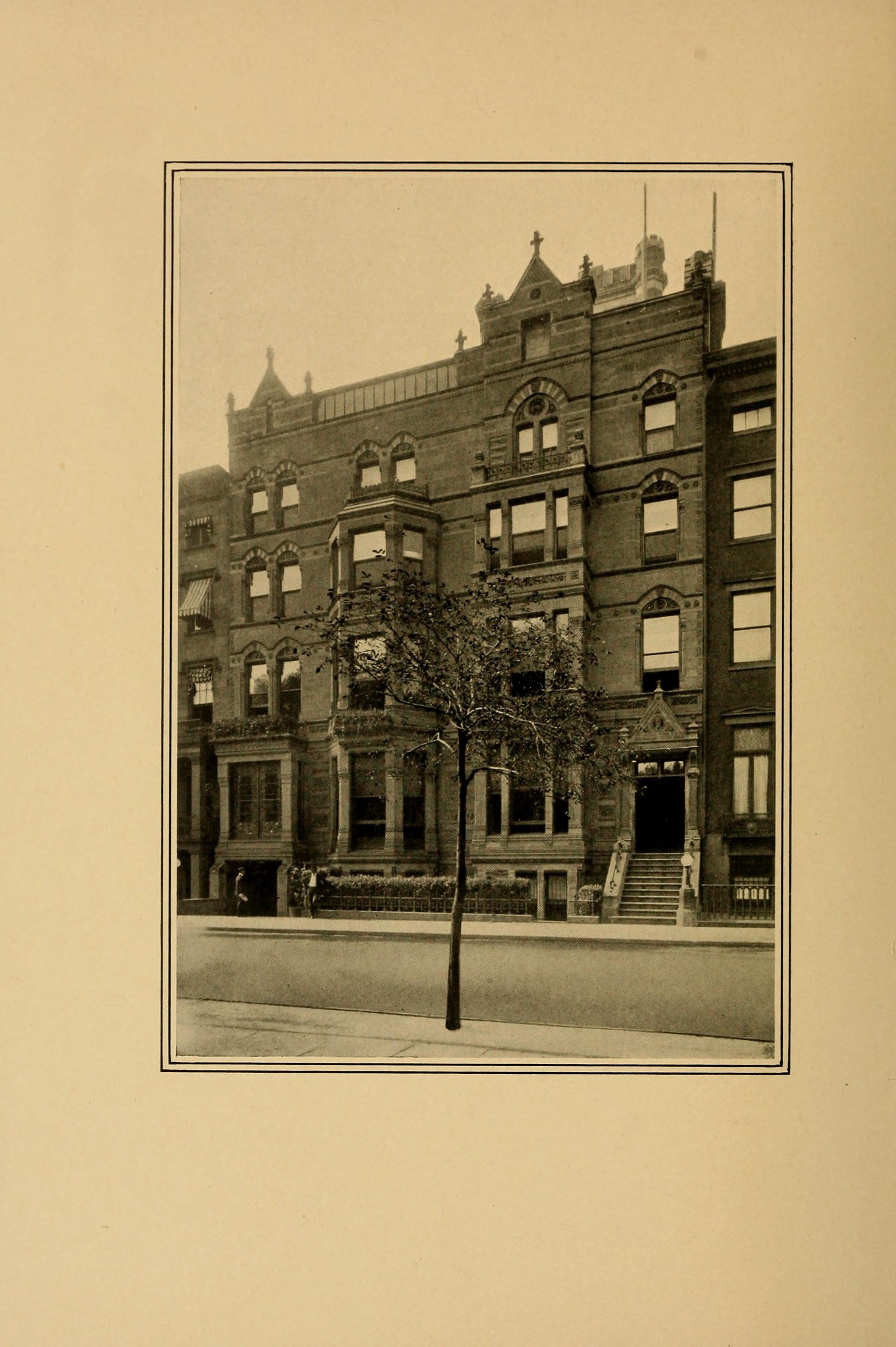
Follow the 38 Gramercy Park North recordResearch, organized support and public advocacy help make a building’s care a neighborhood concern. In 2004, the Block Association drew attention to the condition of the National Arts Club’s Tilden mansion and reached out to preservation organizations to support its protection.
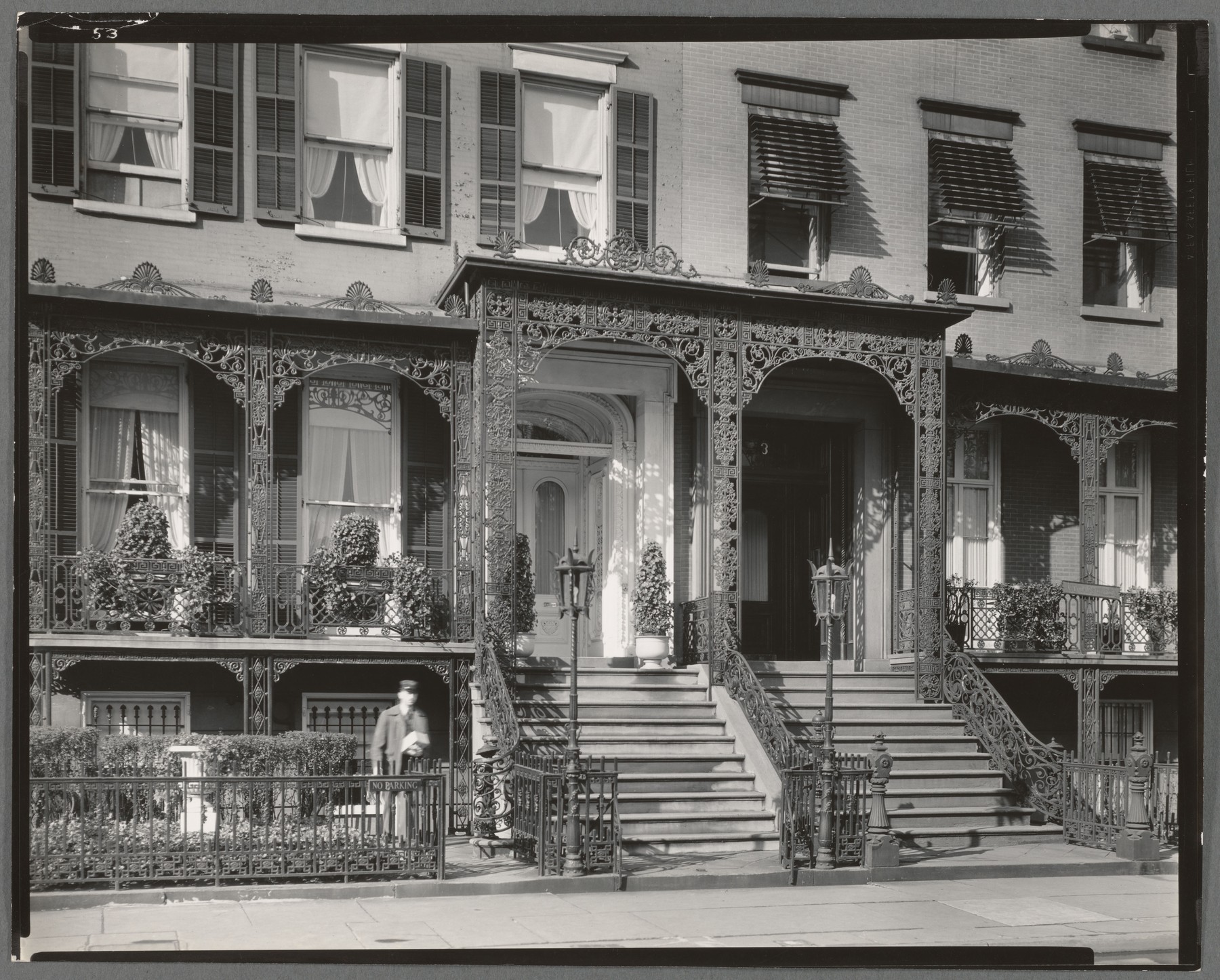
Preservation is visible in the details people pass every day: ironwork, lampposts, street signs, tree gardens and the spaces between buildings. The Block Association connects care for that public realm with advocacy for the neighborhood’s historic and residential character.
Historic-district street signs, introduced here in 2014, make the designation visible at our corners. Through Clean Streets & Streetscape and Trees & Horticulture, daily maintenance, painting street fixtures and tending trees help keep preservation meaningful in everyday life.
Ruggles’s 1831 deed established protections for the garden. Neighbors defeated a proposed street through it in 1912, and landmark designation added City protection in 1966.
The Landmarks Preservation Commission regulates the historic district. The Trustees govern and care for the Park and everything inside its fence. Property owners maintain their buildings. Our role is civic: bringing neighbors together, advocating for the public realm and helping those protections remain meaningful in the life of the neighborhood.
Read Arlene Harrison’s letter on historic preservation, explore the history of Gramercy Park, or look more closely at its buildings and addresses.