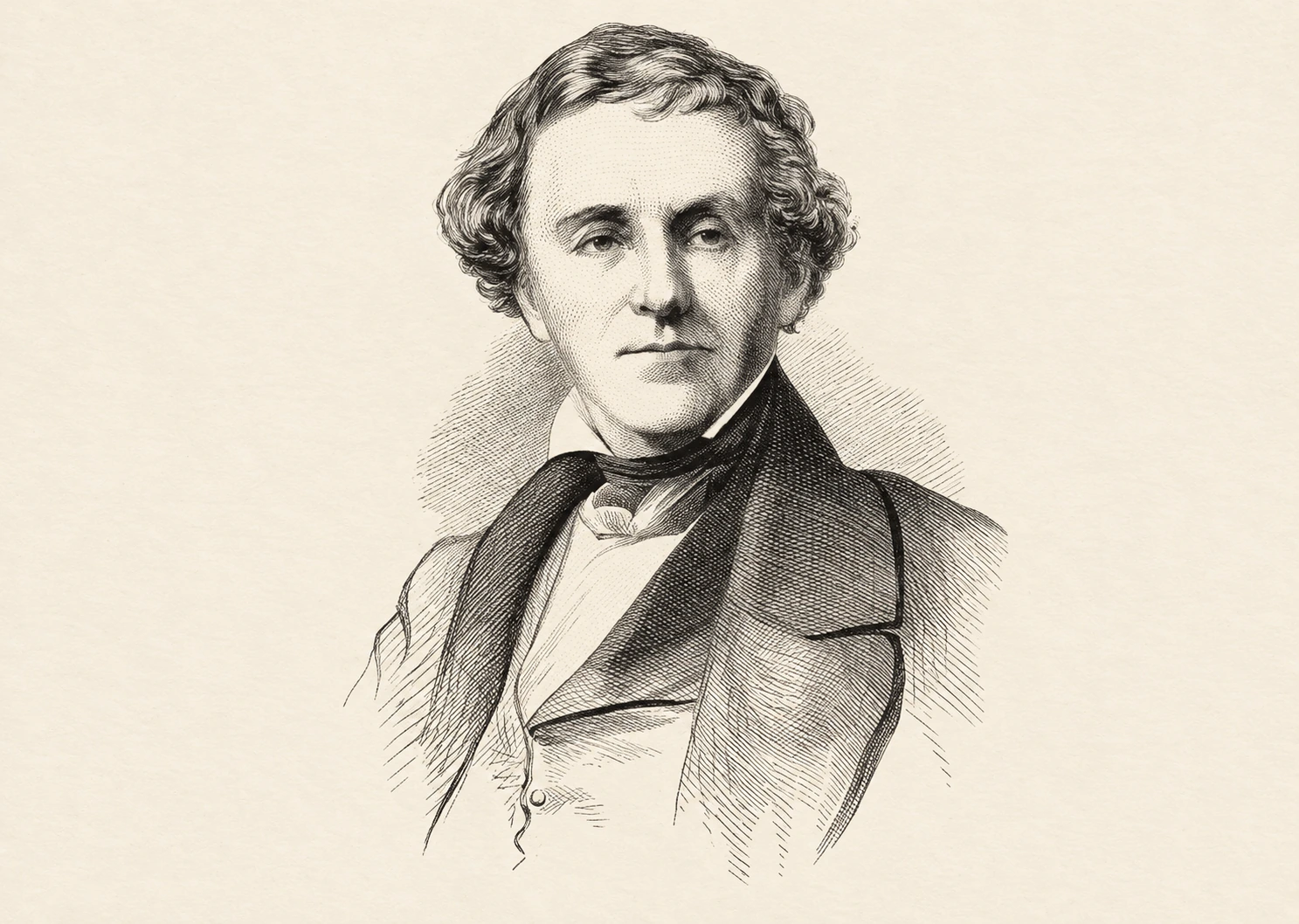
Founder & public advocate
Samuel B. Ruggles
The city he saw coming
The lawyer and developer who set aside a garden, planned its streets and kept pressing his ideas upon New York.
Gramercy ParkFounder of the Park

A growing collection of neighborhood lives
Remarkable lives. Familiar addresses.
24 profiles
Founder & public advocate
The city he saw coming
The lawyer and developer who set aside a garden, planned its streets and kept pressing his ideas upon New York.
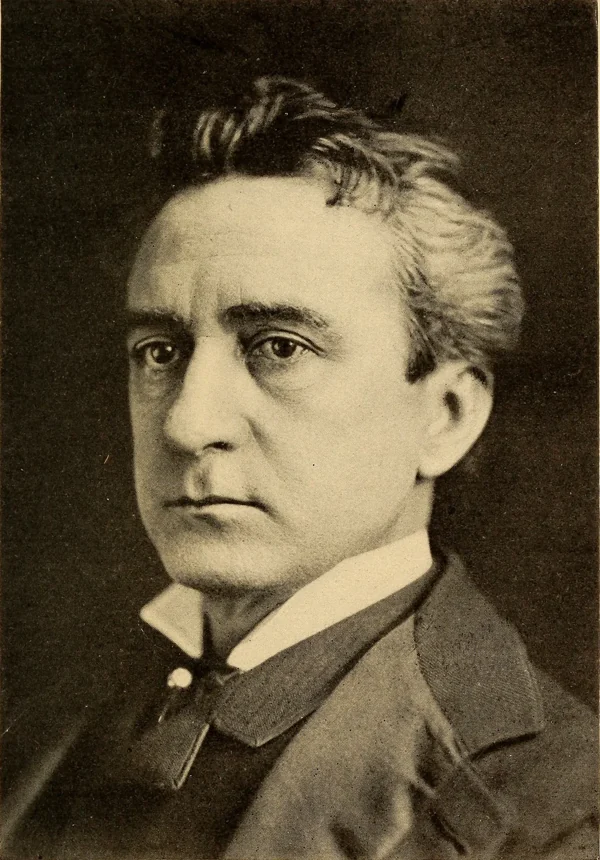
Actor & club founder
Hamlet Comes Home
After a lifetime on the road, the celebrated actor found a home with friends downstairs and the Park outside his window.
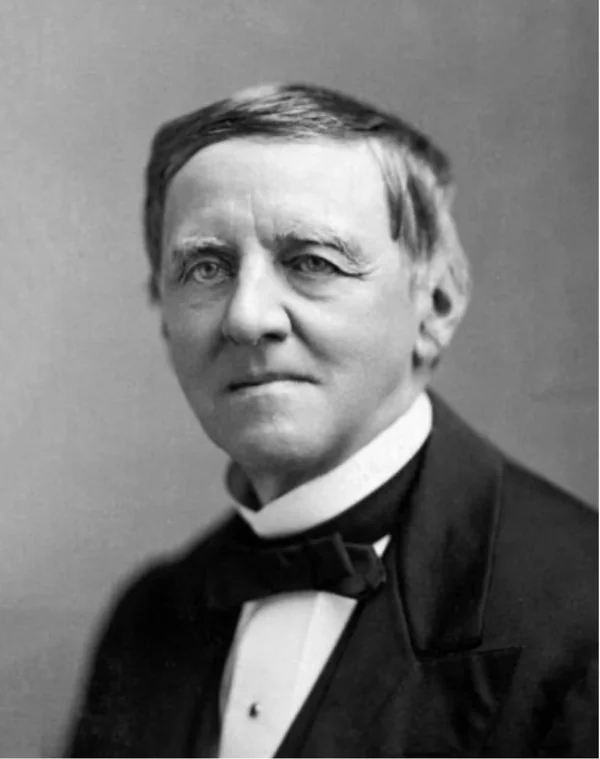
Governor & bibliophile
A Life Beyond the Lost Presidency
From the money trail behind Boss Tweed to a library for all New Yorkers, the story of the man at No. 15.
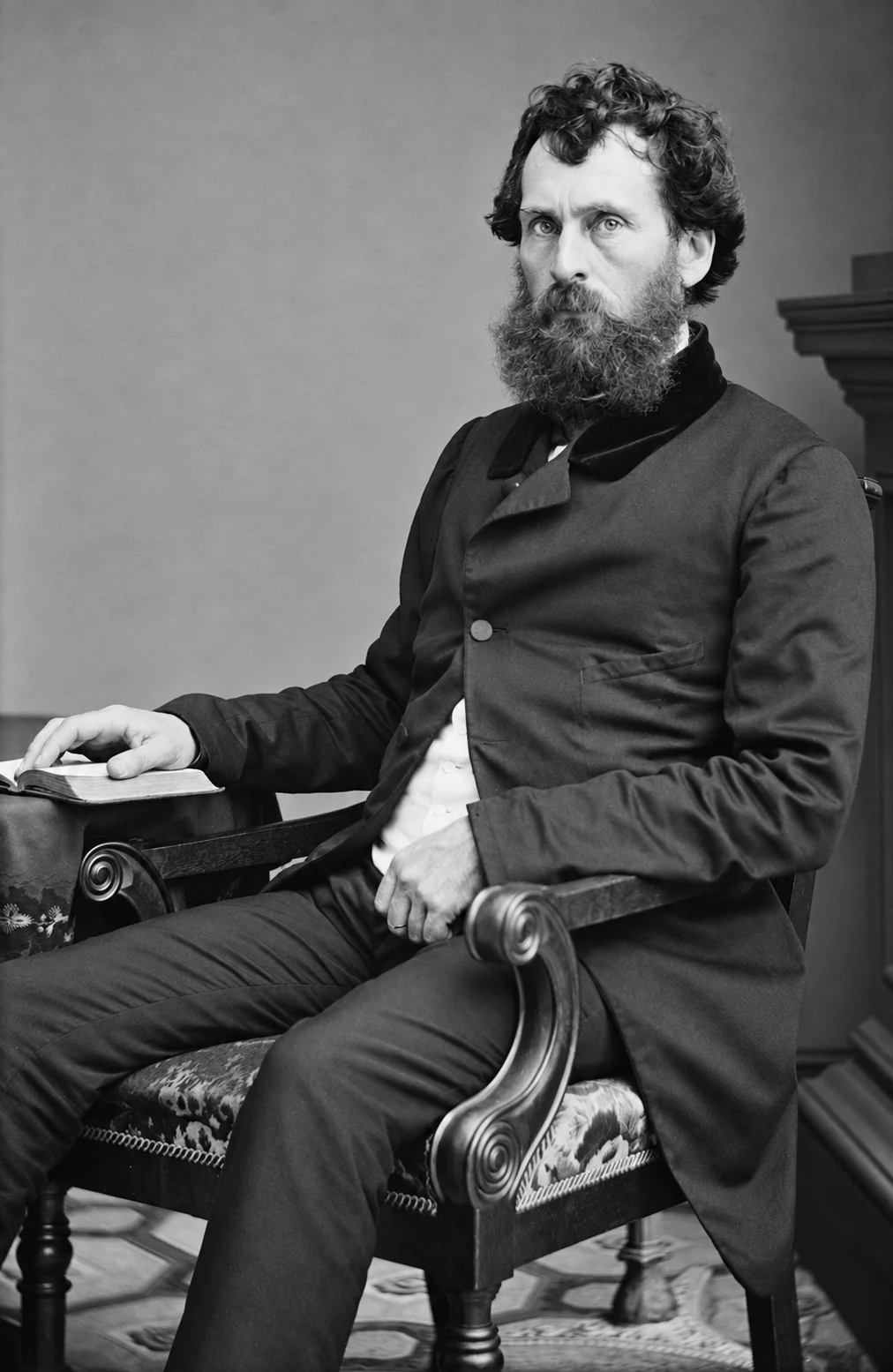
Editor, diplomat & library founder
The reader at No. 21
At 21 Gramercy Park South, John Bigelow kept a house full of books. His friendship with Samuel Tilden helped give New York a library of its own.
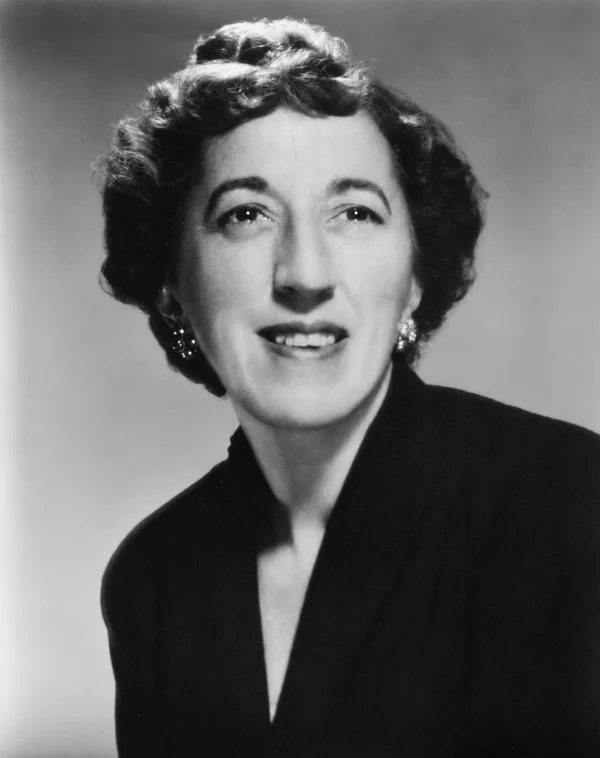
Actress & teacher
The Wicked Witch Upstairs
At No. 34, one of the most frightening figures in movie history was a profoundly kind neighbor.
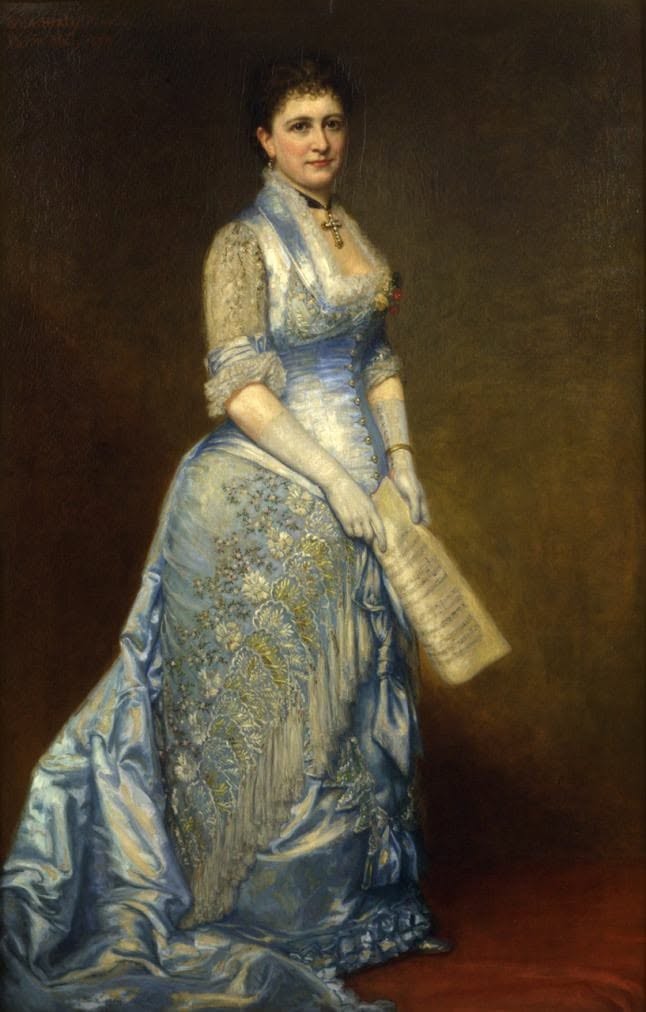
Concert soprano & teacher
The World in Her Drawing Room
After filling concert halls across Europe and America, she welcomed singers, artists and visitors from around the world to her Friday musicales at No. 34.
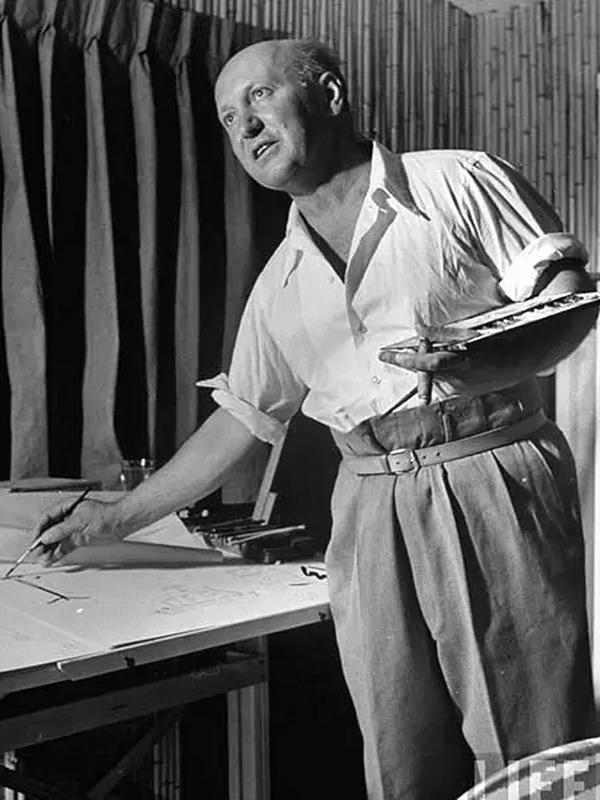
Writer, illustrator & painter
Paris on the Ceiling
The creator of Madeline made Gramercy Park a home, a subject—and the setting for a story about an impossible landlord.
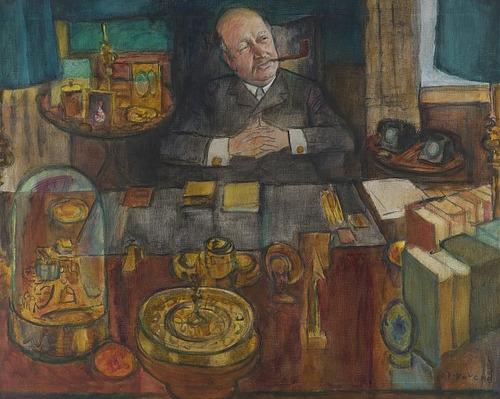
Publicist & collector
The Pedestal Builder of 19 Gramercy Park South
The publicist who built reputations—and turned a Gramercy corner mansion into a thirty-seven-room world of art, brass beds and midnight parties.
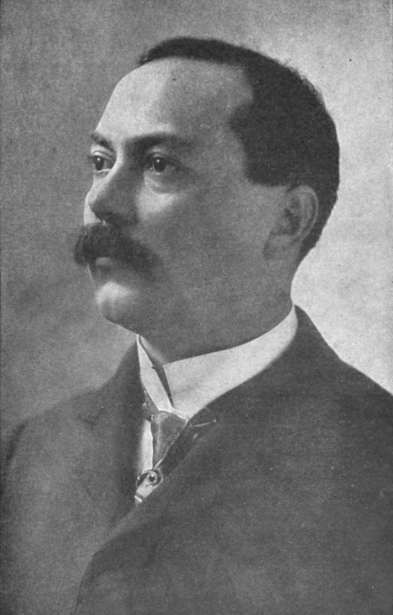
Showman & publicist
The showman at No. 36
A musician, a press director and a family storyteller—with circus wagons once at his Gramercy door.
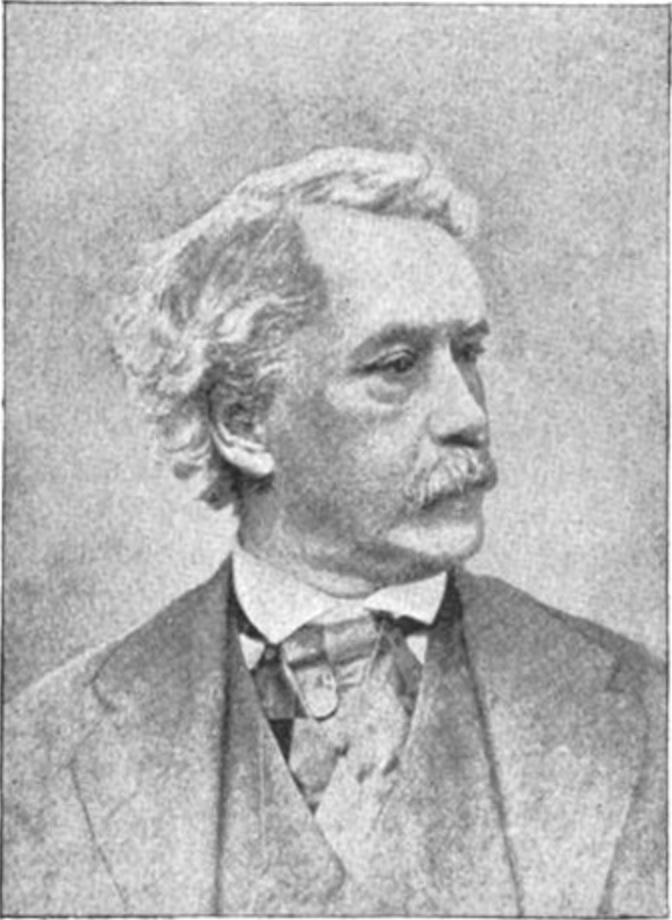
Diarist, Lawyer & Civic Leader
A City Kept in Secret
Behind a brownstone front on Gramercy Park North, a lawyer kept New York’s most revealing private diary. His neighbors became characters, colleagues, and partners in the work of saving Union soldiers.
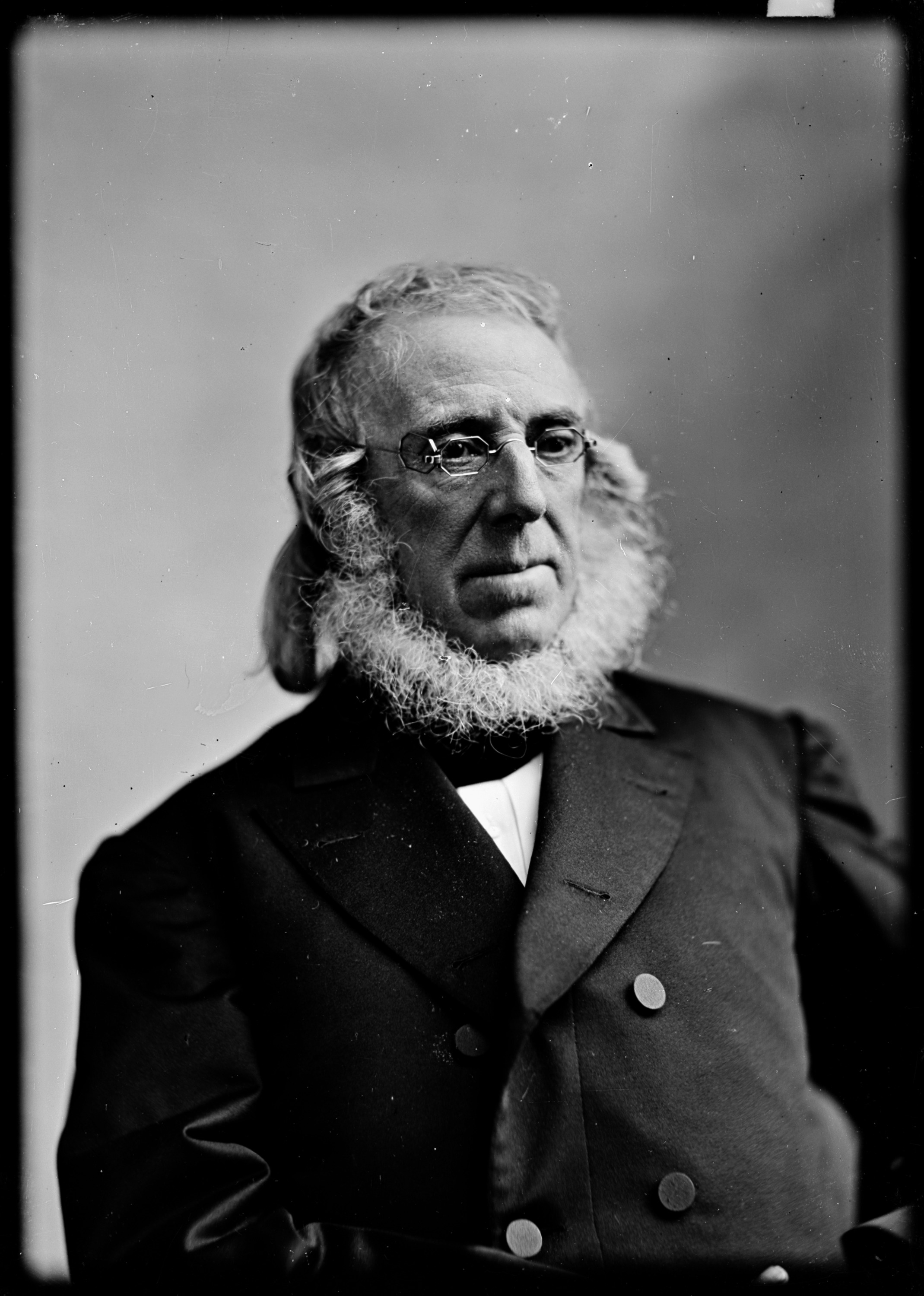
Inventor, Industrialist & Philanthropist
No Sentinel at His Door
An inventor who answered his own door on Lexington Avenue opened another to generations of students. His Gramercy neighbors helped turn railways, iron beams, and an Atlantic cable into a new world.
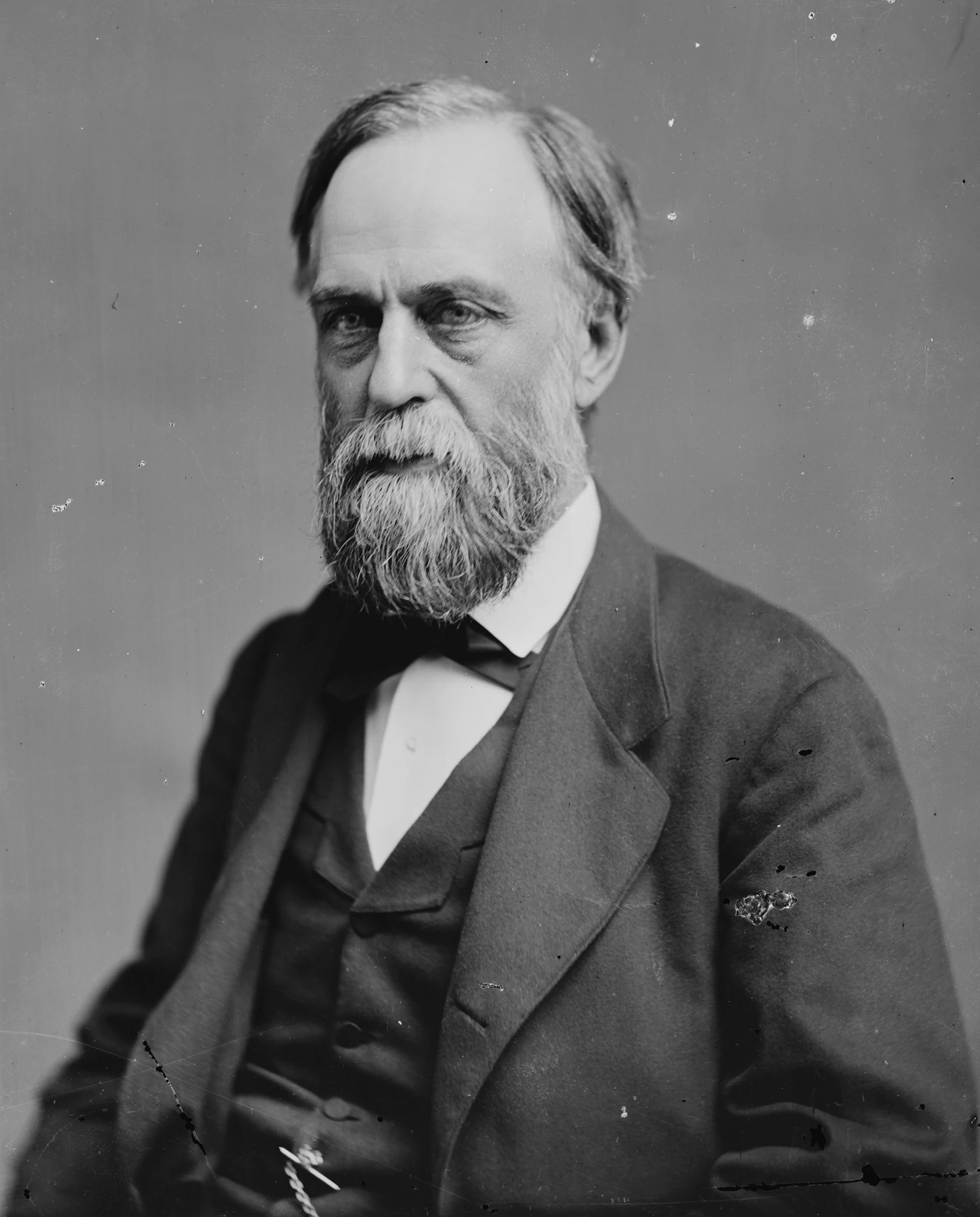
Ironmaster, mayor & Cooper Union steward
The mayor at 9 Lexington Avenue
From the Cooper family’s house on Lexington Avenue, Abram Hewitt ran an iron business, guided a free school and helped plan New York’s first subway.
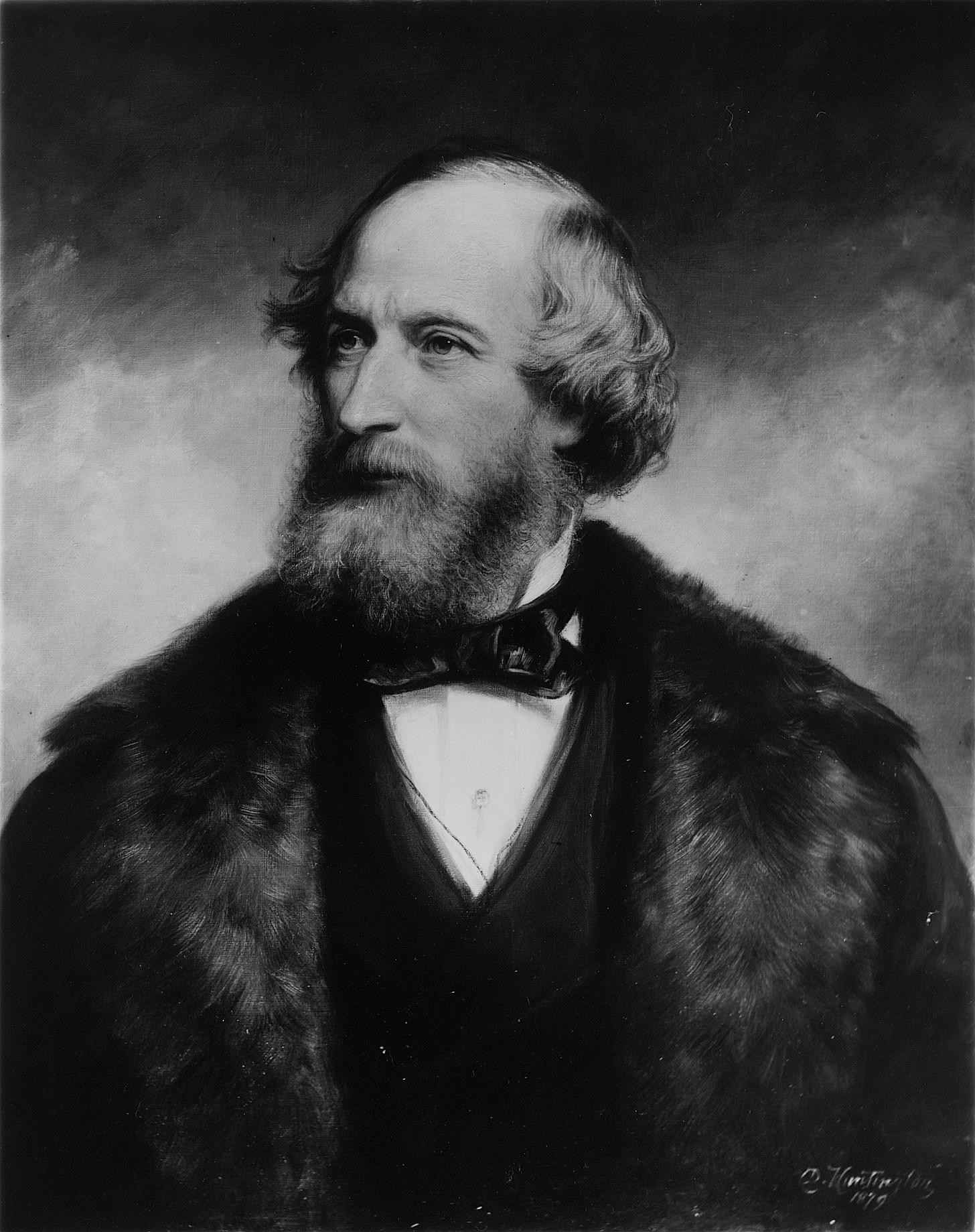
Merchant & Atlantic Cable Pioneer
An Ocean Beyond the Library Window
In his Gramercy Park library, a retired paper merchant imagined a cable across the Atlantic. Cyrus Field spent twelve years turning that vision into a working connection between continents.
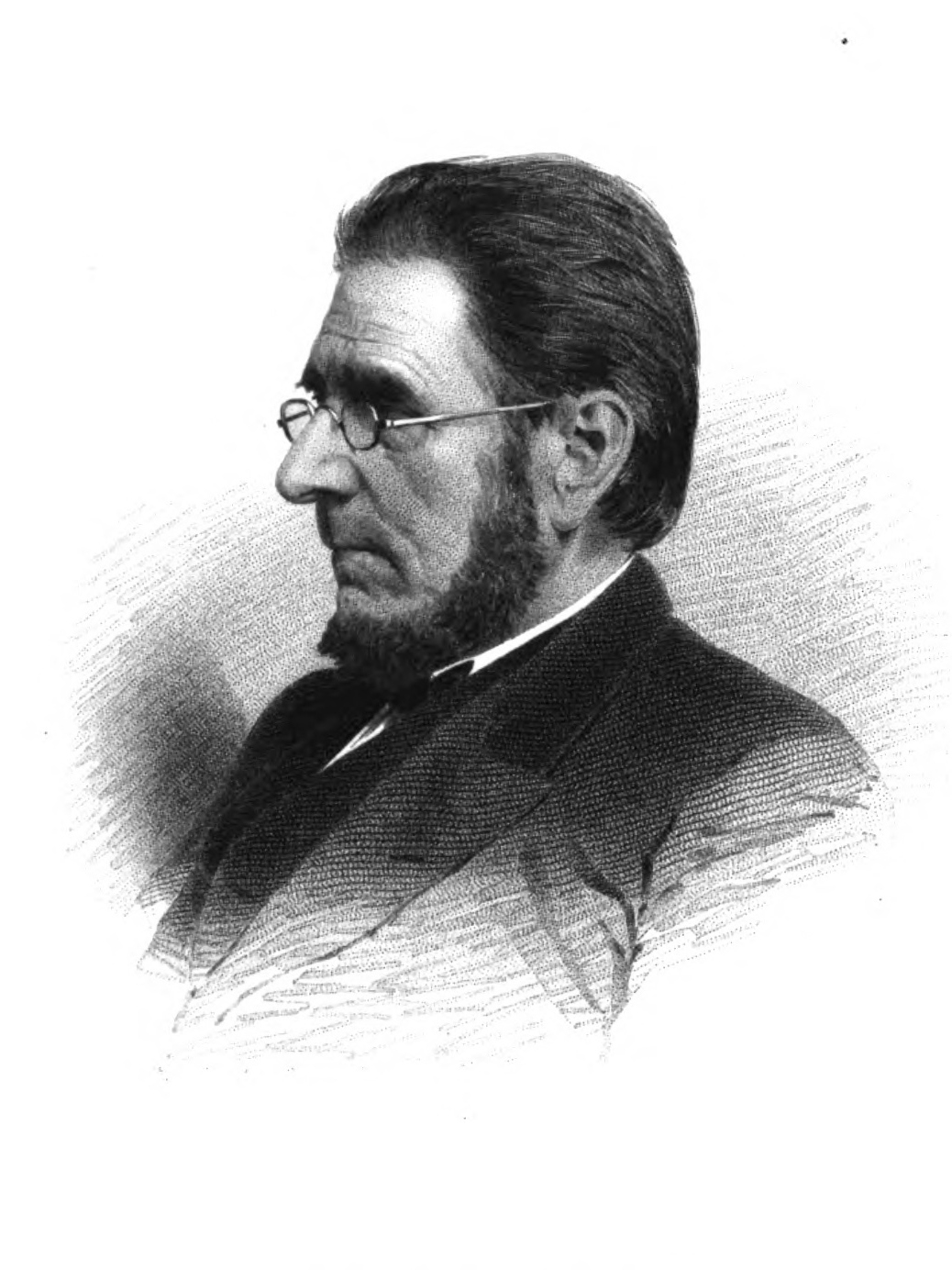
Publisher, Mayor & Philanthropist
The Mayor’s Lamps on Gramercy Park
A printer from Long Island helped turn books into an American household habit, then spent a turbulent year as New York’s mayor. His lamps still mark the house where he lived for twenty-two years.
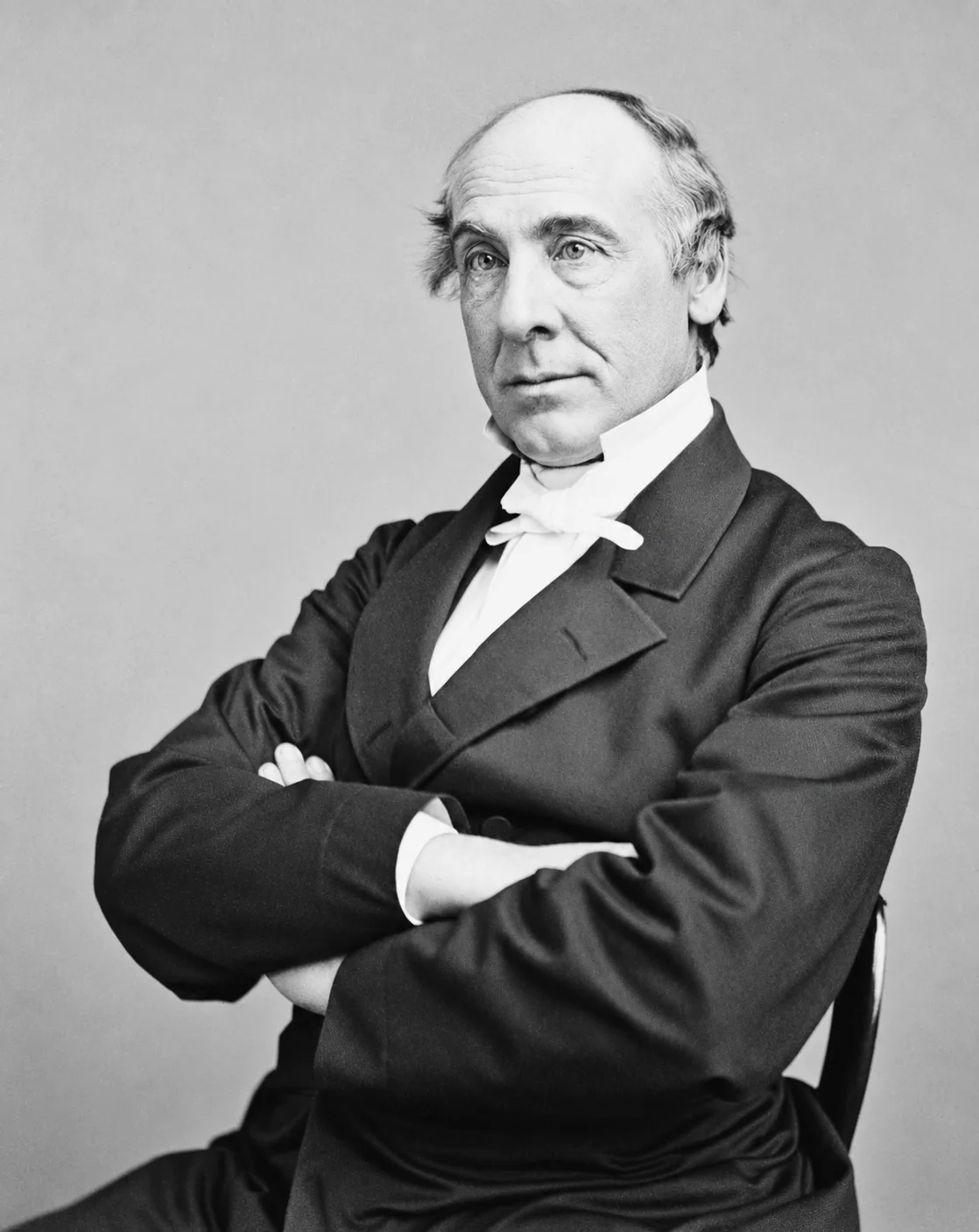
Clergyman, Civic Reformer & Sanitary Commission President
The Minister at the Nation’s Bedside
Behind the striped walls of All Souls, a Gramercy minister organized an extraordinary national effort to care for Union soldiers. His work reached from the sickroom and the White House to the theater, the museum, and a basement filled with flowers.
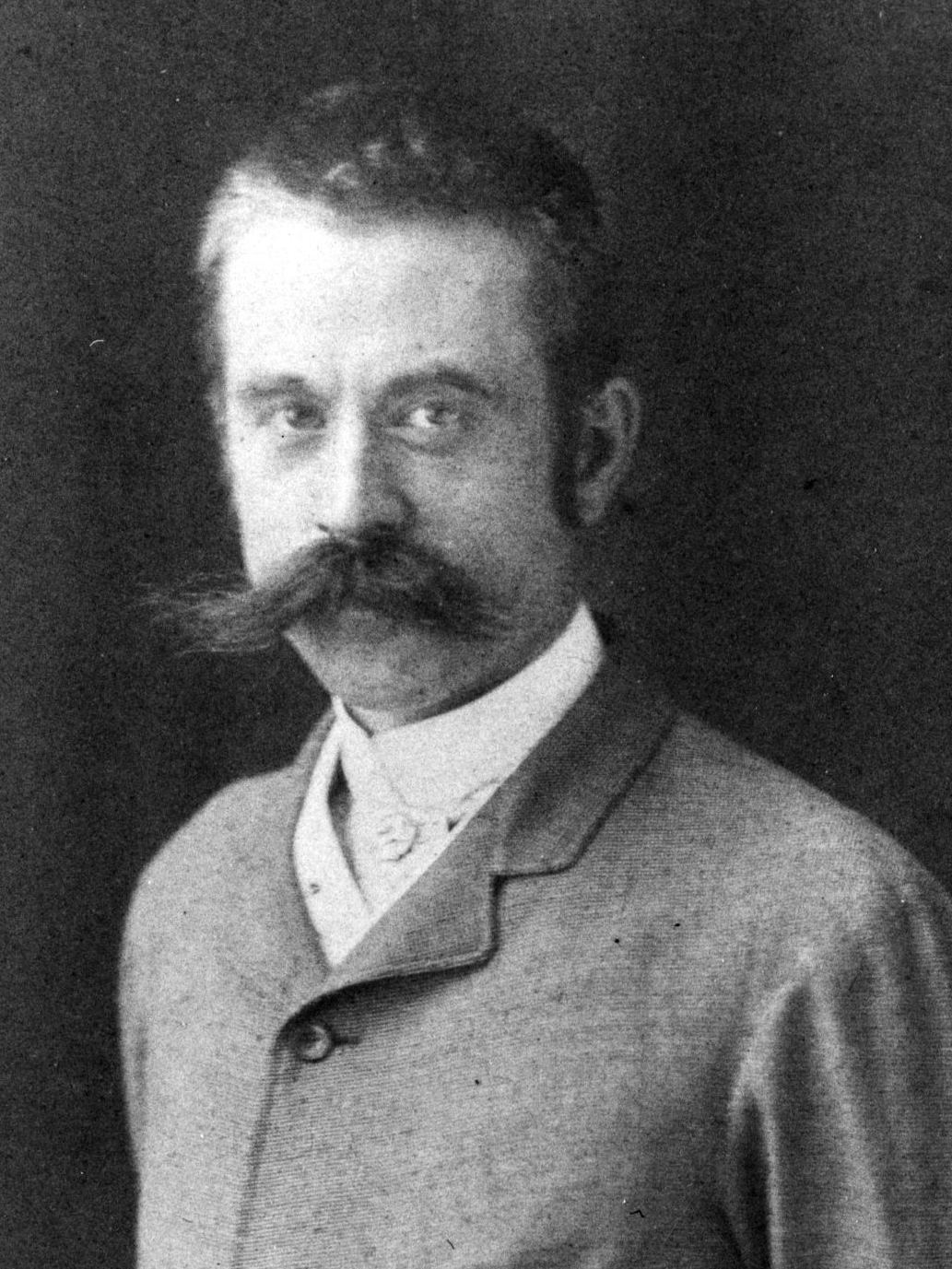
Architect, Designer & Impresario
The Architect Who Remodeled Gramercy Park
Stanford White made Gramercy Park both a home and a workshop, filling his rooms with European treasures and reshaping the houses of his neighbors. His work at The Players and his friendship with Augustus Saint-Gaudens connected the neighborhood to a larger American artistic world.
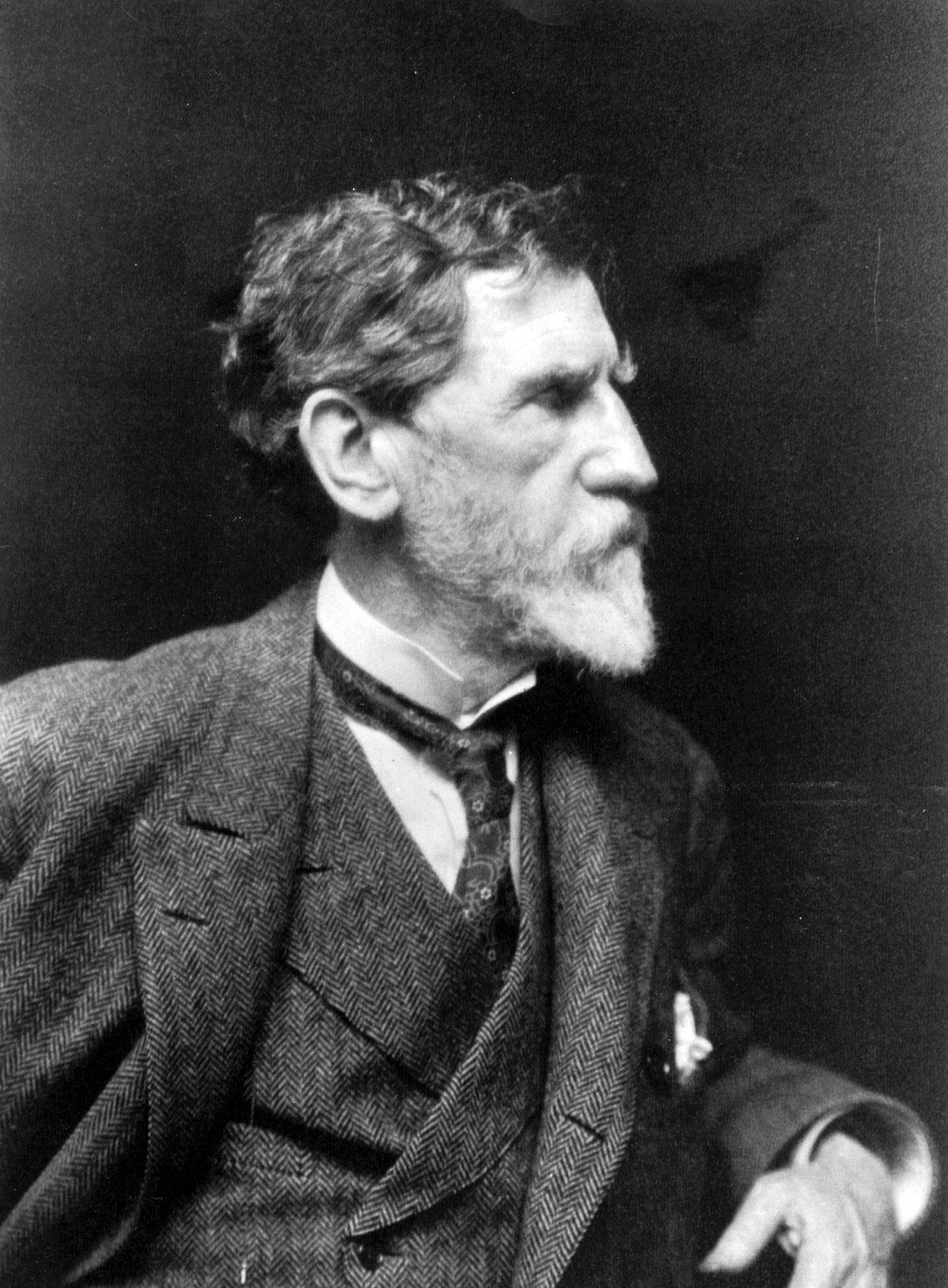
Sculptor & Medallist
The Shoemaker’s Son Who Shaped America
The son of a neighborhood shoemaker, Augustus Saint-Gaudens delivered boots to Gramercy households before becoming one of America’s leading sculptors. His friendships, teachers, and subjects returned him to these streets throughout his career.
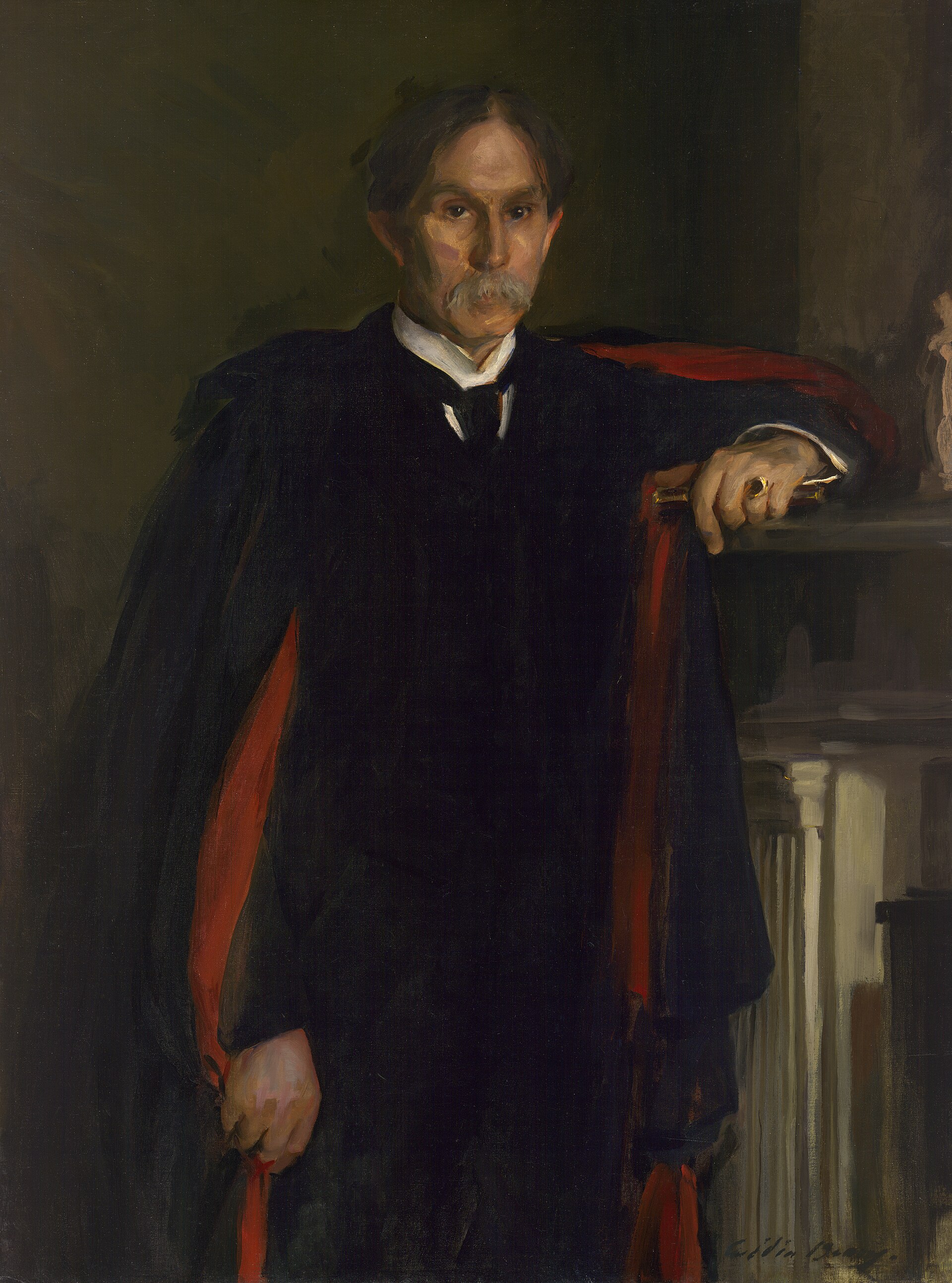
Editor, Poet, Civic Reformer & Co-op Pioneer
The Editor Who Brought His Friends Home
From a converted stable near Union Square to a cooperative overlooking Gramercy Park, Richard Watson Gilder gathered writers, artists, and reformers around him. The editor of The Century helped shape what America read—and how some of its New Yorkers lived.
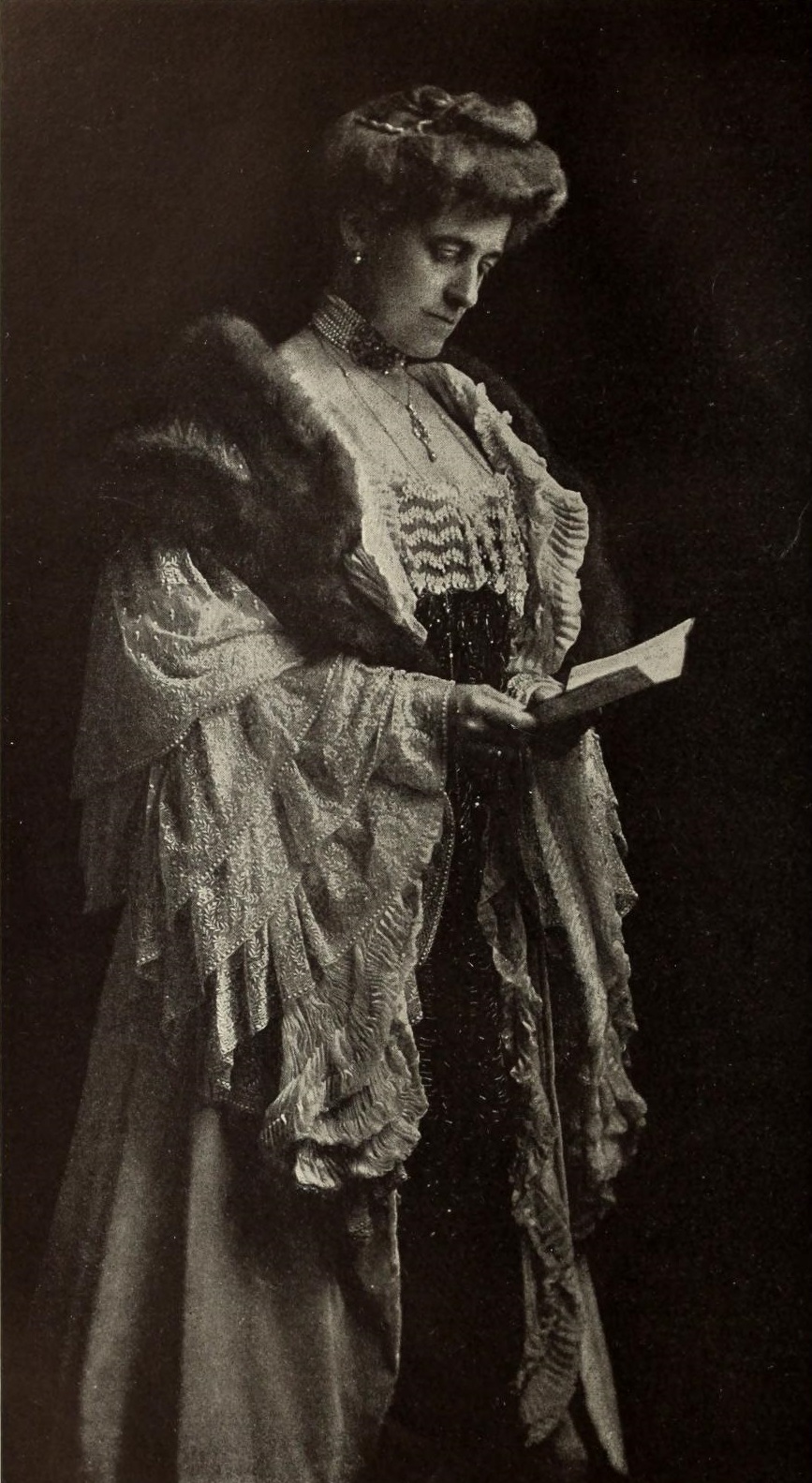
Novelist, Pulitzer Prize Laureate & Social Chronicler
The New York She Carried Away
A childhood refuge at Calvary Church, a formidable eye for houses and manners, and the New York Edith Wharton carried into her fiction.
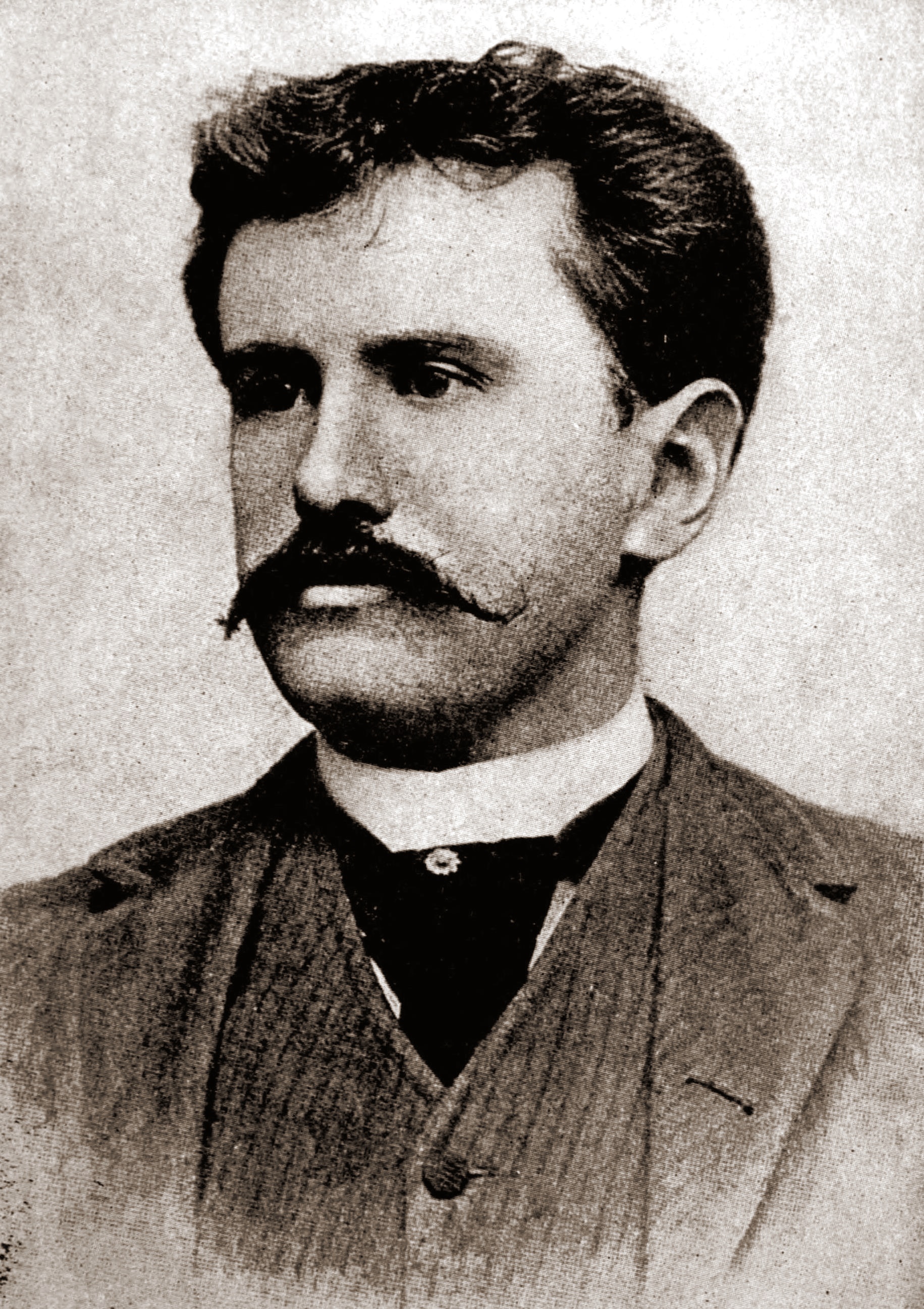
Short-Story Writer & Chronicler of the Four Million
The Storyteller Behind the Bay Window
At 55 Irving Place, William Sydney Porter watched New York pass his bay window. Writing as O. Henry, he turned its rented rooms, working lives, and Gramercy Park railings into stories read around the world.
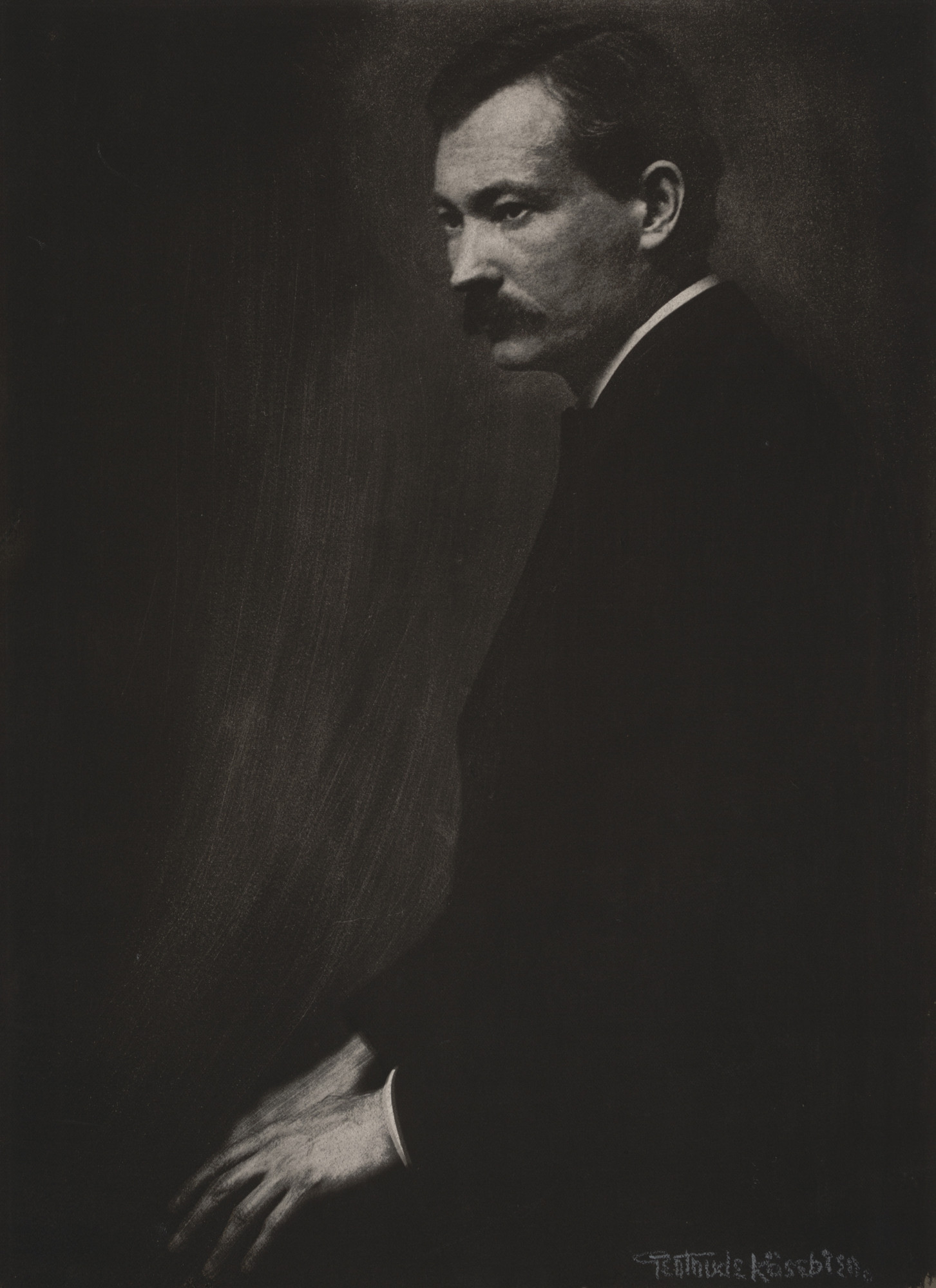
Painter, Teacher & Leader of The Eight
An Open Door Above the Park
Above Gramercy Park, Robert Henri and Marjorie Organ made a home where painters argued, drew, and found the courage to follow their own eyes.
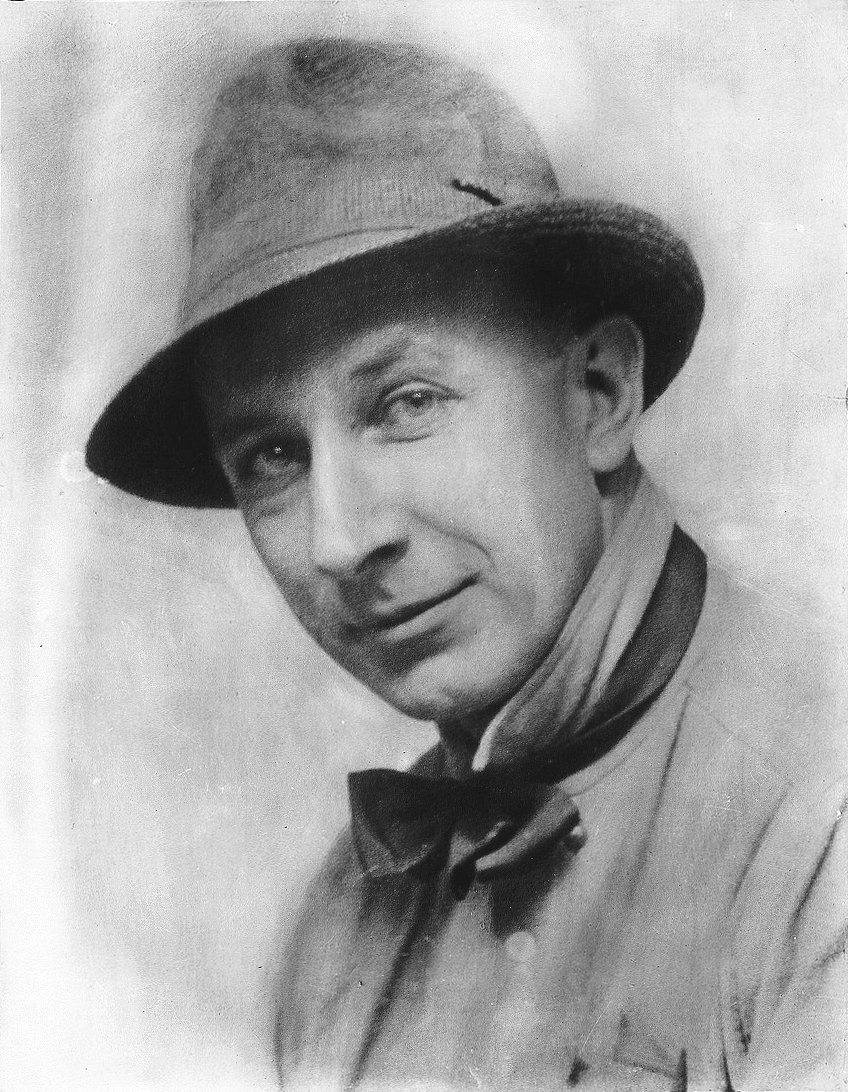
Painter, Lithographer & Ashcan School Master
The City’s Fury, the Park’s Light
From the studio at 146 East 19th Street, George Bellows painted the force of New York and the quieter world of Emma, their daughters, and Gramercy Park.

Novelist, satirist & night manager in Gramercy
The Night Manager Who Sheltered Literary Genius
Behind the night desk of the Kenmore Hall Hotel on East 23rd Street, Nathanael West read, wrote, sheltered an evicted Dashiell Hammett, and found the letters that inspired Miss Lonelyhearts.
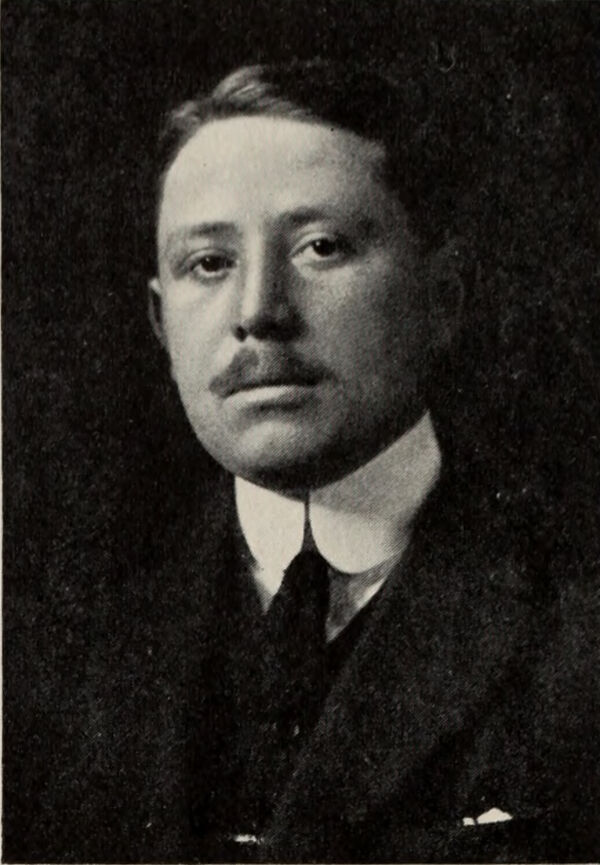
Music & Art Critic, Editor & Salon Host
The Irving Place Salon Where Modernism Found Its Voice
At 77 Irving Place, music and art critic Paul Rosenfeld gathered the writers, painters, and composers of The Dial—welcoming Georgia O’Keeffe, Alfred Stieglitz, Aaron Copland, and a young Robert Penn Warren.
A growing collection, one life at a time.
Explore the buildings around the Park →