
Margaret Hamilton
The Wicked Witch Upstairs
1902–1985 · Actress, teacher & Gramercy Park neighbor
At 34 Gramercy Park East, one of the most frightening figures in movie history was a profoundly kind neighbor.
The neighbor upstairs
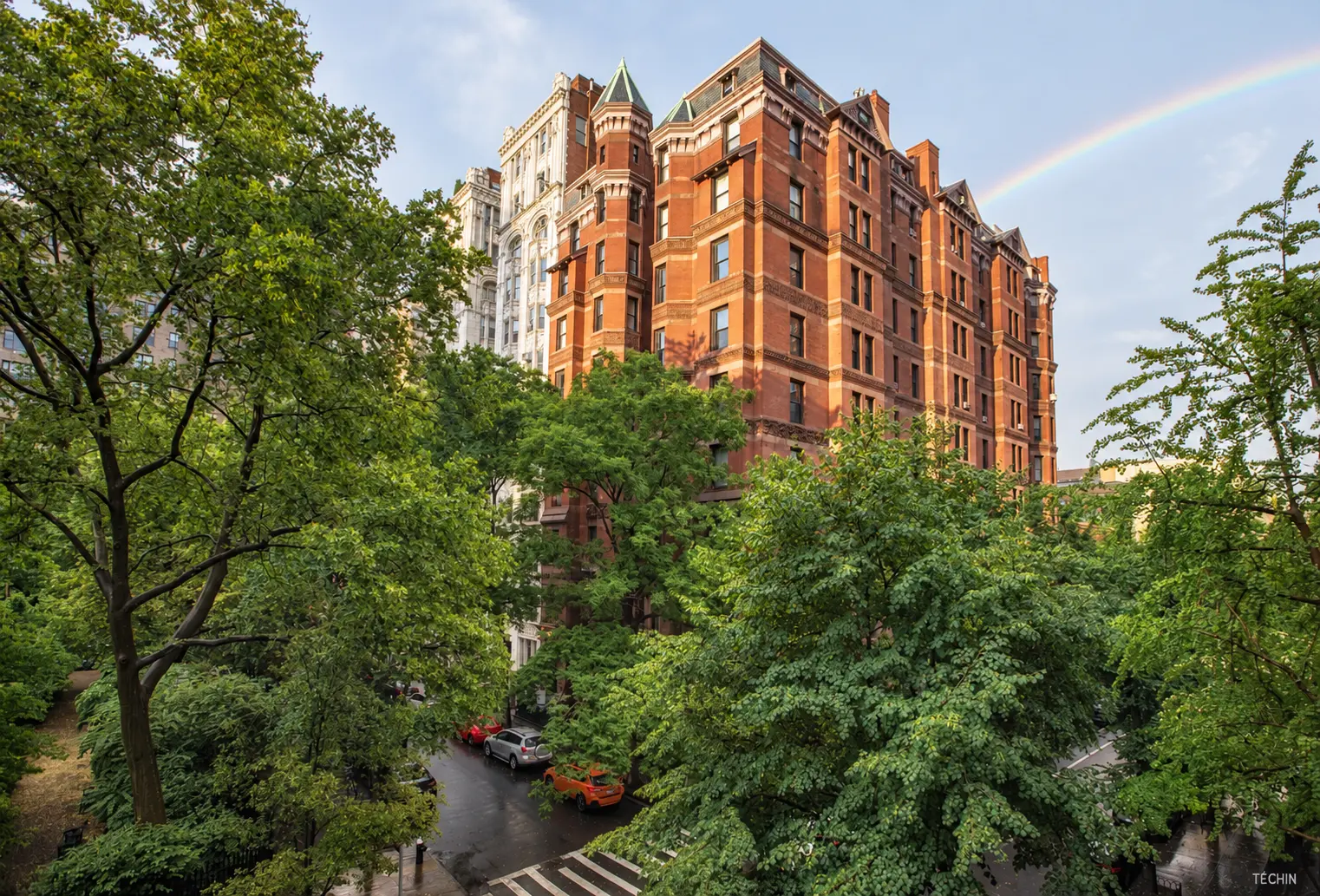
I was born and raised at 34 Gramercy Park East, but as a youngster there was one floor I would not go near.
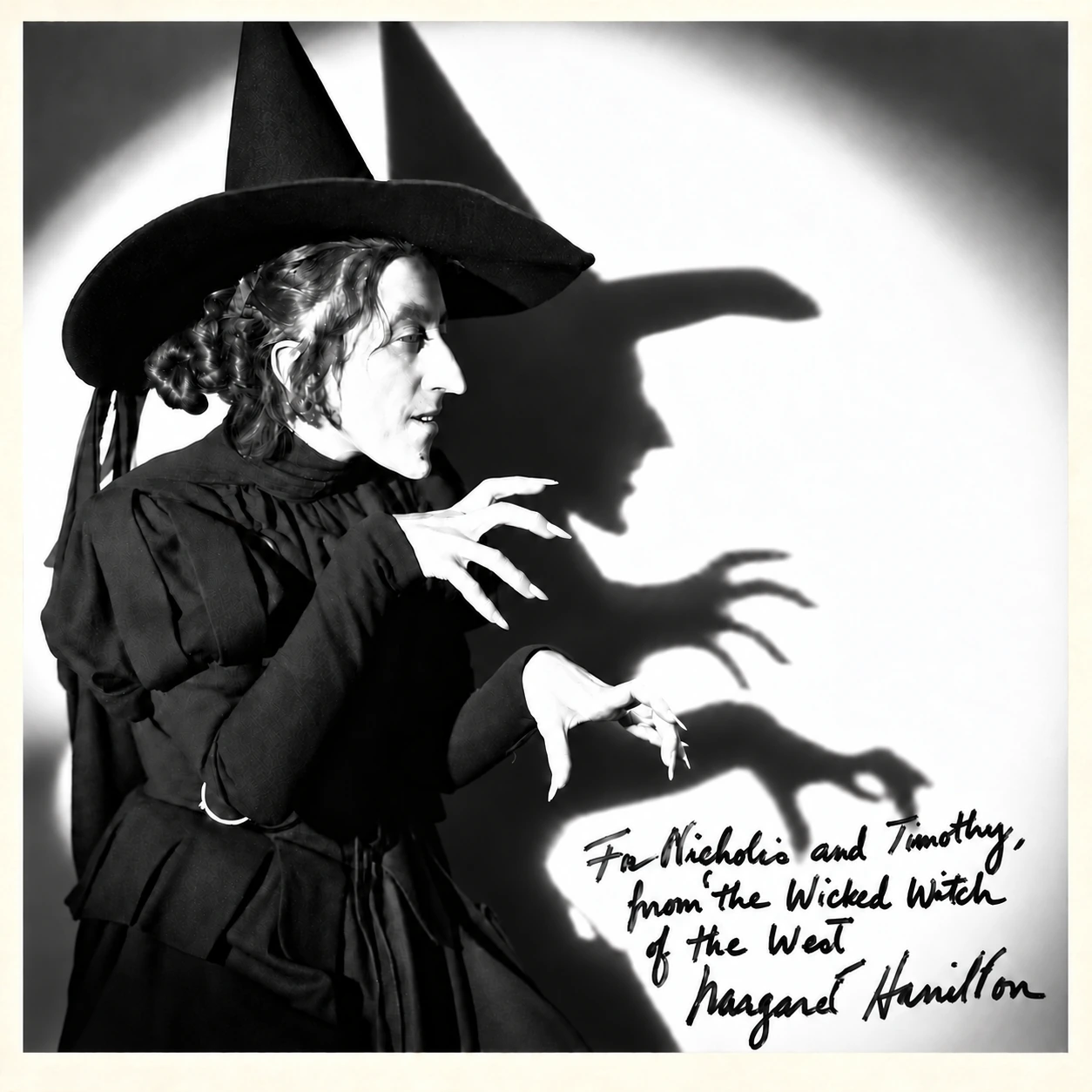
The ninth floor—the top, “attic” floor—was where Margaret Hamilton lived. To adults, she was an actress with a long and distinguished career. To me, the Wicked Witch of the West lived upstairs. I saw no reason to investigate further. My big brother, Nicholas, was equally terrified.
When I eventually met her, I remember her as profoundly kind. She signed a photograph of herself as the Witch for Nicholas and me.
Hamilton spent much of her life helping children reconcile the woman they met with the Witch who had threatened Dorothy and Toto. “She was constantly trying to reassure children that this was make-believe,” her son recalled in her New York Times obituary.
She had, after all, been exceptionally convincing.
The schoolteacher who went to Hollywood
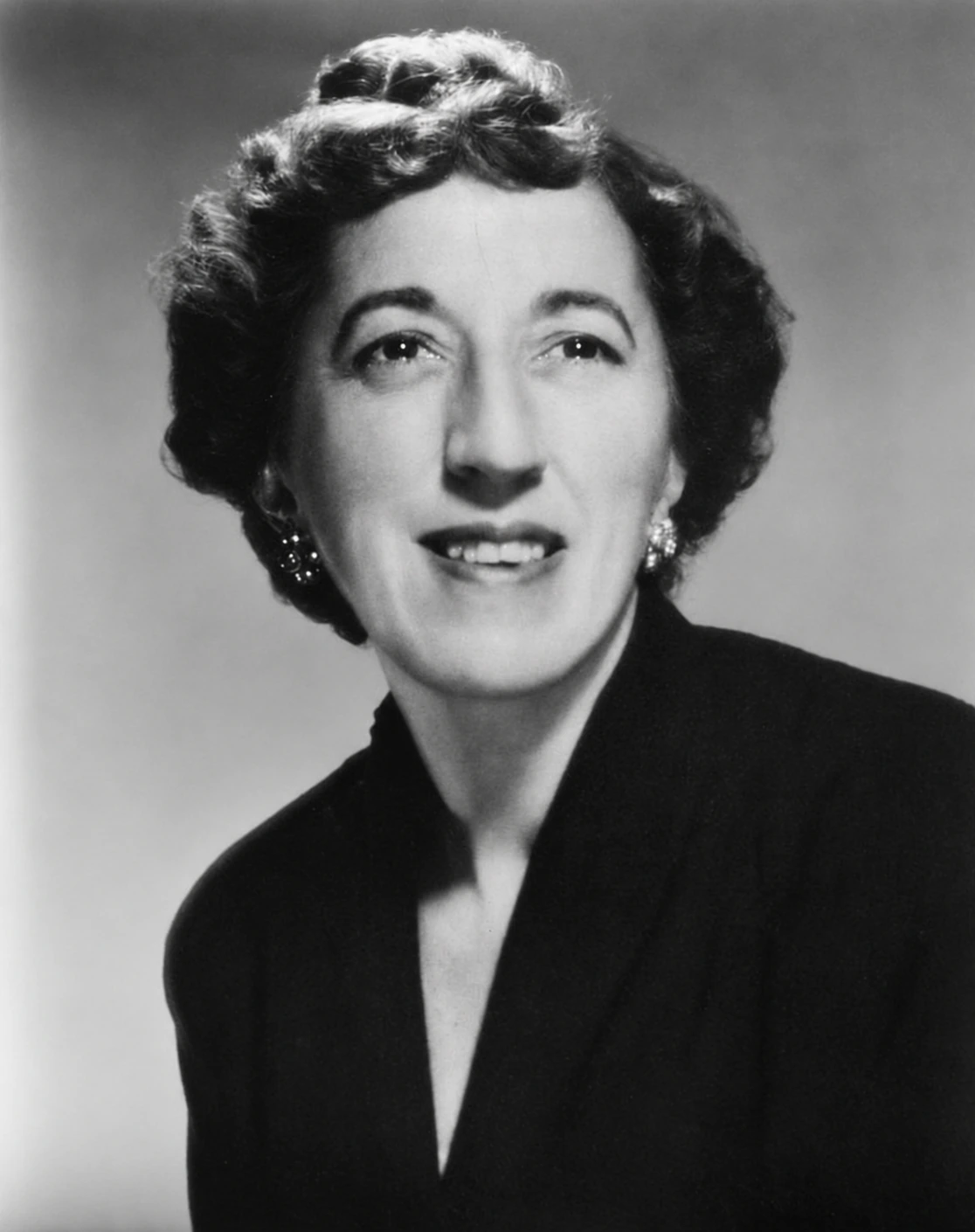
Born in Cleveland in 1902, Hamilton wanted to act, but her parents wanted her to have a dependable profession. She trained at the Wheelock Kindergarten Training School in Boston (later Wheelock College), graduating in 1923, and became a teacher. Alongside children’s productions with the Junior League of Cleveland, she honed her stagecraft at the Cleveland Play House. Long before she frightened children for a living, she had learned how to hold their attention.
Hamilton’s route to Broadway had an unexpected turn. According to her New York Times obituary, she was teaching kindergarten at Rye Country Day School when she helped a friend audition for the 1932 play Another Language. Hamilton came away with a part herself: Helen Hallam, a waspish wife. The play became a surprise hit, and its film adaptation took her to Hollywood.
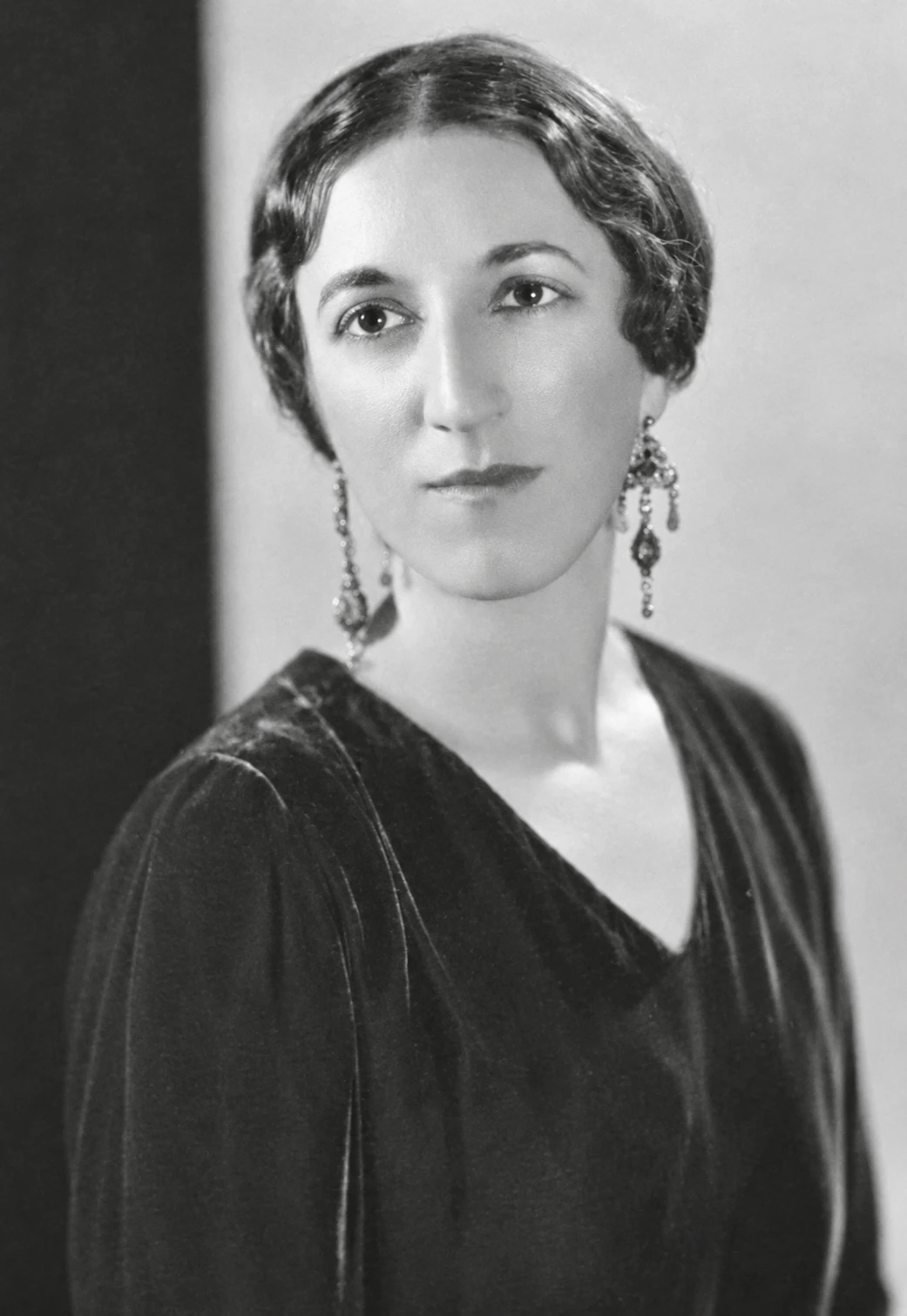
In Hollywood, Hamilton was also a working mother. Her marriage to Paul Meserve ended in divorce in 1938, leaving her to raise their young son, Hamilton, known as Ham. Her grandson Scott later explained that she resisted the restrictions of a studio contract because she wanted control over the work she accepted and the time she spent raising her child. Behind the memorable face was a woman making practical decisions about earning a living.
Becoming the Wicked Witch
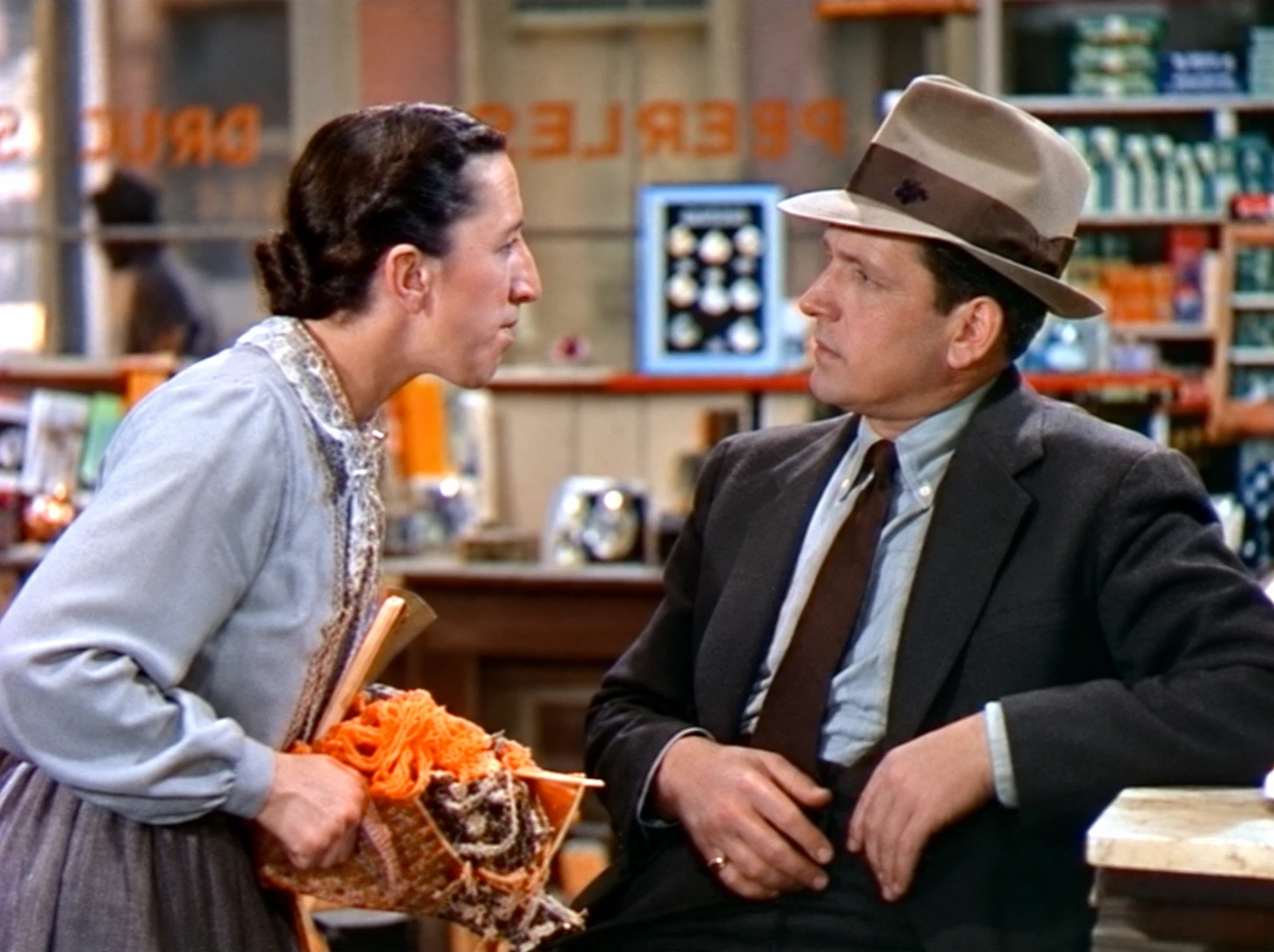
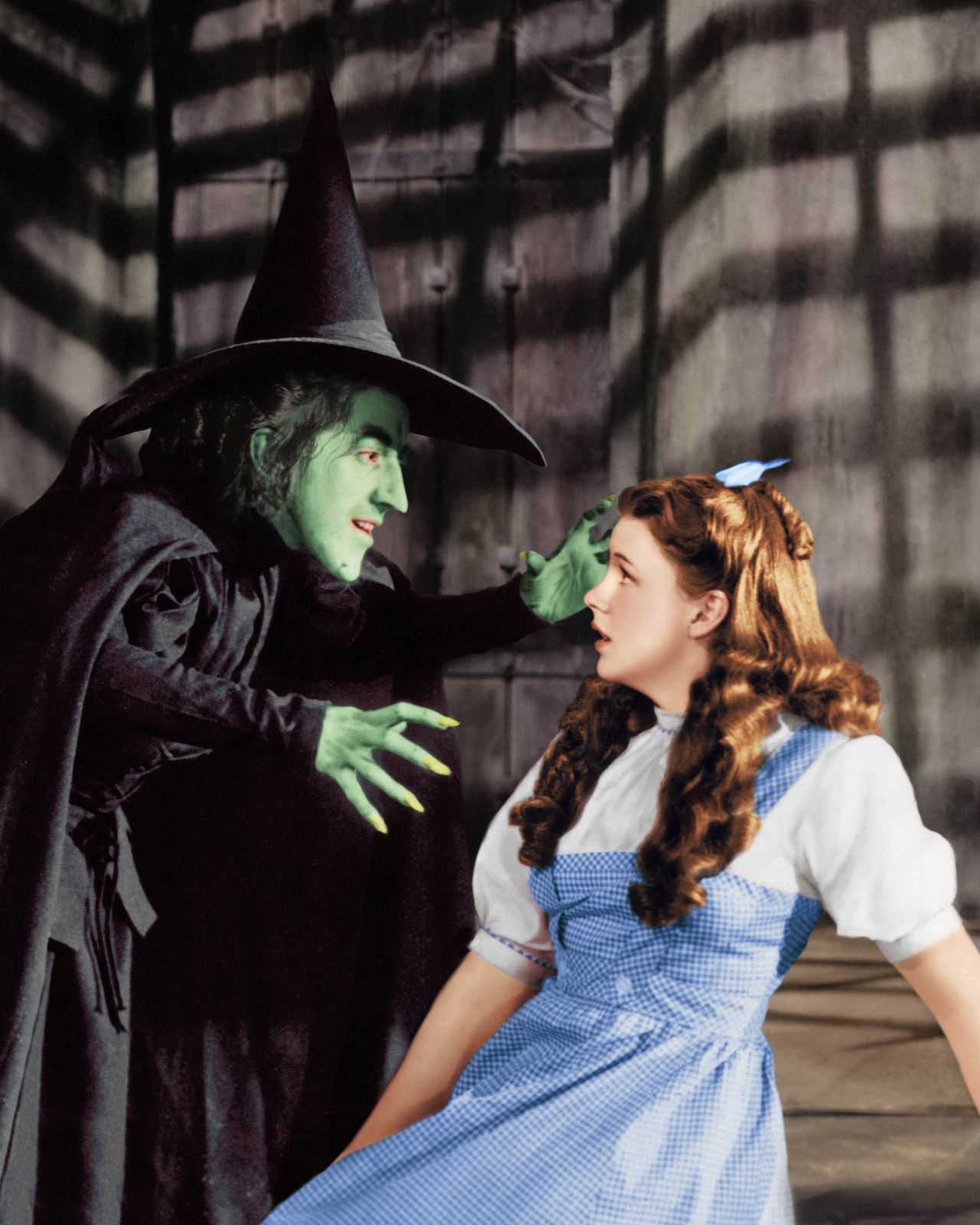
Then came The Wizard of Oz, released in 1939, in which she played both the Wicked Witch of the West and her severe Kansas counterpart, Miss Almira Gulch—the neighbor who arrives with a sheriff’s order to take Toto away. Hamilton herself told the casting story with considerable amusement. When her agent called about a part in The Wizard of Oz, she was delighted: she had loved the book since childhood. Then she asked which part. “The Witch,” he told her. “The Witch?!” she replied. “What else?” Her retelling suggests a performer who understood exactly how Hollywood saw her—and knew how to make a good story of it.
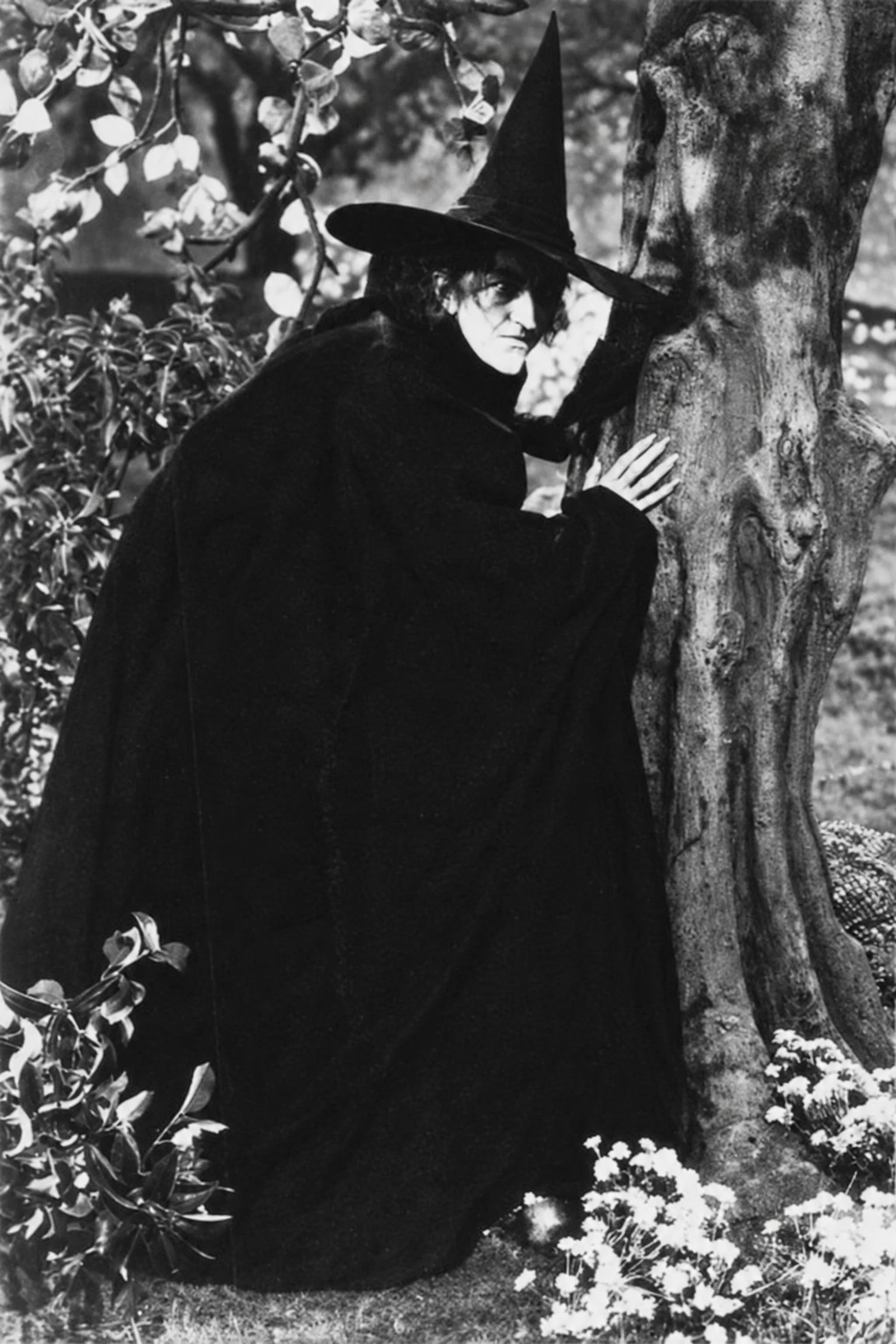
The Witch might have looked quite different. During the film’s development, a more glamorous, seductive version was considered, with Gale Sondergaard a leading candidate. When the conception shifted toward a frightening, ugly witch, Sondergaard withdrew and Hamilton took the role. Her performance made the character unmistakable: the jutting chin, the stabbing finger, the voice that could turn a promise into a threat.
Making that magic was dangerous. During the filming of her fiery departure from Munchkinland, a mistimed effect left Hamilton with serious burns to her face and hand. She spent six weeks recovering before returning to work, insisting that she would take no further part in fire effects. Her caution proved well-founded when her stand-in, Betty Danko, was badly burned by an exploding smoke pipe during the skywriting sequence. The terrifying apparition on screen had been created by an actress willing to return to a production that had badly injured her.
The role that kept finding her
The film’s arrival on television in 1956 brought her performance into people’s homes and introduced it to successive generations of children. A role she had filmed in her thirties kept meeting new audiences long after she had moved on to other work.
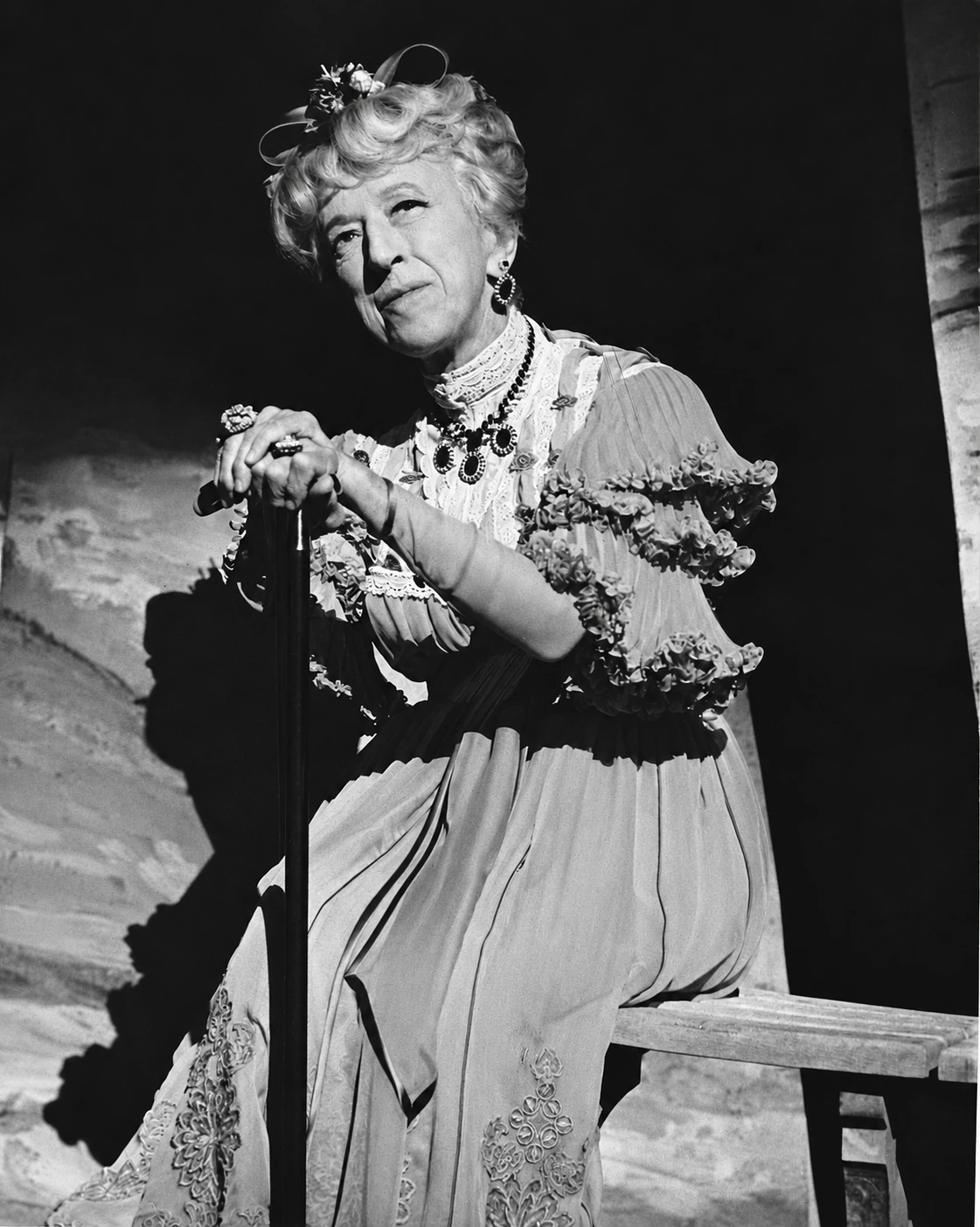
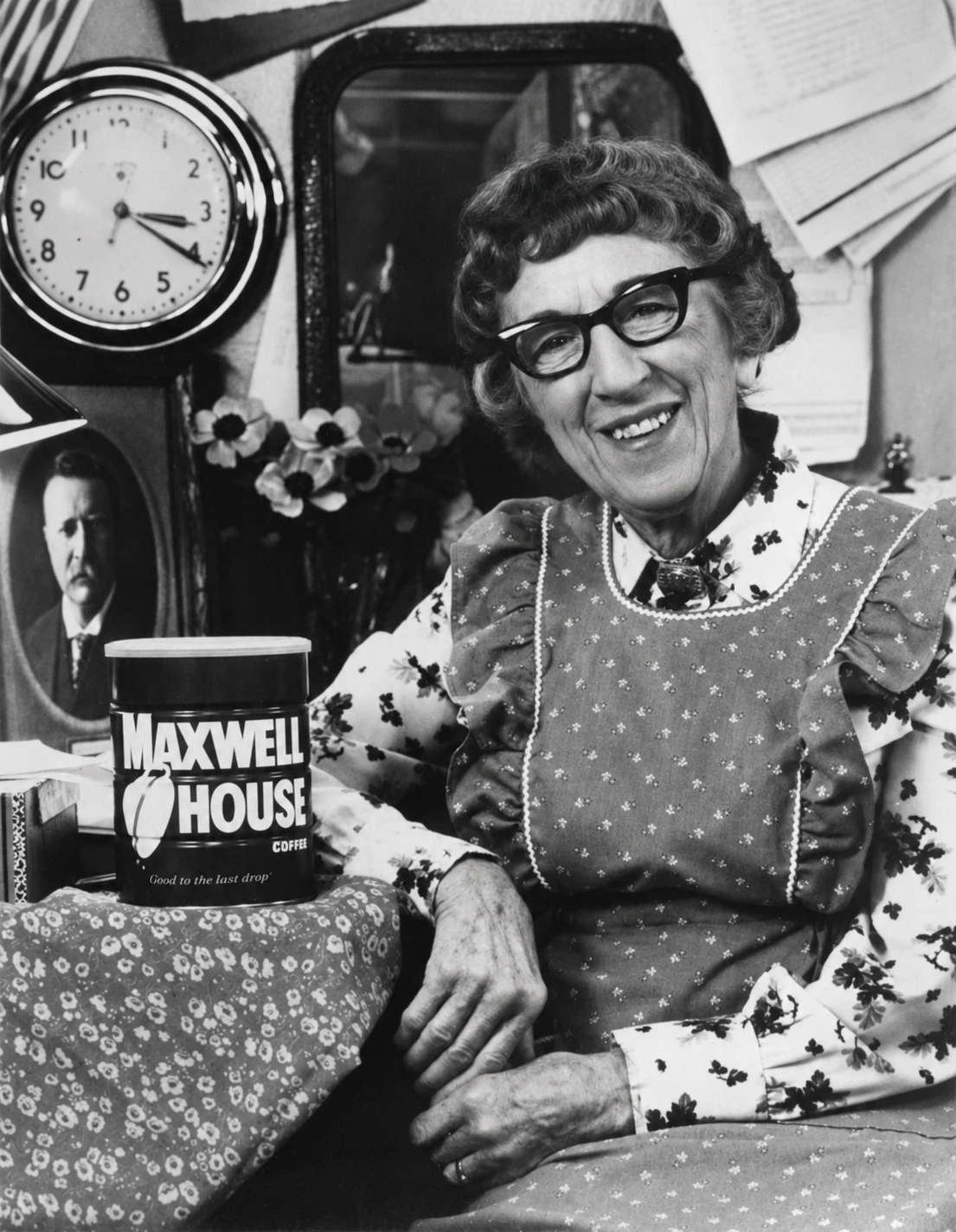
The Witch was one role in a much longer career playing women who could make everyone else in a room uncomfortable. She disapproved of Mae West in My Little Chickadee, worked as a political boss’s maid in Frank Capra’s State of the Union, and became an ill-tempered dowager in Robert Altman’s Brewster McCloud. In the 1970s, television audiences also came to know a warmer side of her as Cora, the briskly charming general storekeeper in the long-running Maxwell House coffee commercials. Her authority, timing, and wonderfully expressive face kept her working across very different eras of American entertainment.
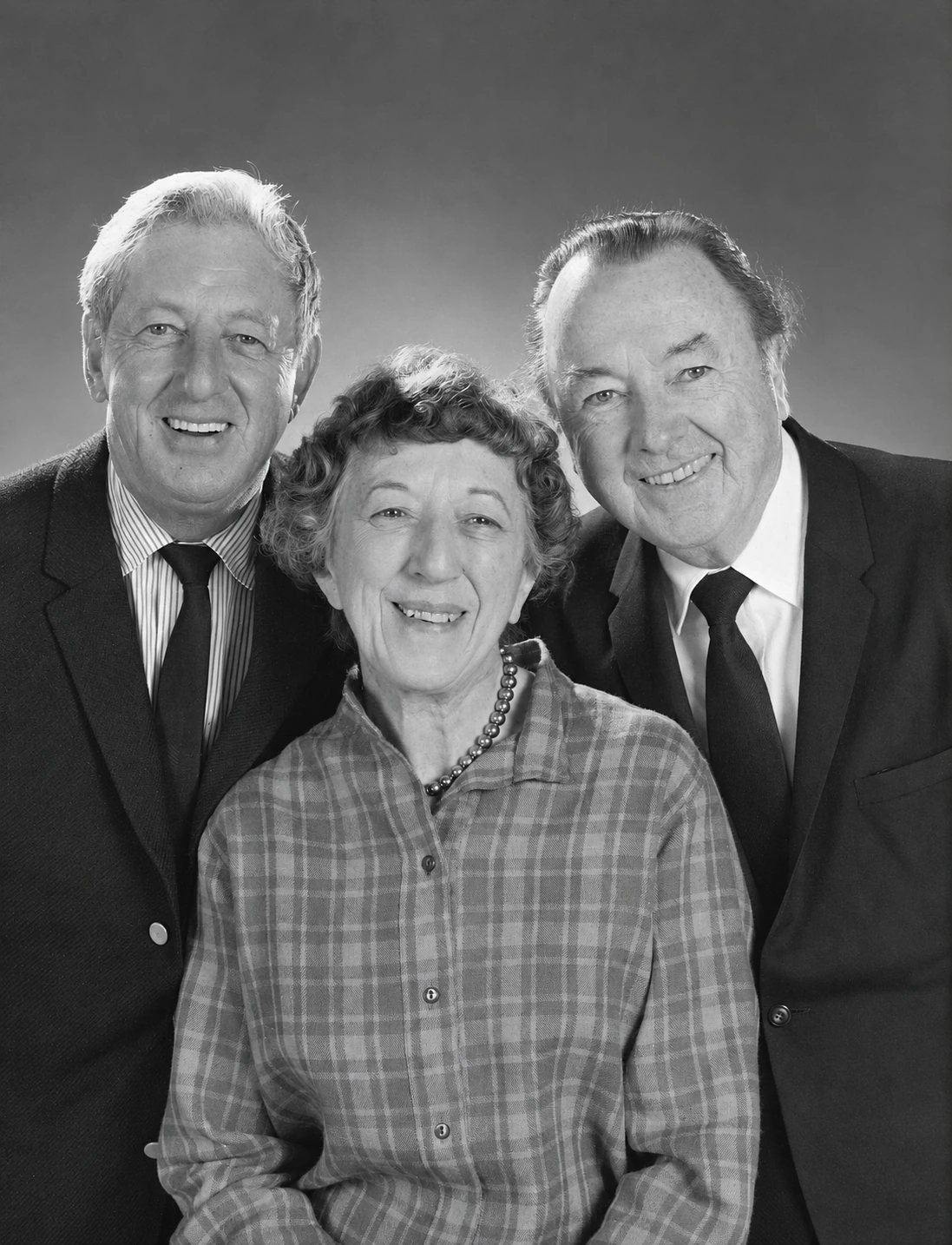
She repeatedly returned to the stage, interrupting her film work for repertory and regional productions. New York audiences saw her in Show Boat and Oklahoma! at Lincoln Center. During the mid-1970s, she spent 51 weeks touring as Madame Armfeldt in Stephen Sondheim’s A Little Night Music.
On television, she played Morticia’s mother, Hester Frump, in The Addams Family.
Showing children how it worked
Yet the Witch required a particular kind of attention away from the camera. In 1975, Hamilton visited Mister Rogers’ Neighborhood. Sitting with Fred Rogers, she discussed the makeup and the work of pretending, then put on elements of the costume where children could see the transformation happen. She acknowledged that knowing children were frightened by her made her unhappy. Here was a former teacher patiently explaining how an illusion worked, with one of television’s most trusted adults beside her.
She also had a thoughtful explanation of the character herself. The Witch enjoyed what she did, Hamilton told Rogers, but she was frustrated: she possessed considerable power and kept wanting more. Hamilton invited children to consider her point of view. Decades before Wicked made the Witch’s inner life its subject, the actress who had made her famous was already thinking about what drove her.
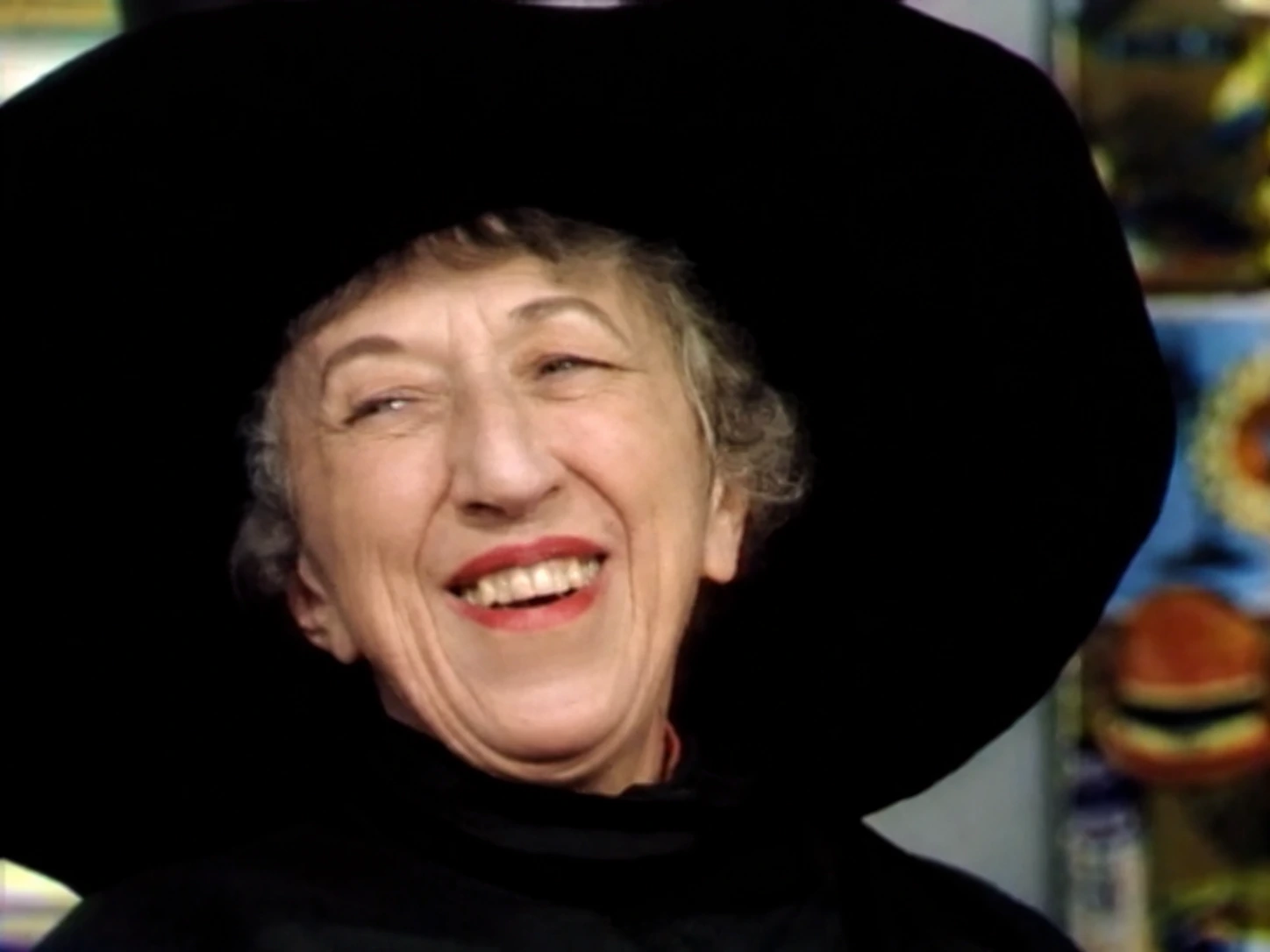
Her patience with children extended well beyond television appearances. Writer Paul Miles Schneider recalled meeting her backstage during her Oklahoma! engagement when he was six. She answered his questions about flying, turning green and melting, explaining the theatrical machinery behind the effects. Later, when his second-grade class was assigned to find pen pals, he chose Margaret Hamilton. She agreed, and corresponded with him throughout the school year.
It is difficult to improve upon the idea of having the Wicked Witch of the West help you complete a school assignment.
A life beyond the screen
Education remained a serious commitment throughout Hamilton’s life. She served on the Beverly Hills Board of Education from 1948 to 1951. In New York, her volunteer work included reading stories to children at the Hans Christian Andersen statue in Central Park and working with organizations serving disabled veterans and blind people. The skills that made her such an effective performer were useful in quieter settings, too.
Away from the city, she had another home that seems almost improbably suited to a storybook character. In 1961, she and Ham bought Cape Island off the Maine coast. The farmhouse had no electricity; she used kerosene lamps and stoves, wore jeans and sneakers, and rowed between the island and the mainland. Local lobstermen got to know her and watched out for her. Tour boats sometimes called it “Witch’s Island.” Hamilton loved the rocks, the water and the independence of life there.

The woman on the ninth floor
In 1977, Associated Press reporter Burt Berliner visited Hamilton at her Gramercy Park apartment while a beautician curled her hair in a kitchen chair. She put on a plain cloth coat to go out for lunch; at a restaurant around the corner from her co-op, she ordered eggs Benedict and black coffee.
She told Berliner that people stopped her on the street to ask when her shop opened. They recognized Cora, the storekeeper she played in coffee commercials, and wanted to visit. Hamilton had to explain that the shop was a set in a Queens television studio. Some still hoped to come by on Sunday.
At 34 Gramercy Park East, she even turned her screen persona into a neighborhood gift. She started the building’s annual Halloween tradition of lining the hallways with carved, candle-lit pumpkins and baskets of candy and freshly baked cookies—and, on at least one occasion in the 1960s, hung her Wicked Witch costume in her doorway to greet the children who rang her bell.
Upstairs, she was also a grandmother receiving visits from her family. Scott Meserve remembered coming into the city and going upstairs to see her. At restaurants, actors would interrupt to introduce themselves, while her grandchildren wished they could keep her attention to themselves for a little longer. Even Scott remembered being frightened before an early encounter with her, after his father announced that the woman with the green face was coming to visit.
That makes me feel rather better about the ninth floor.
Hamilton died in 1985, at eighty-two. Her performance continues to find children who have never seen it before, and who may need reassuring afterward.
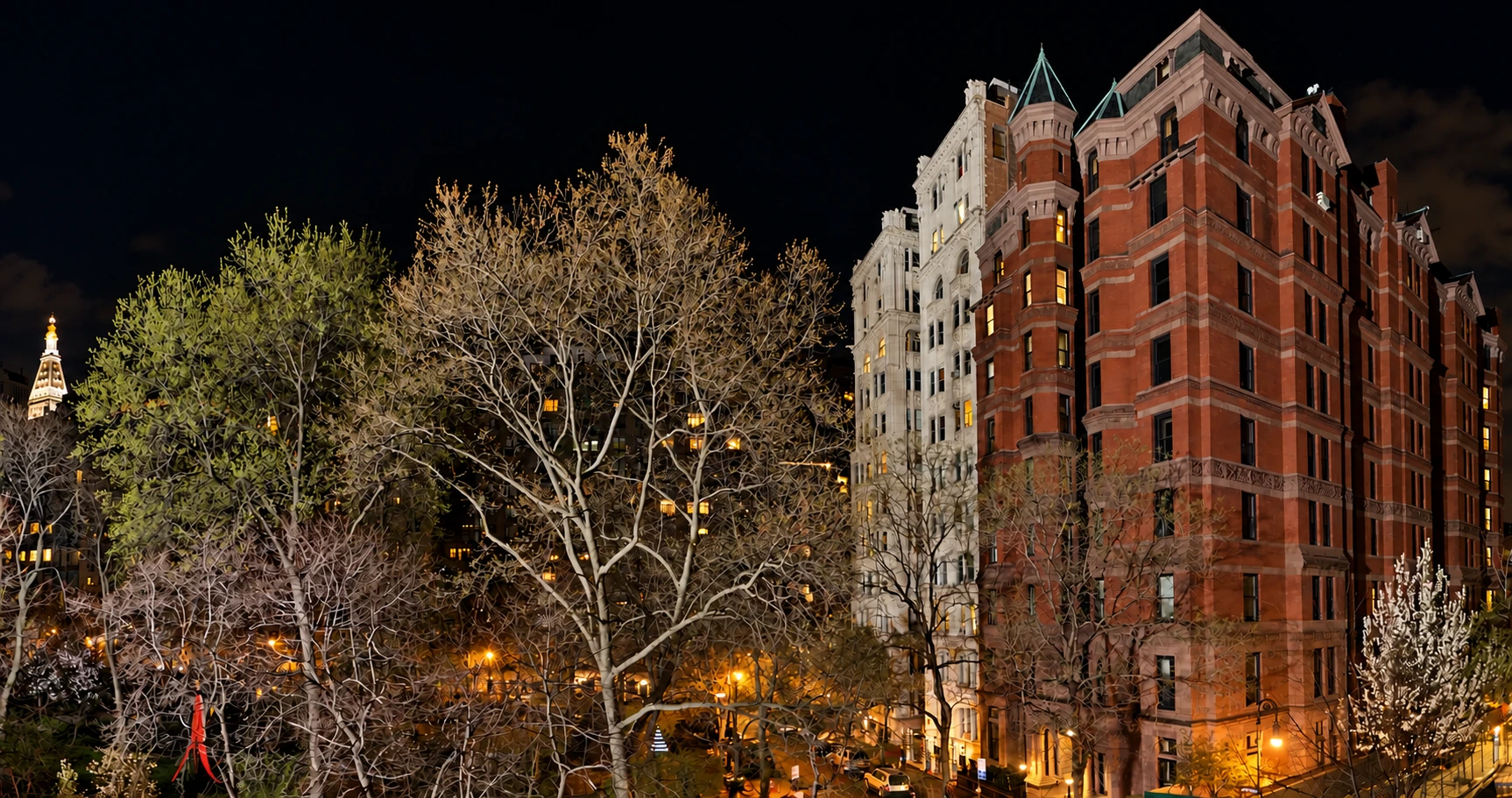
For me, she remains part of the childhood geography of Gramercy Park: the woman at the top of a familiar building whom my brother and I were terrified to meet, and whose kindness I remember all these years later.
Life at a glance
- Life
- 1902–1985
- Gramercy address
- 34 Gramercy Park East
- The apartment
- Ninth floor—the top “attic” floor, as Tim Cohen remembers it
- Before acting
- Kindergarten teacher; Wheelock graduate, 1923
- Best-known role
- The Wicked Witch of the West, The Wizard of Oz (1939)
- A working career
- More than seventy films, alongside stage, radio and television work
Sources cited
The childhood recollections and the description of Hamilton’s apartment are Tim Cohen’s. The accounts of her career and family draw on the sources below.
- Joseph Berger, “Margaret Hamilton, 82, Dies; Played Wicked Witch in ‘Oz,’” The New York Times, May 17, 1985. Obituary excerpt supplied by Tim Cohen.
- Boston University, “Dorothy’s Red Slippers, the Wicked Witch, and Wheelock.”
- The Junior League International, Margaret Hamilton.
- Bratenahl Historical Society, Margaret Hamilton.
- Eric Kohn, interview with Scott Meserve, Southampton Playhouse, August 14, 2025.
- CINEKYD Media Archive, filmed conversation with Margaret Hamilton, 1982.
- Turner Classic Movies, The Wonderful Wizard of Oz: 50 Years of Magic.
- Fred Rogers Productions, Margaret Hamilton’s 1975 appearance. See also the PBS documentary transcript, It’s You I Like.
- Paul Miles Schneider, “An early audience with the Wicked Witch of the West…”
- Laurie Schreiber, “Wizard of Oz ‘witch’ loved her Maine island,” Island Institute.
- Burt Berliner, “‘Wicked Witch’ Still Cackling at 75,” Associated Press, Daily Pilot, December 3, 1977, PDF page 22. Contemporary interview at Hamilton’s Gramercy Park apartment and a nearby restaurant; Newport Beach Public Library newspaper archive.
- Case Western Reserve University, Encyclopedia of Cleveland History, “Hamilton, Margaret.”
- American Film Institute, AFI Catalog of Feature Films, The Wizard of Oz (1939).
- Rhiannon Skye McLean, “Behind the Curtain: A Look at The Wizard of Oz’s Difficult Production 85 Years Later,” American Heritage Center, University of Wyoming, August 5, 2024.
- Tom Miller, “The Gramercy - 34 Gramercy Park,” Daytonian in Manhattan, March 28, 2019.
- Further reading: Cleveland.com on the life and times of Margaret Hamilton and her biographer.