
Gramercy history · 2003–2017
Preserving the Block Association’s neighborhood records
A letter, a photograph, a child’s drawing: small things carry a neighborhood’s memory. Preserving them helps the next generation understand the people behind the work.
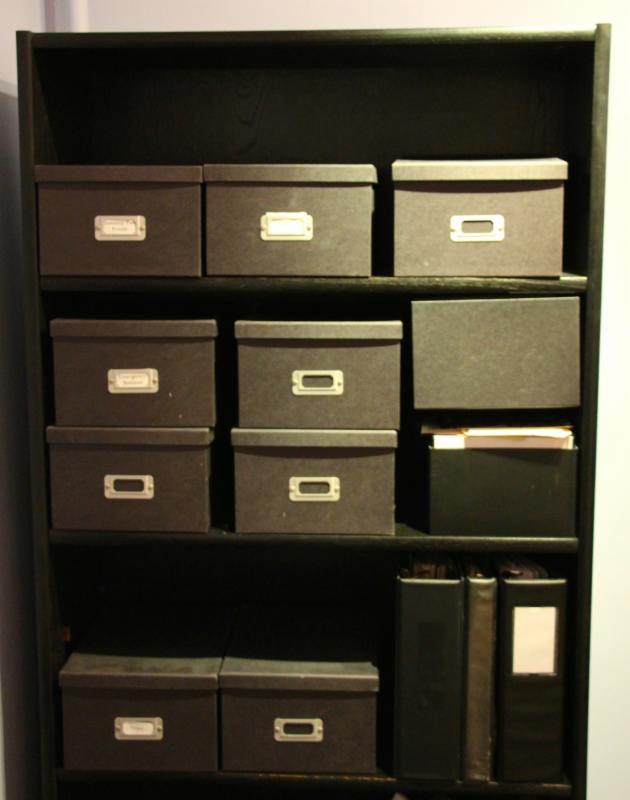
The records behind the work
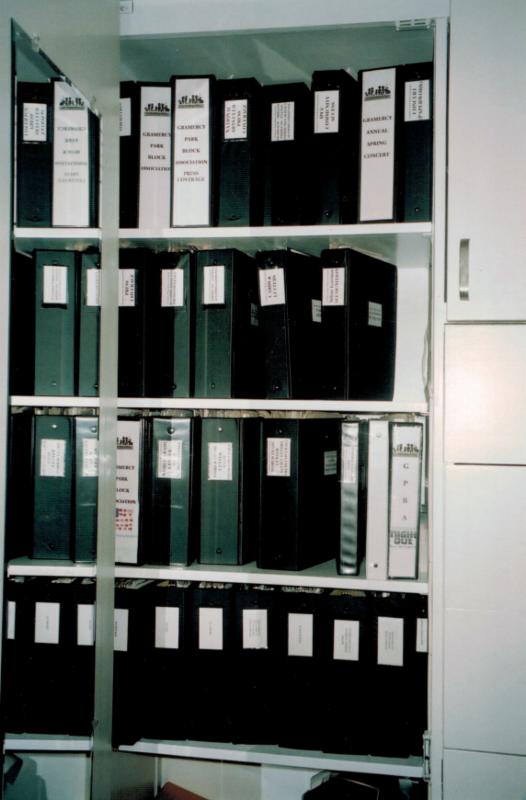
A November 2014 newsletter showed the files and records housed in the Gramercy Park Block Association’s office in Arlene Harrison’s apartment. The office held the Block Association’s administrative records and provided administrative services to the Trustees under their supervision.
The photographs gave neighbors a view of the less visible side of community work: years of correspondence, project files and organizational memory. The Block Association and the Trustees remained separate bodies, even where administrative support overlapped.
Planning for continuity
The same letter set out a plan to make that work sustainable. Its priorities included dedicated office space, digitizing records, mentoring future leadership, and creating archives and a library.
These were the aims announced in 2014. The letter does not, by itself, establish when or whether each part was completed. It does show that preserving knowledge and preparing successors were part of the Block Association’s thinking.
A website becomes part of the record
In July 2017, the Block Association announced that Columbia University Libraries had selected its website for a web-archive collection concerned with historic preservation and urban planning. That announcement recognized the website itself as a record of neighborhood activity.
Search the original newsletters by year or subject. The history reading room includes Pine’s book and the founding deed.
Small notices, a wider circle
The archive also preserves the Block Association sharing other organizations’ work. A Community Board 6 notice invited neighbors to a January 2009 Christmas-tree Mulchfest in Stuyvesant Town. An early Neighborhood News entry asked readers to support Cookies for Kids’ Cancer through a message from the children’s play space apple seeds.
These were acts of connection: passing along a practical opportunity or another organization’s appeal.
2011
Images, memory and public conversation
On September 2, 2011, the Block Association circulated an invitation to the exhibit and symposium Witness to Tragedy and Recovery. The events index preserves that invitation as part of the neighborhood’s remembrance record.
Photographer Todd Maisel’s own account identifies his role organizing the Pace University and National Press Photographers Association exhibition and symposium. The Block Association’s documented contribution here is sharing the invitation with neighbors, distinct from the Block Association’s own relief and remembrance programs.
2010
An invitation beyond the Park
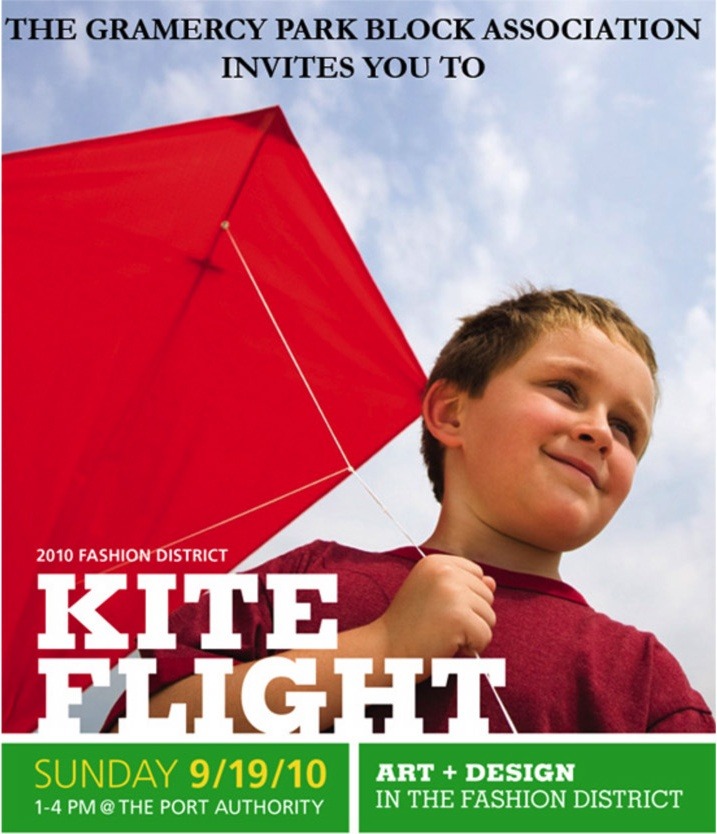
The Block Association invited neighbors to the Fashion Center Business Improvement District’s sixth annual Kite Flight, scheduled for September 19, 2010 on the Port Authority rooftop. The public event offered kite-making, crafts and music. Jerry Scupp, the BID’s deputy director and Kathleen Scupp’s nephew, was named as its organizer.
Harrison’s letter recalled a group of families from the Block Association taking part the previous year. Like the Mulchfest notice, it shows the Block Association connecting families with activities elsewhere in the city.
2003–2004
The annual lists widen the picture
The 2003 activities list records support for Madison Square Park Conservancy’s children’s programming, a donation to the Epiphany Peace Garden memorial and participation in Union Square Community Coalition’s educational events. These entries connect Gramercy’s service network with neighboring public spaces and institutions.
The 2004 list adds a donation for Stuyvesant Cove’s educational science program, support for Share Our Strength and educational events in Union Square. Most entries are brief administrative records. They show the range of causes included in the Block Association’s work, while leaving the details of each contribution to the original list.
2005
A new home on the web
The 2005 annual activities list records the Block Association’s website being designed and published that August. The same record includes a membership brochure mailing later in the year. These were complementary ways of telling neighbors about the work: printed material, regular correspondence and an online home that could retain the record.
2013
Remembering a keeper of local history
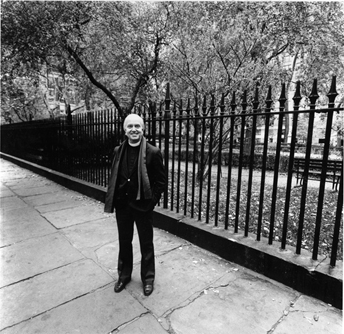
The archive also preserves an invitation to remember the Rev. Stephen Garmey, who died in 2012. It identifies him as a clergyman, sculptor and architectural historian, and announces a March 2013 memorial at the National Arts Club.
Sources
The office and continuity plan come from the Block Association’s distributed November 12, 2014 newsletter.
- GPBA’s web-archive announcement · July 7, 2017
- Stephen Garmey memorial invitation · March 2013
- Community Board 6 Mulchfest invitation · January 10–11, 2009
- Community-service index · Cookies for Kids’ Cancer / Neighborhood News 69
- GPBA events index · September 2, 2011 invitation
- Todd Maisel · exhibition and symposium record
- Fashion District Kite Flight invitation · September 2010
- Events, Projects & Activities · 2003
- Events, Projects & Activities · 2004
- Events, Projects & Activities · 2005