
19 Gramercy Park South
The house that became the Sonnenberg Mansion
In 1887, Mamie Fish gave this corner house a Gramercy Park address without moving its Irving Place entrance. The parties she held here, and the Sonnenbergs’ later art-filled home, made No. 19 one of the neighborhood’s best-known houses.
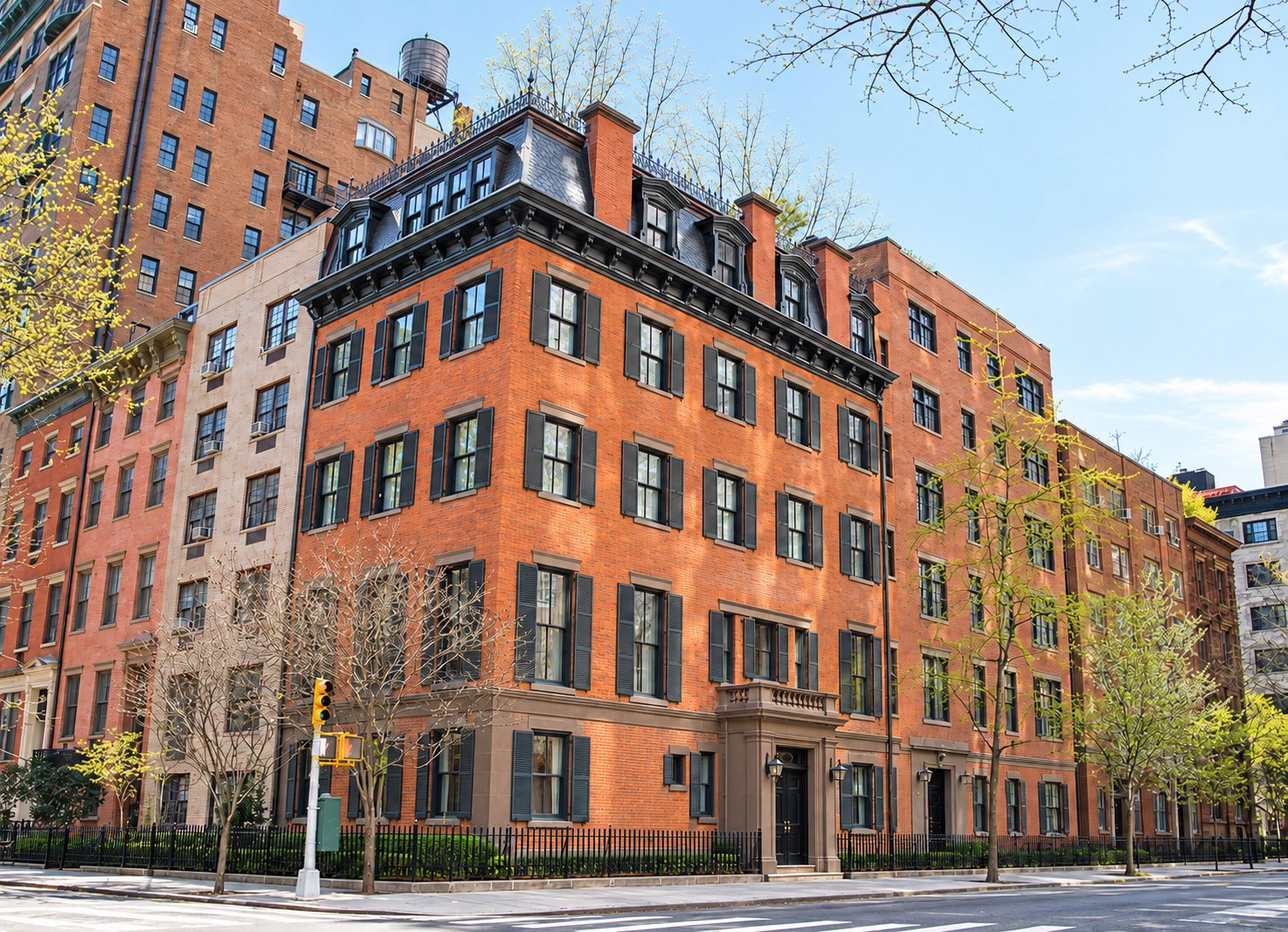
The doorway stayed put. The address did not.
When Stuyvesant and Mamie Fish bought this corner house in 1887, it was known as 86 Irving Place. Mamie had it changed to 19 Gramercy Park South, although the entrance remained on Irving Place.
It was a small act of social theater, and a wonderfully practical one. The Park was no longer merely the view. It was the address.
A house that grew into its corner
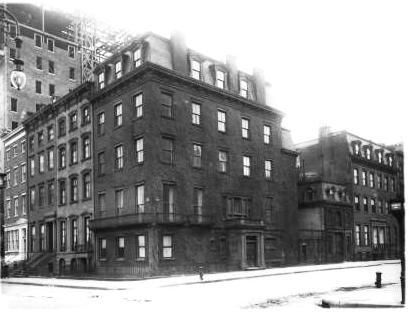
The house was already more than forty years old. Built in 1845 for the Whig politician William Samuel Johnson, it began as a four-story brick residence. A later owner, Horace Brooks, added the mansard roof and a stable. Those dormers and dark rooflines gave the house the silhouette we recognize today.
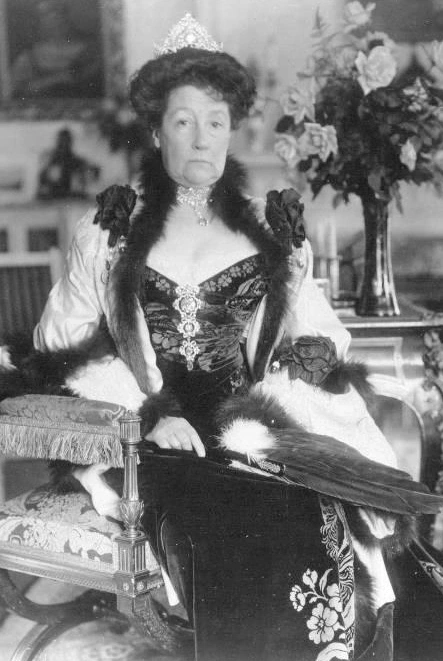
Stuyvesant and Mamie Fish
Stuyvesant Fish brought an established New York name and a formidable career to the house. A descendant of Peter Stuyvesant, he became president of the Illinois Central Railroad in 1887 and a Trustee of Gramercy Park in 1893. Mamie brought the ambition to make an evening at No. 19 worth talking about.
While fashionable New York was moving uptown, the Fishes helped keep Gramercy in the conversation. There was nothing provincial about staying downtown if everyone still wanted to be invited.
Stanford White’s alterations
Mamie commissioned Stanford White of McKim, Mead & White to remodel and enlarge the house in 1887. The original mansion was not his design; his role was to transform an existing home into a setting for the Fishes’ social life.
White’s alterations included a marble staircase and a top-floor ballroom for the Fishes’ entertainments.
No patience for a dull evening
Mamie’s reputation as a “fun-maker” was earned. Direct, quick-witted and cheerfully irreverent, she preferred a lively room to a dutiful one. Her fifty-minute dinners challenged the long formal meals of the period: enough time to dine, but no obligation to spend the entire evening doing it.
“Make yourselves at home … and believe me, there is no one who wishes you were there more than I do.”
A quip attributed to Mamie Fish
Jennifer Wright’s Glitz, Glam, and a Damn Good Time tells the story of Mamie’s life and entertainments.
The Sonnenbergs arrive
The Fishes eventually moved uptown, but kept the property. In 1909, the stable made way for a studio-apartment building. The house itself was divided into apartments, an unexpectedly ordinary interlude for an address with such a reputation.
Then Benjamin and Hilda Sonnenberg arrived. They rented the lower two floors in 1931 and bought the property in 1945. Combining the house with the adjoining building created a thirty-seven-room mansion, which they filled with art, antiques, books and guests.
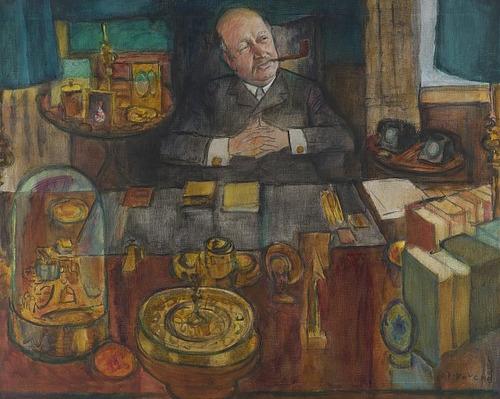
Benjamin Sonnenberg was a publicist and advertising executive. He and Hilda entertained in the ballroom, and their name stayed with the house: the Sonnenberg Mansion.
Restoring No. 19
The Block Association followed exterior restoration at 19–20 Gramercy Park South, reporting on the work and discussing sidewalk access, noise and dust with the people responsible.
The building at a glance
The building record
- Address today
- 19 Gramercy Park South
- Southeast corner of Gramercy Park South and Irving Place.
- Earlier address
- 86 Irving Place
- Mamie Fish is credited with giving the house its Park-facing name.
- Original house
- 1845
- Built for William Samuel Johnson as a four-story brick house.
- Alterations
- 1860s · 1887
- Mansard roof and stable added in the 1860s; remodeled and enlarged by Stanford White in 1887.
Over time
A house at 86 Irving Place
A four-story brick residence is built for the Whig politician William Samuel Johnson.
A new silhouette
Horace Brooks adds the mansard roof and a stable.
The Fishes arrive
Stuyvesant and Mamie Fish buy the house; Stanford White remodels it.
Another use for the stable site
A studio-apartment building replaces the stable.
The Sonnenbergs move in
Benjamin and Hilda Sonnenberg rent the lower two floors.
A thirty-seven-room mansion
The Sonnenbergs buy the property and combine the buildings into a home filled with art, books and guests.
Care becomes part of the story
The Block Association’s accounts follow two restoration chapters and their effects on the surrounding neighborhood.
Documents & further reading
- Gramercy StoriesNo. 1: the original newsletterThe Block Association’s story of No. 19, its people and its changing life.
- New York HistoricalSonnenberg Mansion photographsThe building’s history and a guide to Steven Tucker’s interior photographs.
- 1979No. 19 Brendan Gill’s celebrated account of the house, its architecture, the Fishes and Benjamin Sonnenberg.
- 2016The Greatest Private House in New York A reported history of the house, its owners, its parties and its later life.
- 2020Stuyvesant Fish House A photo-rich account of 19 Gramercy Park South and the Sonnenberg Mansion.
- Mamie FishGarrison’s Mamie Fish in the Gilded Age A local account of Mamie’s life, family and reputation as a Gilded Age hostess.
- PortraitBenjamin Sonnenberg · National Portrait Gallery René Robert Bouché’s 1955 portrait, held by the Smithsonian’s National Portrait Gallery.
- Gramercy Park Block Association archiveRestoration at 19–20 Gramercy Park SouthGPBA’s documented accounts of restoration in 2003–04 and 2014.
- Further readingGlitz, Glam, and a Damn Good Time Jennifer Wright’s biography of Mamie Fish, published by Hachette in 2025.
Gramercy Stories is a series from the Gramercy Park Block Association about the buildings, addresses and places that give the neighborhood its character.