
A history beyond the famous façades
The Gramercy Park Block Association’s Women’s History Month letter invited neighbors to consider the women whose work helped shape the area’s cultural and civic life. Their contributions span writing, performance, design, education and social reform.
The story is not simply one of celebrated residents. It is also the history of institutions that opened opportunities for women, and of homes that became places for ideas to circulate.
Writing, music and design
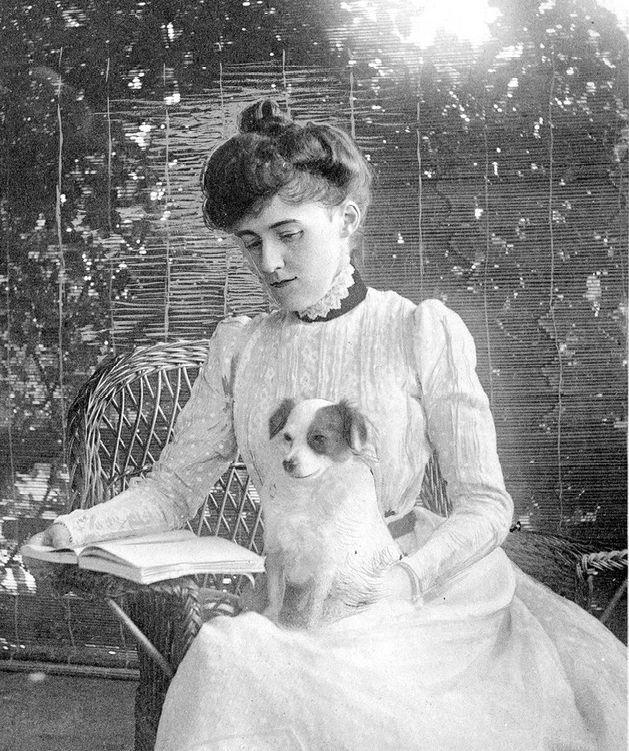
Edith Wharton’s fiction gave a lasting voice to the social world of old New York. Her work on houses and interiors placed her within a wider conversation about how people lived as well as how they appeared.
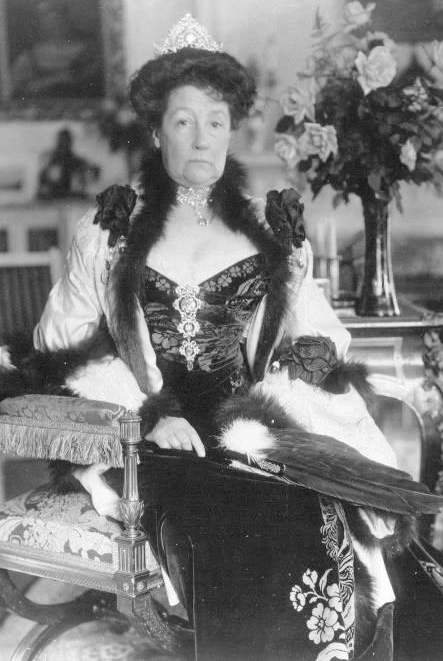
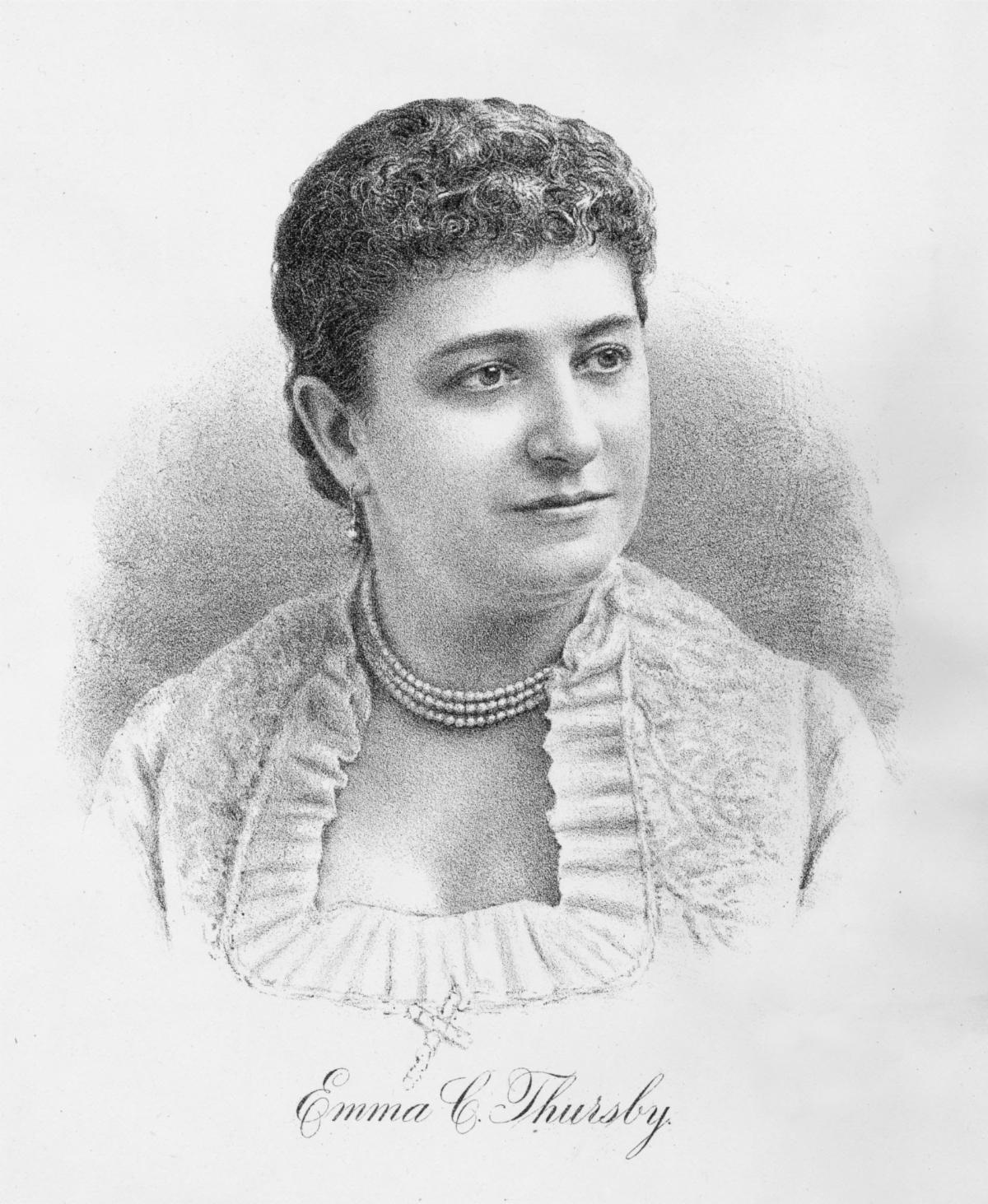
Soprano Emma Thursby brought a musical life to her Gramercy Park home. Elsie de Wolfe, later Lady Mendl, and literary agent Elisabeth Marbury made their home near Irving Place part of the neighborhood’s artistic and intellectual life. Their professions were different, but each helped expand the cultural world around these blocks.
Education and independence
John B. Pine’s 1921 history records Henrietta B. Haines’s school for girls at No. 10 Gramercy Park as early as 1851. It is one chapter in the neighborhood’s long association with women’s education.
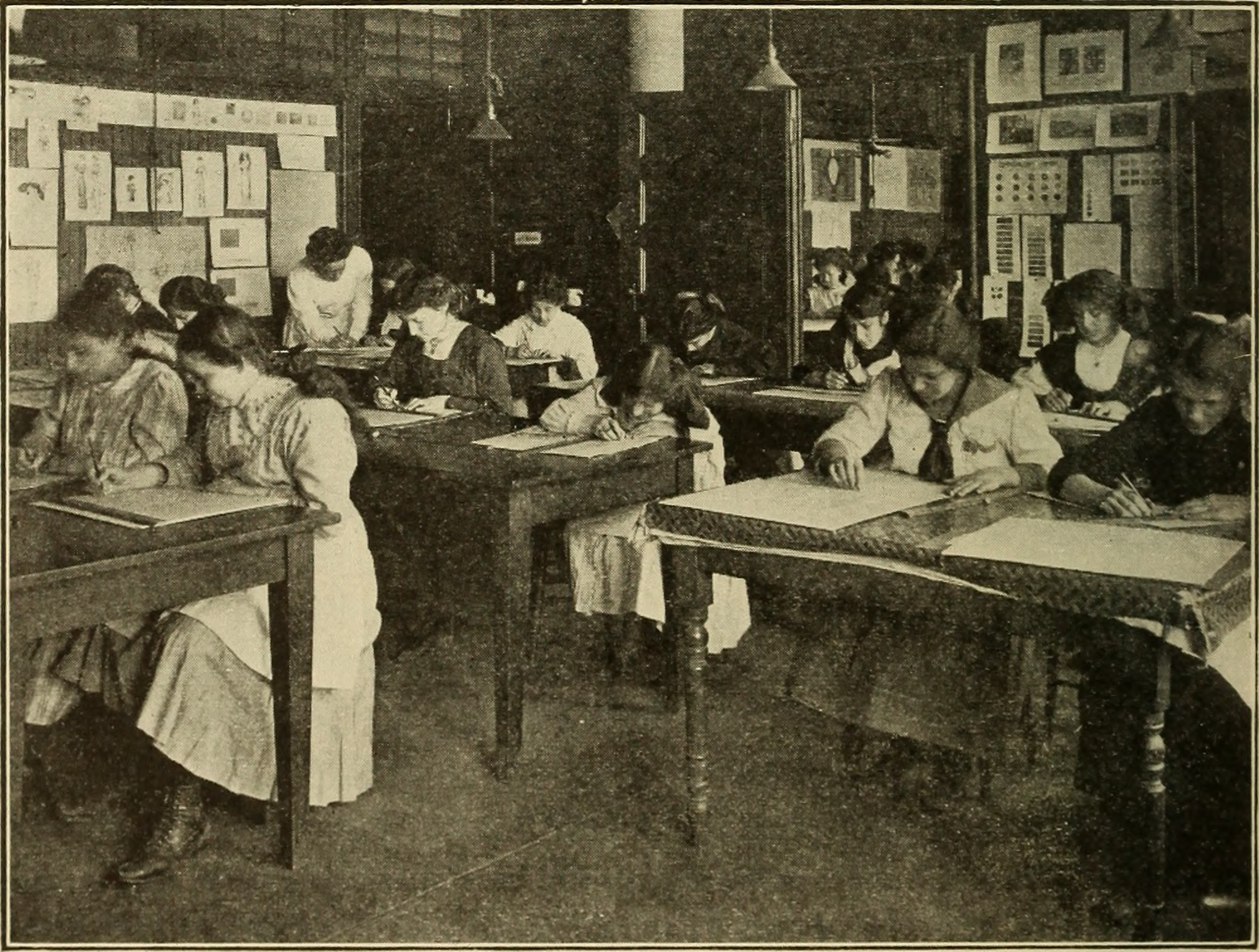
The Manhattan Trade School for Girls addressed a very different need. Founded in 1902, it offered vocational training to young women who needed to earn a living. A surviving 1911 film documents the school’s teaching; the institution later occupied its purpose-designed building on East 22nd Street.
The school’s history is both an account of opportunity and a reminder of the limited choices available to many young women entering the workforce.
Public service as a life’s work
Pine also records Louisa Lee Schuyler’s work with the United States Sanitary Commission during the Civil War and her later role in nursing education and charitable reform. Her story connects the neighborhood’s history with efforts to improve care far beyond Gramercy.
Read together, these accounts widen the picture: a neighborhood shaped not only by its founders and buildings, but by the women whose work reached into the life of the city.
Gramercy’s role in New York civic life
Sources
Adapted selectively from the March 2026 letter, with historical context from John B. Pine’s The Story of Gramercy Park (1921), pages 46–47 and 54–55, and the National Film Preservation Foundation’s account of the school.