
Herman Melville
The Quiet House on East Twenty-Sixth Street
1819–1891 · 104 East 26th Street · 1863–1891
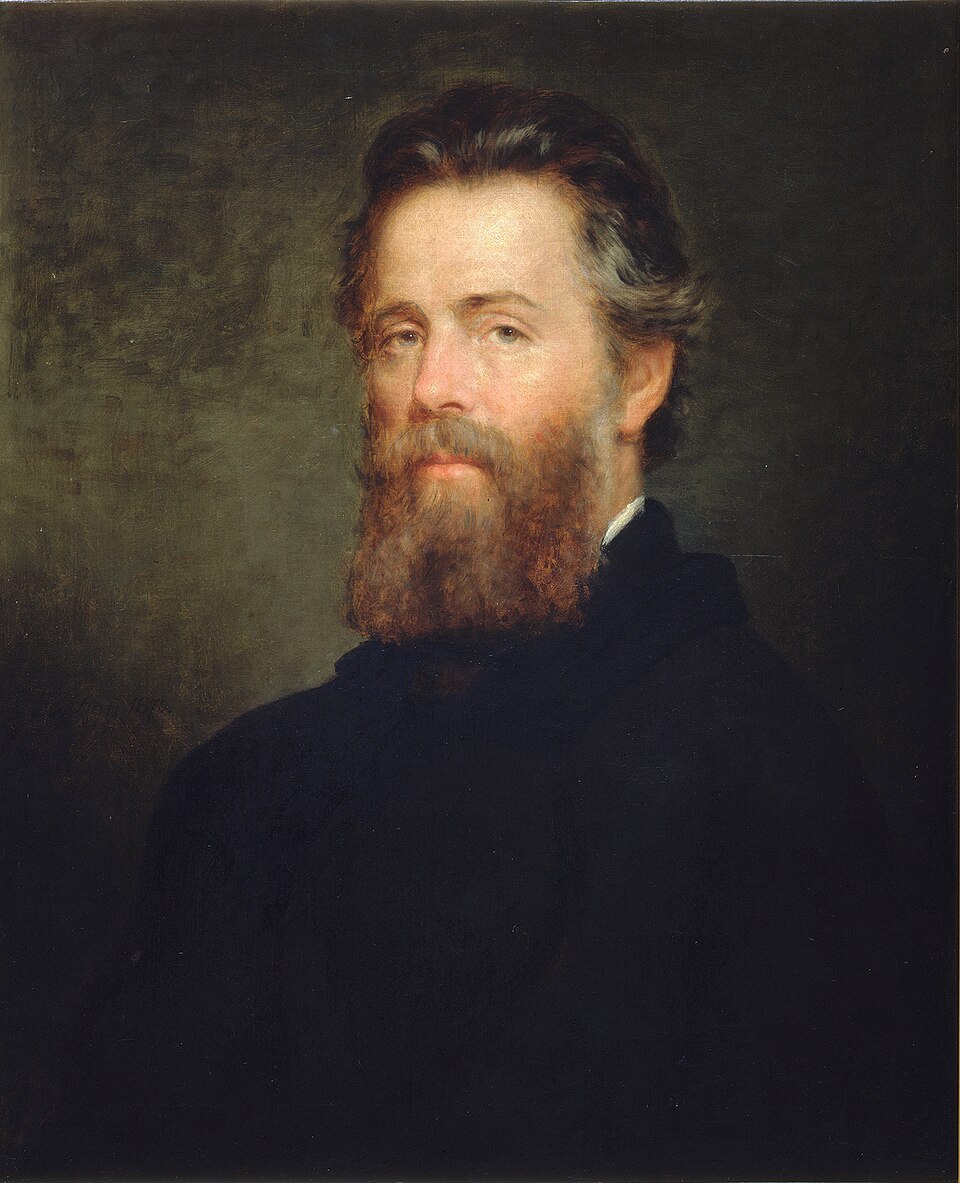
A life in Gramercy
A rose garden, and work upstairs
Behind the yellow-painted brick house at 104 East 26th Street, Herman Melville tended roses. There was a back porch from which to look over the garden; upstairs, a room with brown wallpaper and a black iron bed. For twenty-eight years this was home to the author of Moby-Dick. Much of the literary world had stopped looking for him. The books, poems, and manuscript pages accumulating inside the house tell a less settled story.
Melville moved here in 1863 with his wife, Elizabeth, and their four children, exchanging the Massachusetts farm called Arrowhead for a household just northwest of Gramercy Park. Eventually his working day would take him across Manhattan to the Hudson River piers, where he served as a customs inspector. His neighborhood walks and the family’s garden belonged to a life lived close to other writers, including Henry James on East 25th Street, without much appetite for literary society.
After retirement, the upstairs room became the setting for the last sustained work of his life. Melville privately printed poetry and labored over the story of a young sailor called Billy Budd. He died here in September 1891, leaving that manuscript unpublished. Its survival depended on Elizabeth and the family papers; its readers would arrive decades later. The address connects a long, difficult middle age with one of American literature’s most remarkable late discoveries.
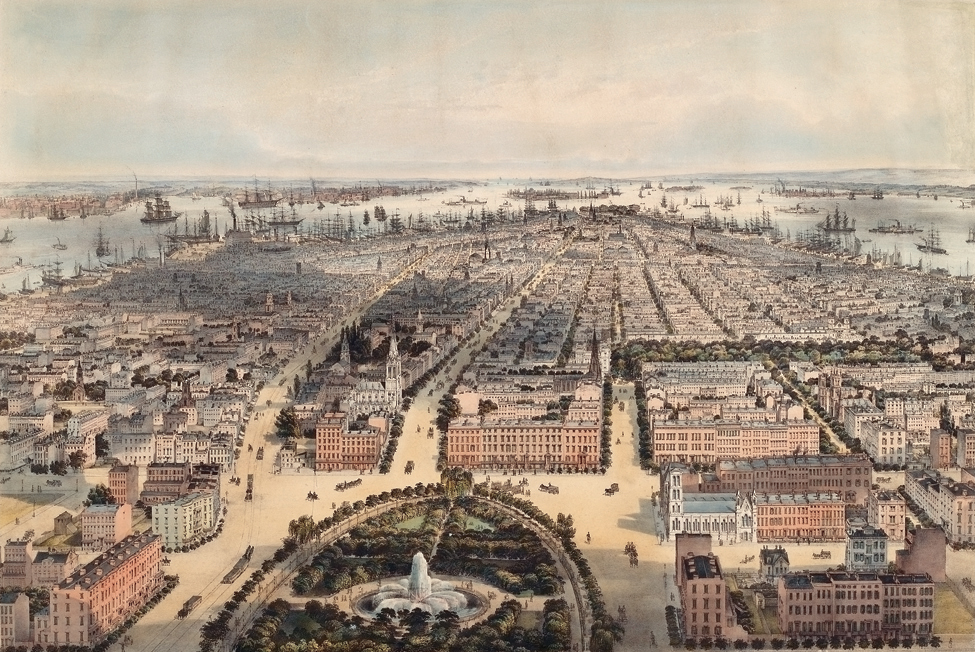
The sailor and his publishers
The world beyond New York
Herman Melville was born in New York on August 1, 1819, but the experiences that first brought him readers took him far from the city. Years aboard whaling ships and naval vessels supplied encounters, work, danger, and an unfamiliar social world. When he turned those experiences into books, he could offer a public eager for accounts of distant places something that appeared both adventurous and firsthand. The young author’s name became associated with the Pacific long before it belonged to an East 26th Street household.
Typee, published in 1846, made his reputation. Omoo followed in 1847, and White-Jacket in 1850. His relationship with Harper & Brothers tied the seafaring writer to a formidable New York publishing business. James Harper, the printer, publisher, and former mayor, would become one of Gramercy Park’s prominent residents. For Melville, the presses downtown offered access to a broad readership—and, as his writing grew more demanding, a measure of how far he was moving from its expectations.
Books the public did not expect
Moby-Dick appeared in 1851. Readers who expected another readily recognizable adventure found a book that ranged through work, belief, obsession, and the effort to understand a world resistant to explanation. Pierre, published the following year, unsettled expectations again. The response to these books was a painful change from the welcome given to Typee. Melville’s later standing makes the reversal easy to underestimate: the work that would secure his place in literature did not secure the career or income he needed while he was writing it.
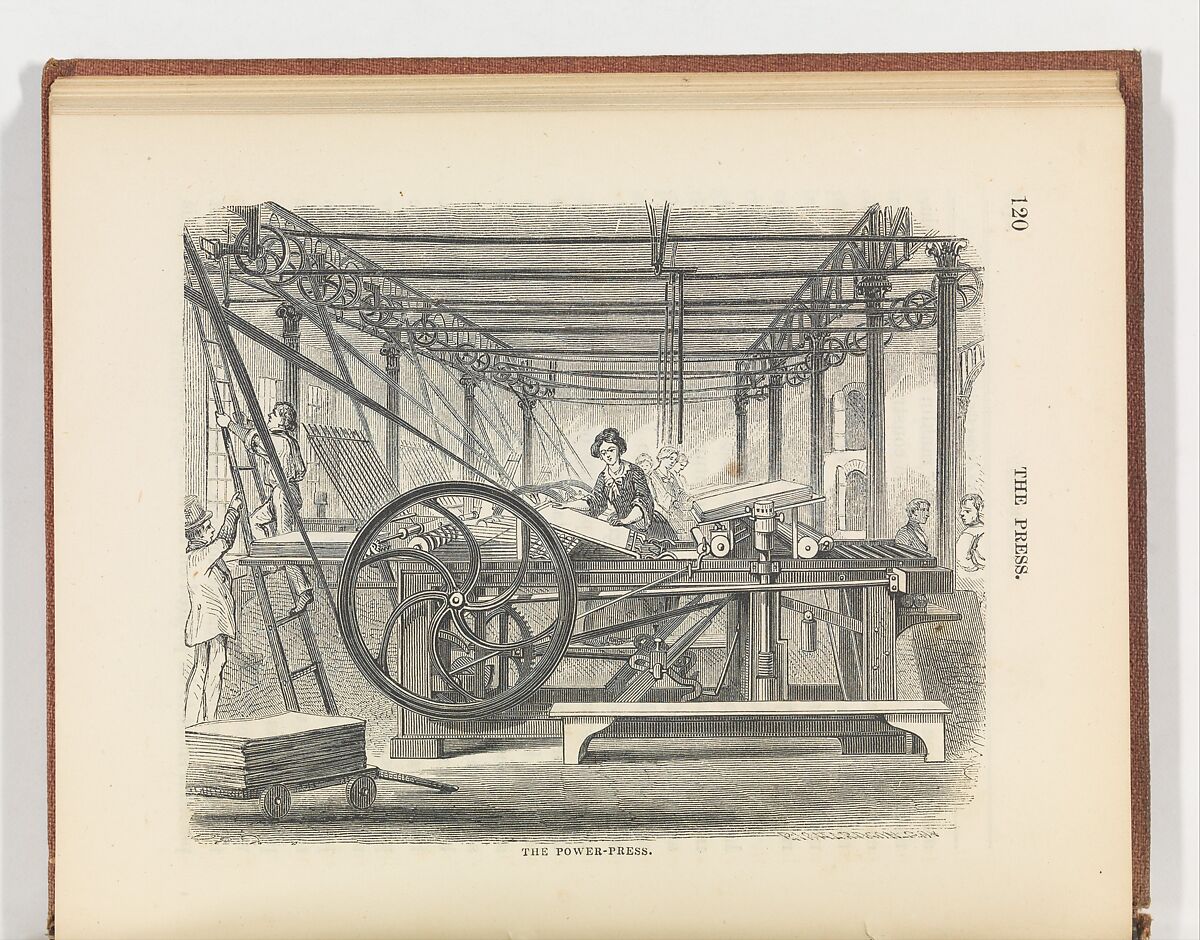
Then, in December 1853, fire swept through the Harper establishment on Pearl Street. The Gramercy diarist George Templeton Strong went downtown to watch the catastrophe. Along with an enormous quantity of books and equipment, the flames consumed nearly all the unsold stock and printing plates of Melville’s books held there. Harper & Brothers rebuilt; replacing an author’s lost readership was another matter. The disaster gives the history an almost brutally practical detail: books could disappear from circulation through the destruction of paper and metal as well as through unfavorable reviews.
A house and a day’s wage
Leaving the farm
In 1863 Melville sold Arrowhead, his farm in Pittsfield, Massachusetts, and returned to New York. He and Elizabeth Shaw Melville brought their four children to 104 East 26th Street. The house was brick, painted yellow, with brownstone trim. Its ordinary domestic scale belongs to the story: this was a family move, with the practical demands of supporting a household, after the years in which a successful literary career had seemed possible. He would never again make so complete a change of home.
The new address lay just northwest of Gramercy Park, in the wider neighborhood shaped by Samuel B. Ruggles’s development. Melville’s return brought him into a part of Manhattan where publishers, editors, and writers lived within walking distance of one another. Yet proximity did not make his life an extended literary gathering. East 26th Street became the steady center of the family’s days, while the question of a dependable income remained. The author who had traveled the Pacific now needed work he could reach from home.
District Inspector No. 75
In December 1866 he obtained a position with the United States Customs Service, earning four dollars a day. As District Inspector No. 75, he worked at the Gansevoort Street piers on the Hudson. The title had none of the distinction attached to a celebrated novelist, but the wages mattered. For a writer whose books had failed to provide a secure living, government employment offered a regular obligation and a regular return. Melville would keep the job for nineteen years.
His description of the work was unsentimental: “a most inglorious one; indeed, worse than driving geese to water.” The complaint and the length of his service belong together. Whatever he thought of the occupation, he continued to do it, walking from East 26th Street toward the waterfront and home again. The sea remained present in his working life through the business of a port. Meanwhile, the book that would eventually bring readers back to this house had not yet taken shape.
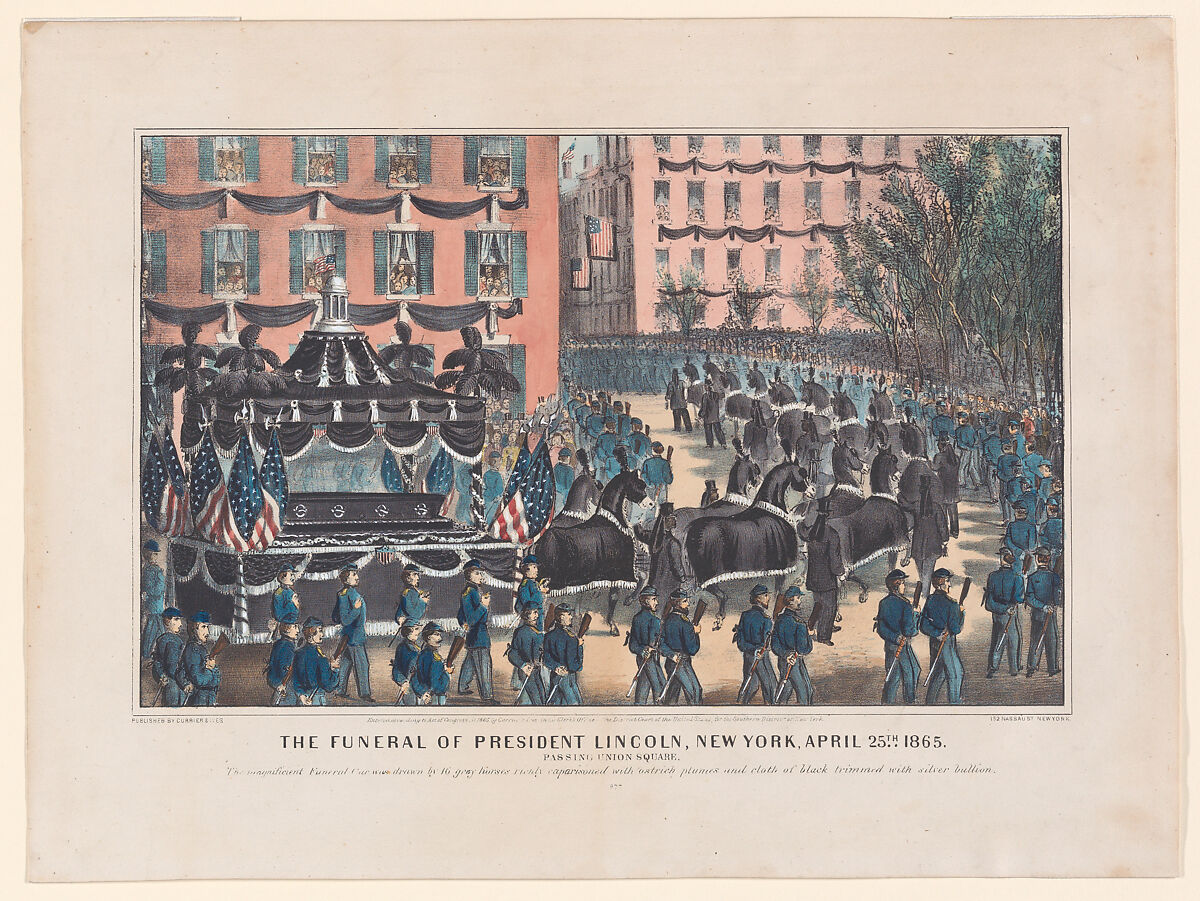
The garden behind the house
Loss within the household
In 1867, the year after Melville entered the Customs Service, his eighteen-year-old son Malcolm died in an apparent suicide in an upstairs bedroom. An account of the long residence at East 26th Street cannot pass over that loss, or treat the house merely as a picturesque writer’s retreat. It was the setting of a family tragedy. His other son, Stanwix, became estranged from the household and would also die before his father. The private history of these years was far from quiet in its consequences.
Melville continued at the docks. Over the course of nineteen years, the journey across Manhattan gave his working life a repeated shape, while the house offered the smaller occupations of home. He tended a rose garden behind it and sat on the back porch overlooking the flowers. Those details are worth keeping at their actual size. They tell us what occupied part of his time, without requiring the garden to stand for recovery or the daily walk to explain how he endured grief.
Writers on adjoining streets
In 1875, the house behind Melville’s garden, on East 25th Street, was home to the young Henry James during the period of Roderick Hudson. One writer was establishing the career that would make him famous; the other had already written the novel that a later century would place among America’s greatest. Their nearby addresses make a striking neighborhood connection, but do not establish a friendship. The view across a block can bring lives close together without telling us that the people involved ever shared a conversation.
Edmund Clarence Stedman made a more direct effort to draw Melville into literary company. Melville attended one meeting, then declined the club life his neighbor hoped he might enjoy. Around him, New York’s magazines and associations continued their busy exchange of reputations and ideas. He chose little part in it. The refusal helps explain why his later writing remained so easily overlooked: someone could be close to the city’s literary circles, still working seriously, and largely absent from the occasions on which that work would have become known.
A sailor in the upstairs room
The hours returned to him
A family inheritance received by Elizabeth made it possible for Melville to retire from the Customs Service in December 1885. The daily journey to the piers ended after nineteen years. His last six years were centered increasingly on the house, and on the upstairs room with its brown wallpaper and black iron bed. The change did not remove the family’s losses: Stanwix died in 1886. It did, however, release hours that had long belonged to paid employment.
Melville used those hours to write. John Marr and Other Sailors and Timoleon appeared in small, privately printed editions. Poetry gave him a form in which he could continue without the public machinery that had surrounded his early novels. The small readership should not be mistaken for a lack of effort. These were books made in the same period as the prose manuscript that would eventually become the best-known work of his old age, though it would never reach a publisher in his lifetime.
The work left on paper
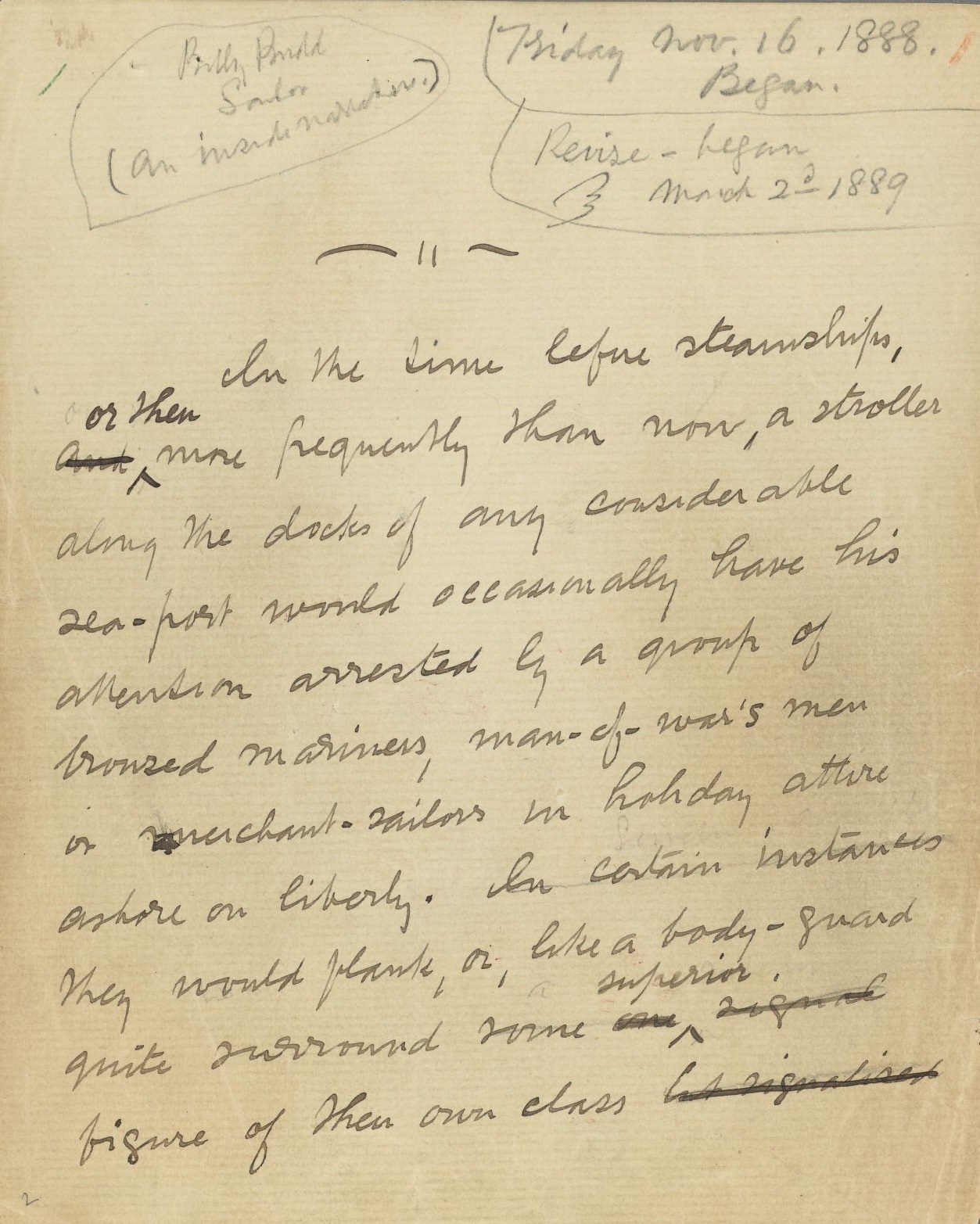
Across the opening of the manuscript Melville wrote: “Here lies a story not unwarranted by what happens in this incongruous world of ours.” Billy Budd, Sailor returned him to a shipboard world, and to the difficult relations between innocence, authority, and judgment. Years of thought and revision are present in the surviving pages. The opening leaf, with its changes and pencil markings, lets a reader see the physical work of writing that took place behind an otherwise unremarkable Manhattan address. Those pages are now preserved at Harvard’s Houghton Library.
Melville was still working on the story in his final year; a date of April 1891 belongs to that late work, five months before his death. The manuscript he left was not a book put through its final proofs. Its revisions would give later editors substantial decisions to make. That unfinished condition is part of its history, and part of what distinguishes the last East 26th Street years from the simple picture of a retired author who had stopped writing.
“Formerly a well-known author”
The name in the newspaper
Herman Melville died at 104 East 26th Street on September 28, 1891. He was seventy-two and had lived in the house for twenty-eight years. The New York World identified him as “Herman Melville, formerly a well-known author.” The phrase is now difficult to read without thinking of the books that followed him into classrooms and libraries. At the time, however, it recorded a real distance between the attention given to his early adventures and the limited public notice of his later life.
The newspaper’s wording made authorship sound like a former occupation. Inside the household, Elizabeth knew otherwise. There were the privately printed poems and the manuscript pages, evidence of continuing work that had not been part of the public’s picture of him. His death left a task that would be easy to miss in a brief obituary: someone had to keep those papers. What survived of the last years depended first on decisions made within the family, before scholars or publishers became interested.
Elizabeth’s answer to Gilder
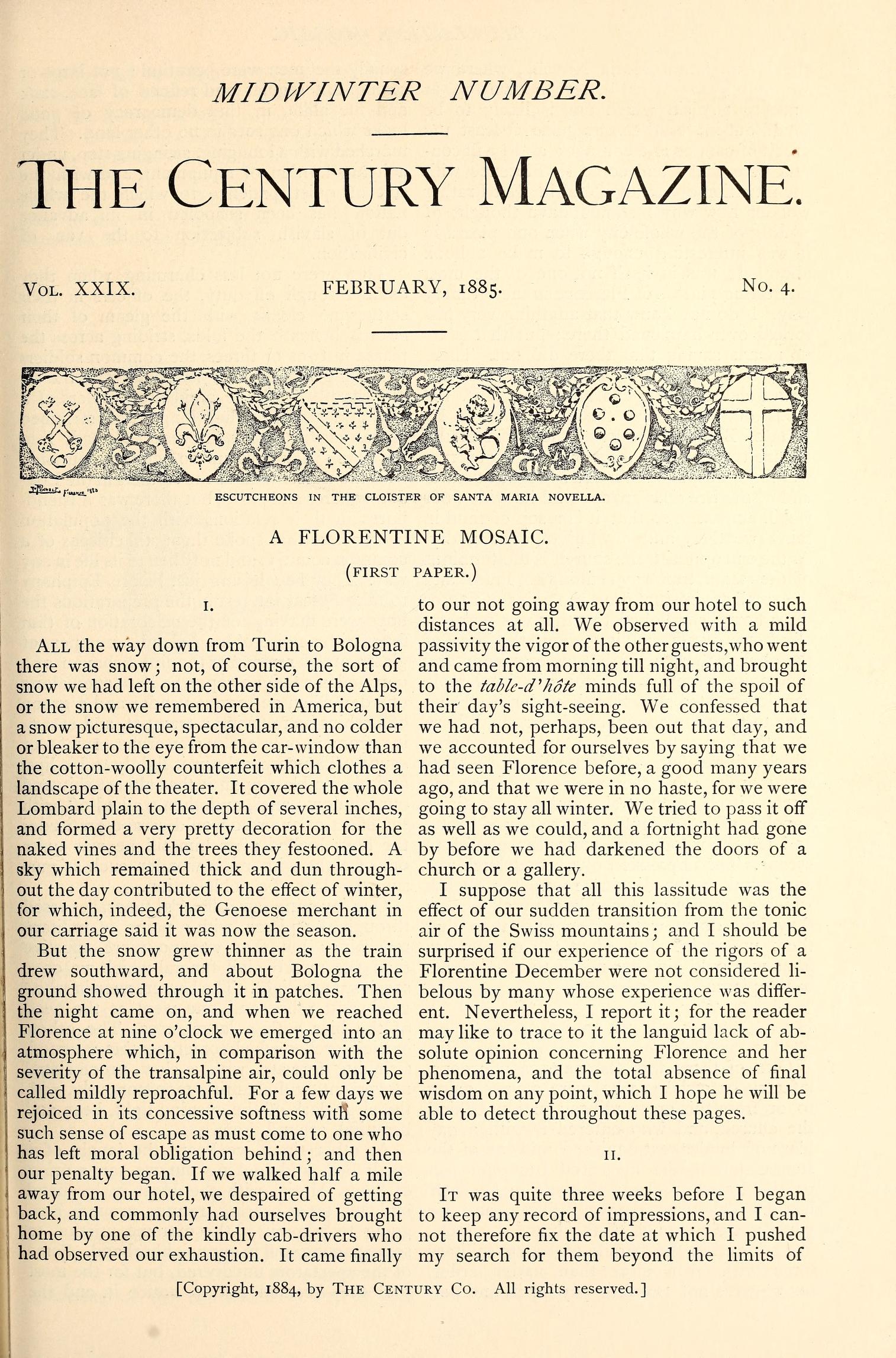
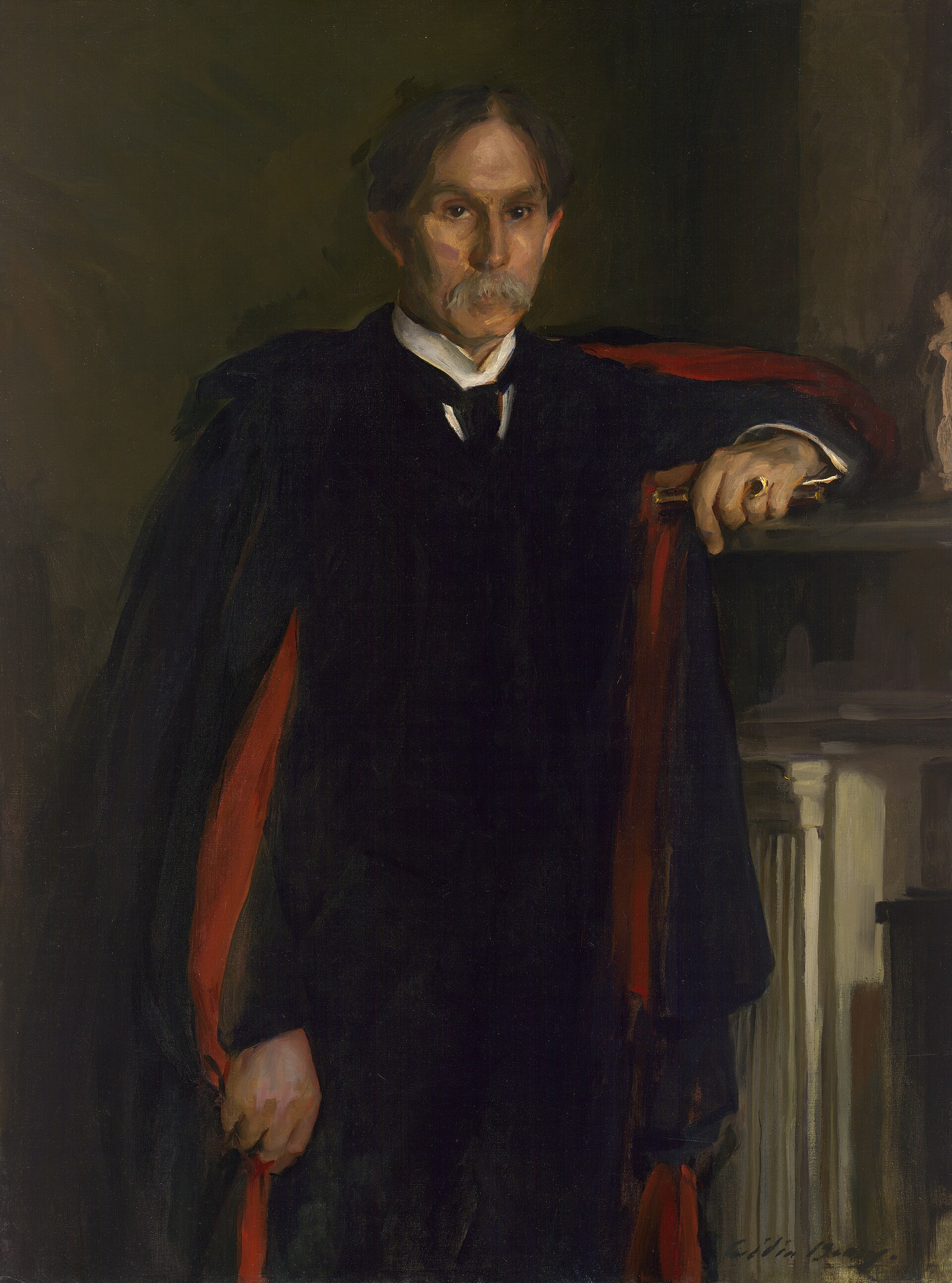
Richard Watson Gilder, editor of The Century, reached out to Elizabeth about publishing a memorial selection of Melville’s verse. Gilder’s place in Gramercy’s literary history would later include his residence at 24 Gramercy Park South. In 1891 the relevant connection was his editorial desk: an opportunity to put Melville’s writing before the magazine’s readers after a death that had received comparatively little attention. The poems, rather than only an account of the man, could supply their own reminder.
Elizabeth welcomed the proposal. “I do not know of any publication in which I should be more pleased to see his name,” she replied. The sentence is generous toward the editor, but its last words carry their own weight. To see his name in print again mattered. Gilder’s gesture did not bring about the great reversal in Melville’s reputation, which still lay ahead. It did provide an immediate act of remembrance, and Elizabeth’s response preserves the voice of the person who had shared the long household years.
The story in the breadbox
Keeping the manuscript
Elizabeth preserved Melville’s papers, including the manuscript of Billy Budd. In the story of their survival, a tin breadbox became a memorable detail: an ordinary household container associated with the safeguarding of extraordinary pages. The manuscript’s journey should not be collapsed into an image of a box left untouched at East 26th Street until publication. The papers passed through the family, and the people who kept them made the later discovery possible. Their care preceded the literary revival.
In 1919, the centenary of Melville’s birth, Raymond Weaver encountered the manuscript among the family papers while researching the author’s life. The date matters. Discovery and publication were separate events, and bringing the surviving pages into print required editorial work. Weaver’s biography helped renew attention to a writer whose reputation was beginning to change. Readers could now approach the long New York period with knowledge of a substantial late work that Melville’s contemporaries had never had the chance to read.
Thirty-three years later
Billy Budd appeared in 1924, thirty-three years after Melville’s death. It became an important part of the twentieth-century revival of his work, alongside a growing recognition of Moby-Dick. The new readers did not simply recover the young adventurer who had written Typee. They met a much older writer, still occupied with troubling questions, whose manuscript had outlasted both its author and the judgments that had diminished his standing. Publication changed what could be known about the end of his career.
For Gramercy, that discovery brings the story back to a specific household. The customs inspector’s walk to work, the roses behind the house, and the upstairs room belong to the same twenty-eight years. A reader following Melville only through the rise and fall of his early reputation might have stopped long before reaching them. Billy Budd gives reason to stay. At 104 East 26th Street, after the public had largely turned away, there was still a story being written.
Places, people & connections
Around the Park
James Harper
The printer and publisher whose firm's presses helped bring Melville’s books to readers.
4 Gramercy Park West
James Harper’s home on the Park, a neighborhood connection to the publishing business downtown.
Richard Watson Gilder
The Century editor who approached Elizabeth Melville about a memorial selection of her husband’s verse.
24 Gramercy Park South
Gilder’s later home, part of the Park’s long association with editors, artists, and writers.
Samuel B. Ruggles
The developer whose Gramercy Park helped shape the neighborhood southeast of Melville’s house.
George Templeton Strong
The Gramercy diarist who witnessed the 1853 fire at Harper & Brothers on Pearl Street.
Life at a glance
The biographical record
| Born | August 1, 1819 · New York City |
|---|---|
| Died | September 28, 1891 · 104 East 26th Street · age 72 |
| Gramercy address | 104 East 26th Street · 1863–1891 |
| Household | Elizabeth Shaw Melville and their four children |
| Previous home | Arrowhead, Pittsfield, Massachusetts |
| Day job | U.S. Customs Service, District Inspector No. 75 · December 1866–December 1885 · $4 a day |
| Early success | Typee (1846), followed by Omoo (1847) |
| Major novels | Moby-Dick (1851) and Pierre (1852) |
| Late writing | John Marr and Other Sailors (1888), Timoleon (1891), and the manuscript of Billy Budd, Sailor |
| Posthumous publication | Billy Budd · 1924, following Raymond Weaver’s discovery in 1919 |
Over time
Born in New York
Herman Melville is born on August 1.
A seafaring reputation
Typee and Omoo bring Melville an early readership.
Two demanding novels
Moby-Dick and Pierre unsettle readers’ expectations.
The Harper fire
The December fire on Pearl Street destroys books and printing plates.
A move to East 26th Street
Melville sells Arrowhead and brings his family to No. 104.
Customs employment
In December he becomes District Inspector No. 75, working at the Gansevoort Street piers.
Malcolm’s death
Melville’s eighteen-year-old son dies in the family home.
Henry James nearby
James lives on East 25th Street, across the block from Melville’s garden, during the period of Roderick Hudson.
Retirement and loss
Melville retires in December 1885; his son Stanwix dies the following year.
The late work
Privately printed poetry and the Billy Budd manuscript occupy the final years.
Death at home
Melville dies on September 28; Gilder contacts Elizabeth about a memorial selection of verse.
The manuscript is found
Raymond Weaver encounters Billy Budd among Melville’s family papers.
A new book, a new readership
Billy Budd is published thirty-three years after Melville’s death.
Sources cited
- Carole Klein, Gramercy Park: An American Bloomsbury (Boston: Houghton Mifflin, 1987), for Melville’s East 26th Street household and the neighborhood’s literary connections.
- Herman Melville, Typee: A Peep at Polynesian Life (1846), Omoo (1847), and White-Jacket (1850), the early books discussed in the profile.
- Herman Melville, Moby-Dick; or, The Whale (New York: Harper & Brothers, 1851), and Pierre; or, The Ambiguities (New York: Harper & Brothers, 1852).
- Herman Melville, John Marr and Other Sailors (1888), and Timoleon, Etc. (1891), privately printed late collections.
- Herman Melville, Billy Budd, first published in 1924 under the editorship of Raymond Weaver; the manuscript’s revised and unfinished state is distinct from its posthumous printed editions.
- Herman Melville, Billy Budd manuscript, MS Am 188 (363), Houghton Library, Harvard University. Opening leaf and collection attribution.
- Raymond M. Weaver, Herman Melville: Mariner and Mystic (New York: George H. Doran Company, 1921), an early biography associated with the twentieth-century revival.
- Gramercy Park Block Association, James Harper, Richard Watson Gilder, and George Templeton Strong, for the related publishing, editorial, and neighborhood histories.
Photo credits for this page
- Herman Melville, May 1870. Joseph Oriel Eaton, oil on canvas. Houghton Library, Harvard University, accession 61Z-4; commissioned by John Hoadley. Image and source record, Wikimedia Commons. Public domain.
- New York, view looking south from Union Square, 1849. C. Bachman; lithograph published by John Bachmann. Museum of the City of New York, The J. Clarence Davies Collection, 29.100.1344. Collection record. Public domain.
- The Power-Press, 1855. E. Doppler, in Jacob Abbott, The Harper Establishment, p. 120. The Metropolitan Museum of Art, accession 42.105.22. Collection record. Public domain.
- The Funeral of President Lincoln, New York, April 25th, 1865, Passing Union Square. Currier & Ives, publisher. The Metropolitan Museum of Art, Bequest of A. S. Colgate, 1962, accession 63.550.208. Collection record. Public domain.
- The Century Magazine, February 1885. Opening page of the midwinter number, vol. 29, no. 4, p. 483, with the heading of “A Florentine Mosaic.” The Century Co., New York. Lincoln Financial Foundation Collection, Internet Archive. Public domain.
- Billy Budd manuscript, opening leaf, dated 1888 in the image record. Herman Melville. MS Am 188 (363), Houghton Library, Harvard University. Image and collection attribution, Wikimedia Commons. Public domain.
- Richard Watson Gilder, 1902–1903. Cecilia Beaux, oil on canvas. National Portrait Gallery, Smithsonian Institution; gift of Rodman and Mary Ellen Gilder, NPG.98.77. Collection record. Smithsonian Open Access, CC0.
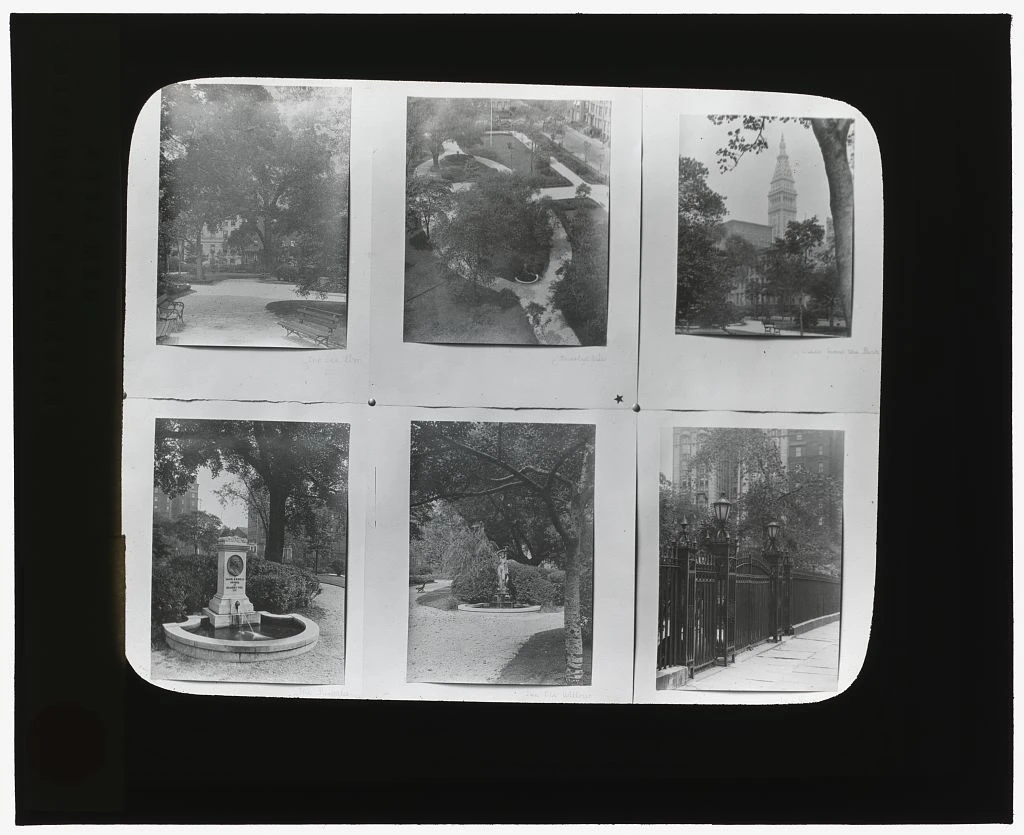
- Gramercy Park exhibition panel, 1922. Frances Benjamin Johnston Collection, Library of Congress, Prints and Photographs Division; digital ID LC-DIG-ppmsca-16306. Collection record. No known restrictions on publication.