
Buildings, Monuments & People of Gramercy
Edwin Booth & The Players
The Prince of Players and the House He Gave at Midnight
By Timothy Cohen
Ahead of Edwin Booth’s November 13 birthday: From a childhood on the road and a hundred nights of Hamlet to the Gramercy Park townhouse he gave away on New Year’s Eve.
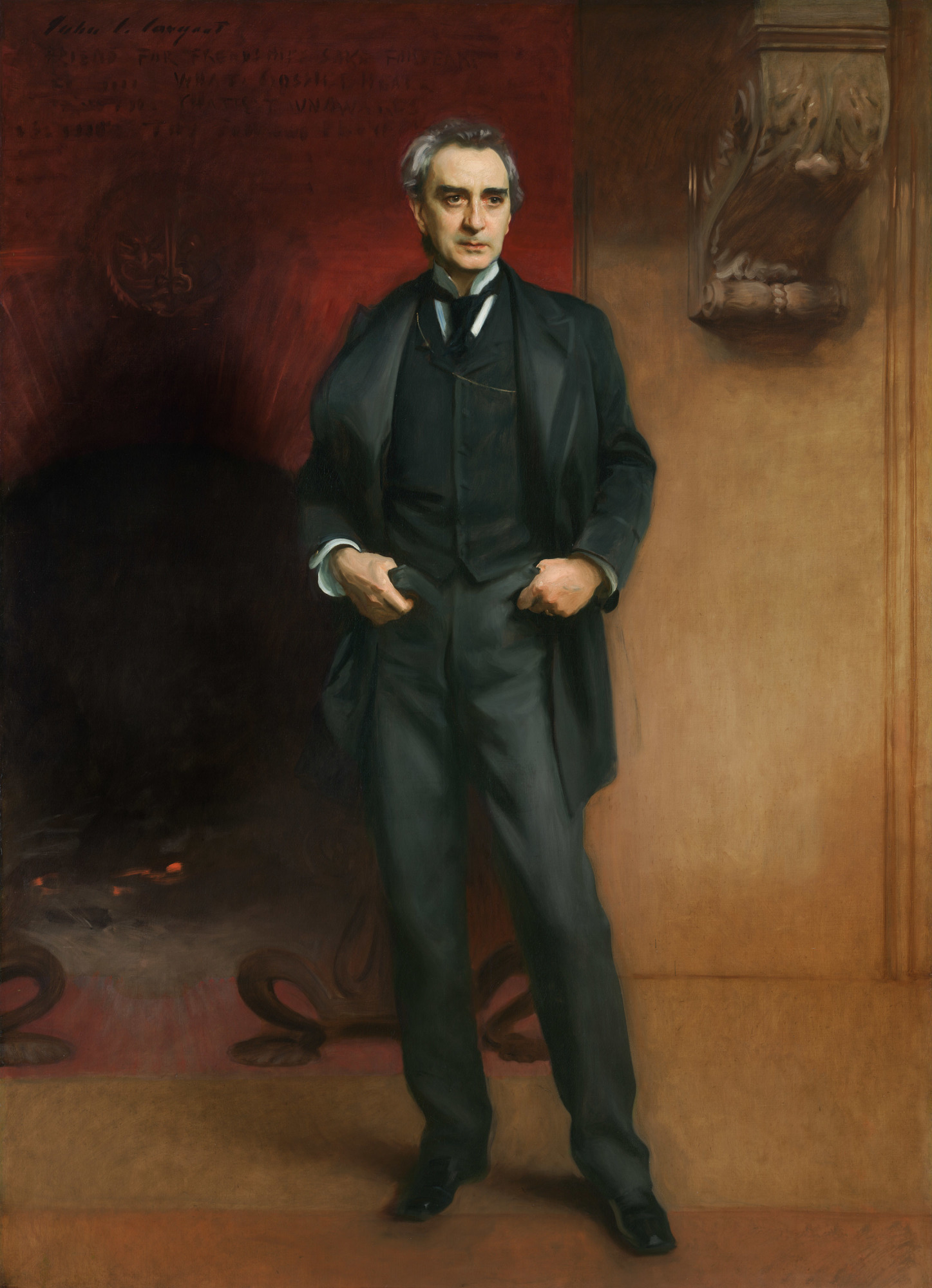
In the quiet hours after midnight, when the billiard balls fell silent downstairs at 16 Gramercy Park South, Edwin Booth often stood alone at his third-floor bedroom window looking out at the moonlit trees of Gramercy Park.
He called those sleepless stretches his “vulture hours.” Behind him, the gaslit rooms held the things he could not part with—his father’s theatrical promptbooks, his late wife’s portrait, and the little gifts his daughter Edwina had made for him. Even Yorick was there, a real skull that had belonged to a Kentucky horse thief before finding a second life in Booth’s Hamlet.
Ahead of Edwin Booth’s November 13 birthday, we begin with the story of the actor himself and the mid-1840s townhouse at 16 Gramercy Park South that he gave away at the stroke of midnight.
A hundred nights as Hamlet—and a name he could not escape
Edwin Booth was born on a Maryland farm on November 13, 1833, the night of the great Leonid meteor shower. He grew up on the road, watching over his brilliant, erratic father, the actor Junius Brutus Booth. From Bowery playhouses to California Gold Rush camps, young Edwin waited outside stage doors, strummed a banjo on hotel beds to soothe his father’s dark moods, and rode to rehearsals wrapped in a black serape. His own Shakespeare would become known for a quiet, conversational intimacy and a voice contemporaries compared to a cello.
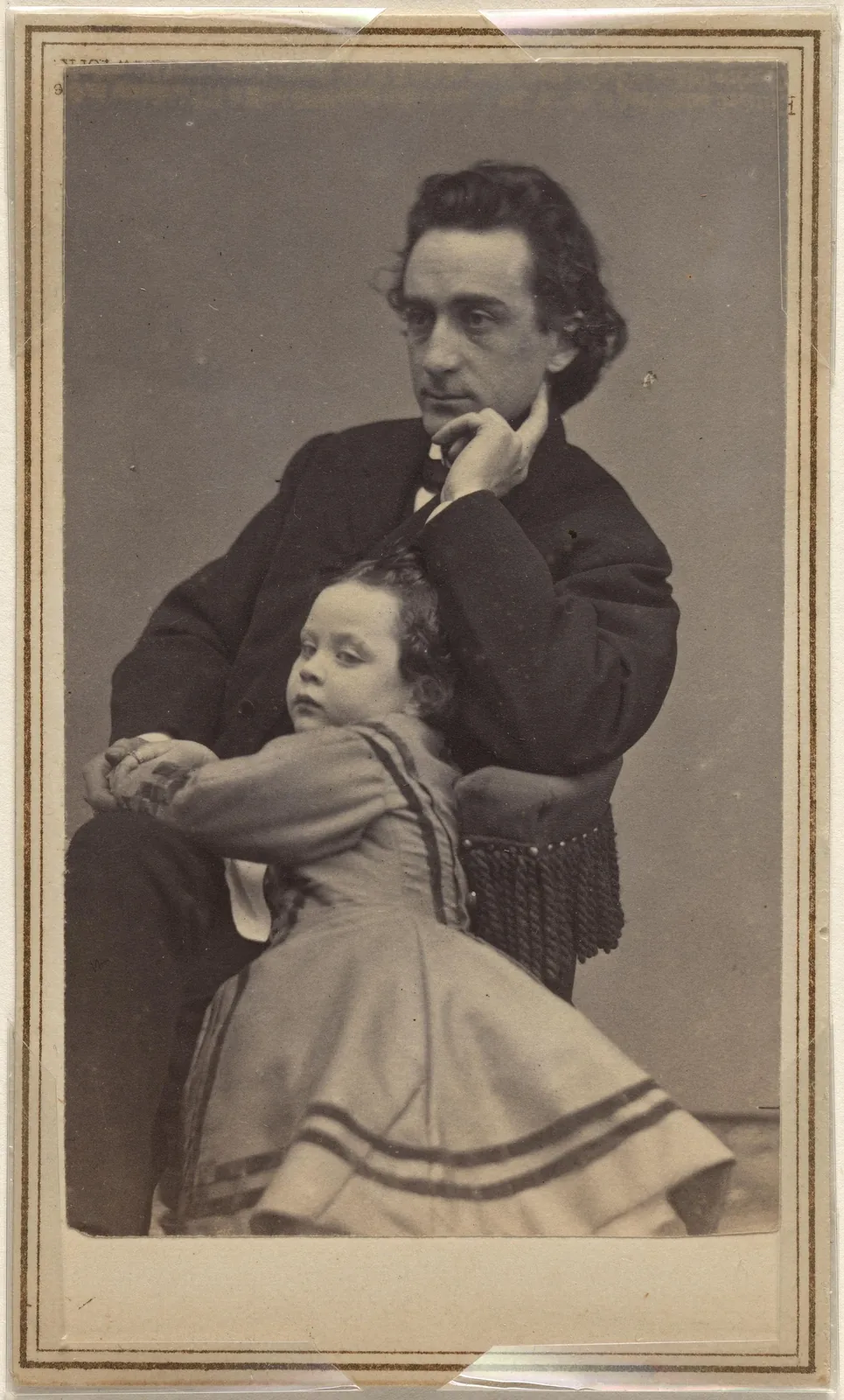
In February 1863, his wife, the actress Mary Devlin, died at twenty-two. Grief-stricken, Booth swore off drink and brought his mother and infant daughter, Edwina, to the Gramercy neighborhood. He first rented on East 17th Street, then bought a house on East 19th Street.
When his younger brother John Wilkes visited, Edwin laid down a strict rule for the dinner table. Lincoln, slavery, and the war were forbidden topics.
Not long before 1865, Edwin was standing on a crowded railway platform in Jersey City when a young man slipped between a moving railcar and the platform. Booth seized him by the coat collar and pulled him to safety. The young man was Robert Todd Lincoln—the eldest son of the President whom Edwin’s younger brother would soon murder.
On March 22, 1865, Booth completed one hundred consecutive nights as Hamlet at New York’s Winter Garden Theatre. Twenty-three days later, John Wilkes shot Abraham Lincoln at Ford’s Theatre. Edwin withdrew to his East 19th Street home for nine months. A neighbor, the Rev. Henry Whitney Bellows of All Souls Church, offered counsel during his seclusion.
On January 3, 1866, financial pressure brought him back to the Winter Garden as Hamlet. His Gramercy Park neighbors filled the front rows. They greeted him with nine rounds of cheers, holding up the performance for minutes.
Away from the footlights, his audiences could be much smaller. In letters to Edwina, he wrote in the voices of the family dog Pip and canary St. Valentine (“I have the nicest seed you ever seed!”). On morning walks, he would kneel beside the Gramercy Park fence for a game of marbles with neighborhood boys.
His voice has survived, too. On our Edwin Booth biography page, an 1890 wax-cylinder recording lets you hear Booth himself reciting Othello.
The house he chose to give away
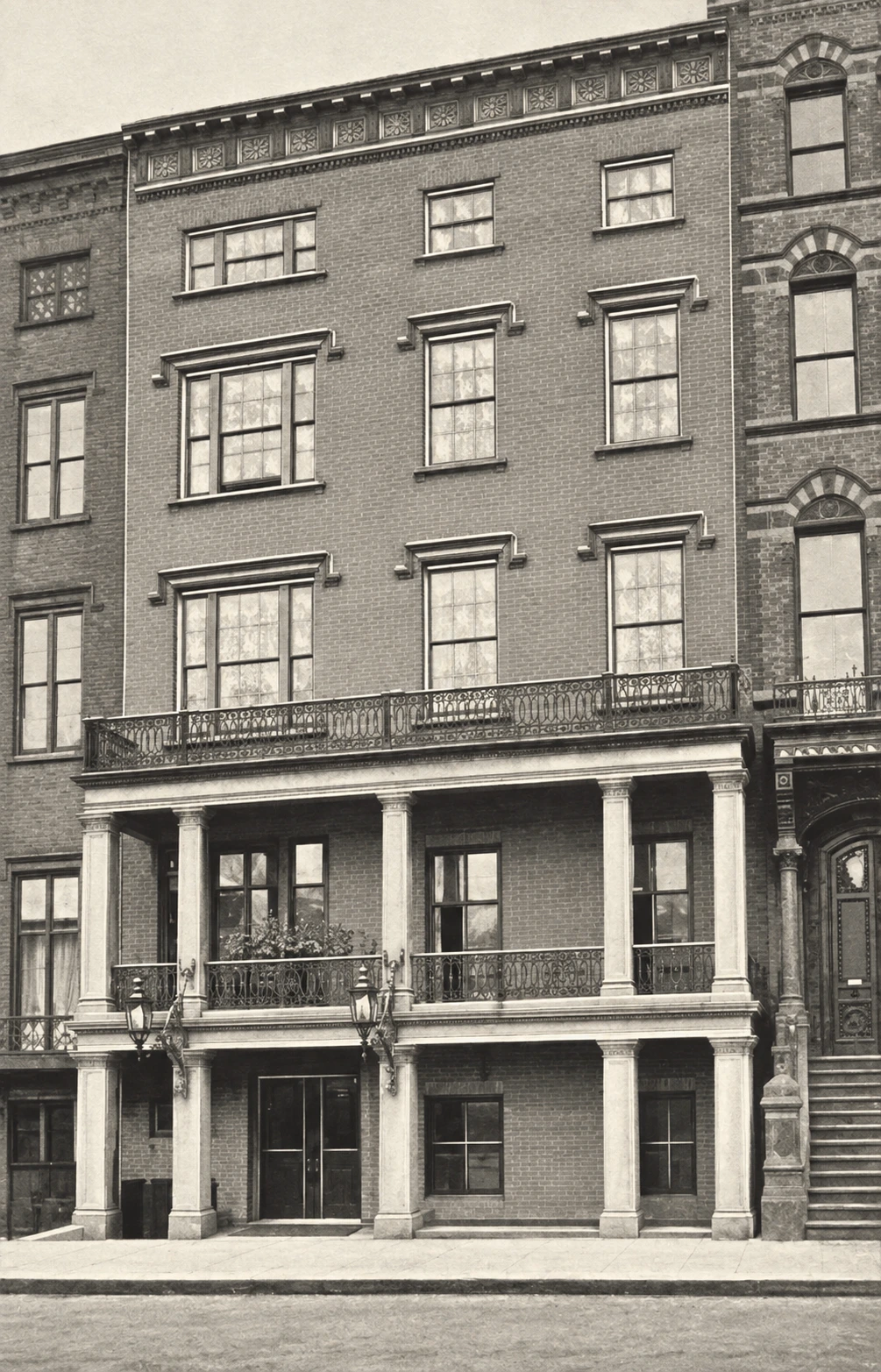
The house Booth would choose had already witnessed another family’s dramas. Built in the mid-1840s, 16 Gramercy Park South became a refuge for Union general Robert Potter in the spring of 1865, when he was carried home after being shot through the body at Petersburg.
His brother, Congressman Clarkson Potter, later brought the address into the aftermath of a disputed presidential election. In 1878, he chaired the investigation into the contest lost by his next-door neighbor at 15 Gramercy Park South, Samuel J. Tilden. The inquiry uncovered coded telegrams sent from Tilden’s own house.
Booth’s idea for the club took shape at sea. In July 1887, while cruising the Maine coast aboard the steam yacht Oneida, he proposed a place where actors—still dismissed by polite society as vagabonds—could meet writers, painters, and architects as equals. A fellow passenger, editor Thomas Bailey Aldrich, found its name in Shakespeare’s As You Like It. It would be called The Players.
The following May, Booth paid $75,000 for No. 16 and entrusted the house to his Gramercy Park North neighbor Stanford White. White waived his fee and transformed the townhouse into a clubhouse, reserving the third floor as Booth’s private home.
When the clock struck twelve
On New Year’s Eve, December 31, 1888, more than a hundred members gathered around the Great Hall fireplace. Booth handed over the deeds to the house, its library, and its paintings. As Lawrence Barrett read a poem sent by Edwina, he reached the words “Tragedian, take the crown.” The clock struck twelve. The Yule log was lit, and a silver loving cup passed from hand to hand—a Founder’s Night ritual observed every New Year’s Eve since.
When Booth raised his top ticket price to $3, Maurice Barrymore pointed to a portrait of Booth holding up three fingers. “There’s a picture of the ‘old man’ raising the price to $3!”
Mark Twain refused to pay a disputed bar bill and stayed away for three years. His fellow members finally wooed him back with an invitation set to “Will Ye No Come Back Again?”
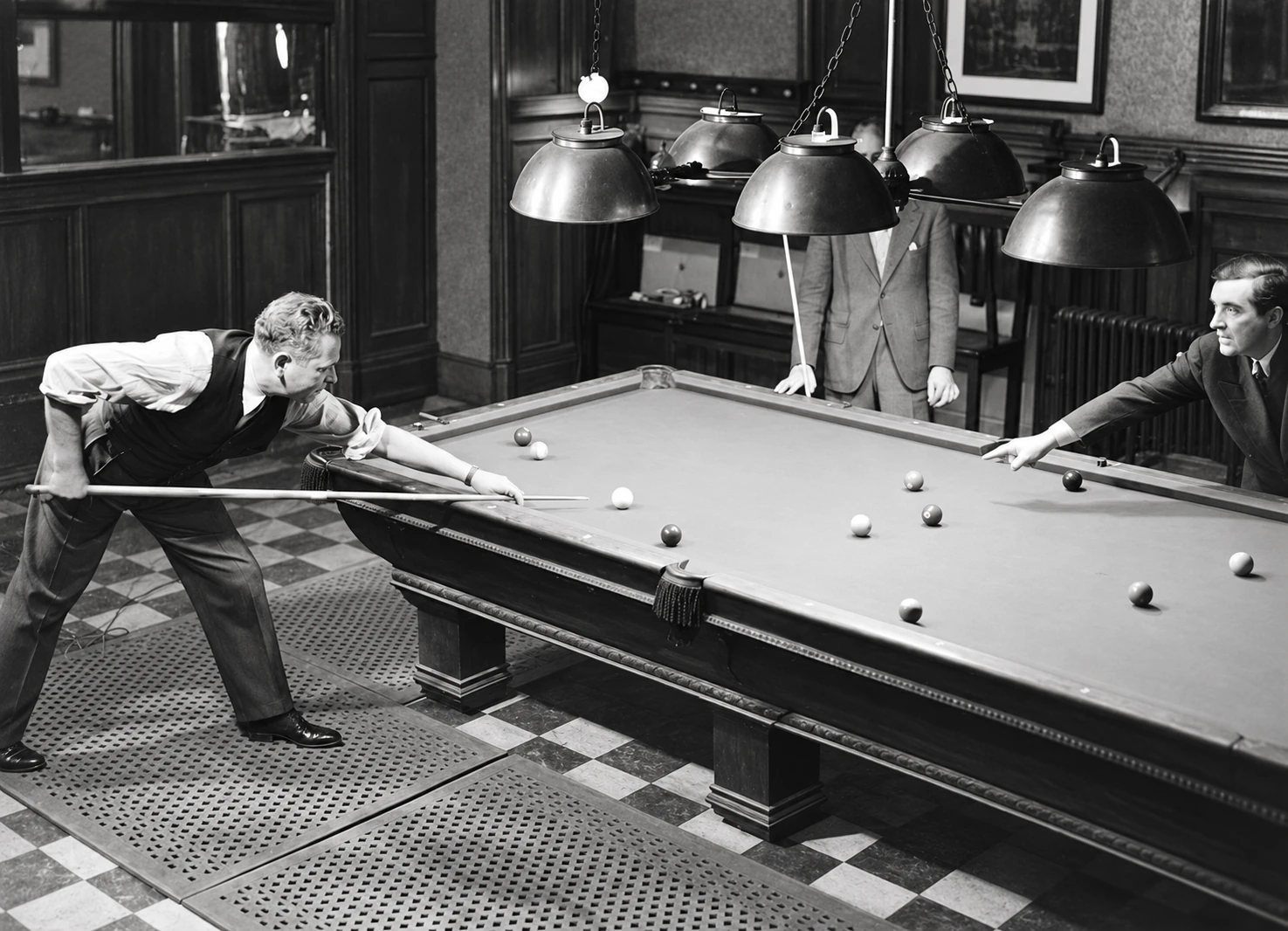
In a second-floor room during the winter of 1912–1913, performers drafted the constitution for Actors’ Equity.
On Shakespeare’s birthday in 1989, the club admitted thirty women, ending a century of all-male membership. Helen Hayes, Lauren Bacall, and Toni Morrison were among them.
Upstairs, Booth’s private rooms were still giving up their secrets. During the 2023–2024 restoration of his “nest among the treetops of Gramercy Park,” conservators found original 1888 wallpaper behind a wall sconce. Then they unlocked a small cabinet by the fireplace, long assumed to be purely decorative. Inside lay Booth’s plaster death mask, made in 1893.
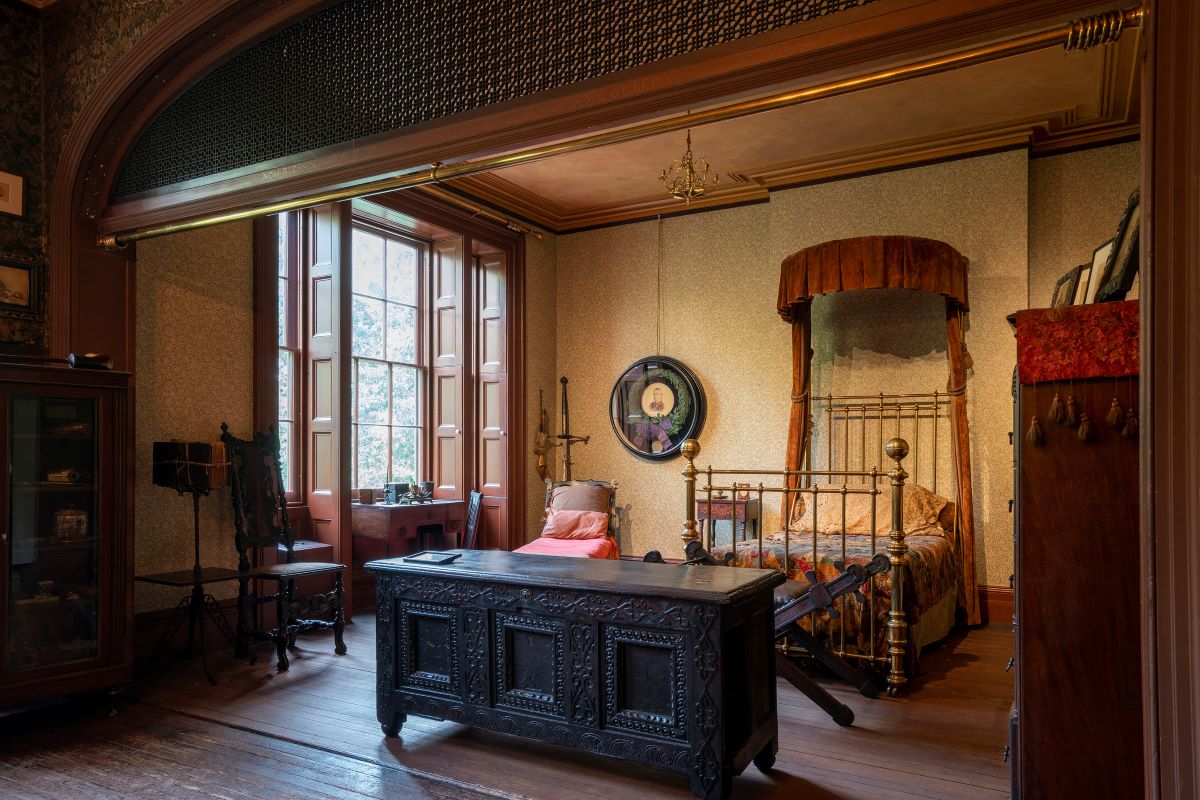
When Booth died in that bedroom at 1:10 a.m. on June 7, 1893, a summer thunderstorm broke over the square and the clubhouse’s electric chandeliers went dark. The house he gave away had been his home until the end. This Friday, November 13, watch your inbox for Act II—the twelve-year saga of how the bronze Hamlet came to stand outside Booth’s window, at the center of Gramercy Park.
Explore 16 Gramercy Park South (The Players) →
Explore our companion biography of Edwin Booth—with his 1890 wax-cylinder voice recording →
Images: John Singer Sargent, Portrait of Edwin Booth, 1890, Amon Carter Museum of American Art (formerly collection of The Players). Edwin Booth and Edwina Booth, 1866, Harvard Theatre Collection. Historical Players illustrations and photographs courtesy of The Players and the Museum of the City of New York. Booth Room photograph courtesy of The Players. Photo credits → · Historical sources →