
The first week: meals where they were needed
In the week of September 11, 2001, the Gramercy Park Block Association worked with restaurateur Danny Meyer and his staff to help deliver meals to emergency personnel. The destinations included Chelsea Piers, Washington Irving High School, the Lexington Avenue Armory, St. Vincent’s Hospital and local police facilities. A neighborhood network became part of a response reaching well beyond Gramercy.
September 12: a neighborhood command center
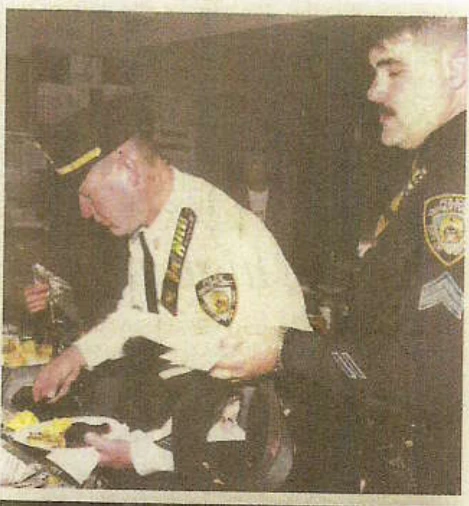
The following day, a round-the-clock support operation began at the 13th Precinct command center. Residents, restaurants, merchants and hotels helped sustain it into December. They brought food, supplies and practical support to responders and visiting volunteers.
Residents from approximately fifty buildings took part, alongside schools, religious institutions and businesses. The Block Association’s 2002 memorandum preserves the names of those who helped.
Help arrived from Ohio
A September 2001 account followed Jennifer Lerch and her sister’s bakery in Sylvania, Ohio, as they mobilized three truckloads of supplies. Calvary Church offered space to unload.
A place to rest
Beginning in November 2001, the Block Association worked with the Olive Leaf Wholeness Center on support for World Trade Center relief workers at Kenmore Hall. Showers, a place to sleep and essential supplies answered needs that continued after the first emergency. The memorandum records this phase through September 2002.
Children found a part to play
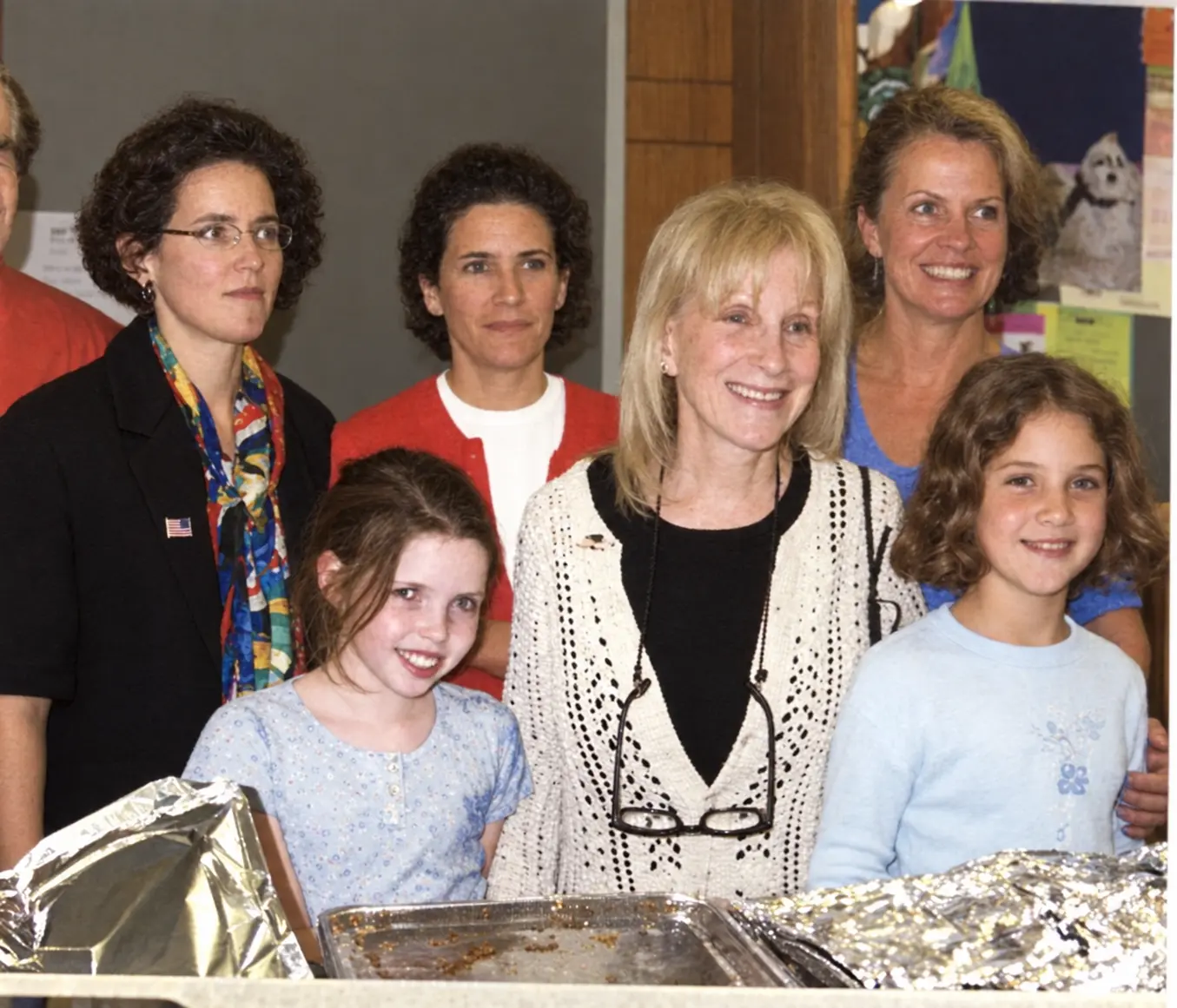
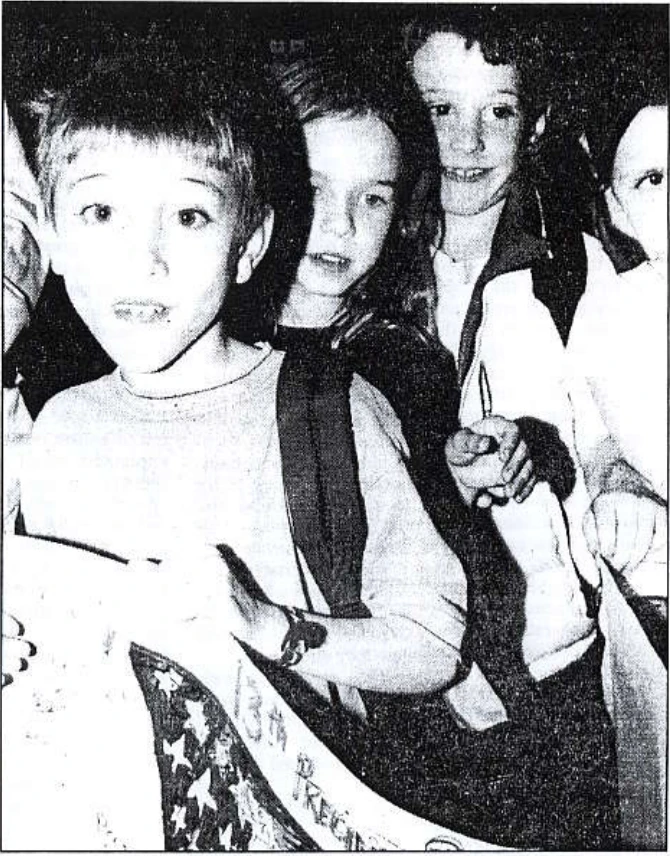
Cards, pictures and banners arrived from children around the country. Local children visited the precinct with baked goods and messages of support. The messages reached workers spending long stretches away from their own families.
The Kids Helping Kids project grew from a connection with a family in Ohio. Later, E-MEN recorded colleagues’ memories of fallen Emergency Service officers for their children. The projects preserved friendship and individual lives within the wider account of the disaster.
Places to grieve together
On September 20, 2001, a prayer vigil and candlelight procession connected Calvary Church with the Brotherhood Synagogue. The illustrated relief record preserves that gathering alongside volunteer photographs, children’s messages and the work at the precinct.
Benefit events, holiday giving and memorial concerts followed. The November 2001 family benefit provided another form of support. The Wall of Support, created by Nilda Mesa, preserved photographs of relief volunteers and expressed thanks to local officers. The Block Association’s retrospective records the involvement of religious leaders, musicians, volunteers and families across these gatherings.
Beyond the first emergency
In a May 28, 2002 letter, the Block Association asked neighbors to continue visiting and providing meals even as the recovery operation at Ground Zero was coming to an end. The letter recognized that the need for companionship and support would outlast that milestone.
Preserving the account
The Block Association’s fifteenth-anniversary retrospective in 2016 reported that Arlene Harrison’s recorded oral history and documentation of the neighborhood relief effort had become part of the National September 11 Memorial Museum’s record. The Block Association also brought its clippings and photographs together in a four-part illustrated history.
The people who brought meals and collected supplies appear in the photographs and newspaper reports, and in Harrison’s own recollections of the neighborhood’s response.
The relationship continues
The relationships formed in the relief effort continued through annual remembrance, the 13th Precinct Remembrance Garden and practical support for first responders. Our 2026 remembrance letter returns to those enduring bonds.
Photographs from later gatherings
The Block Association’s published remembrance collection also preserves these later views:
- 2017 remembrance collection
- 2018 remembrance collection
- 2019 remembrance collection
- 2021 remembrance photograph
2024
Returning to the precinct together
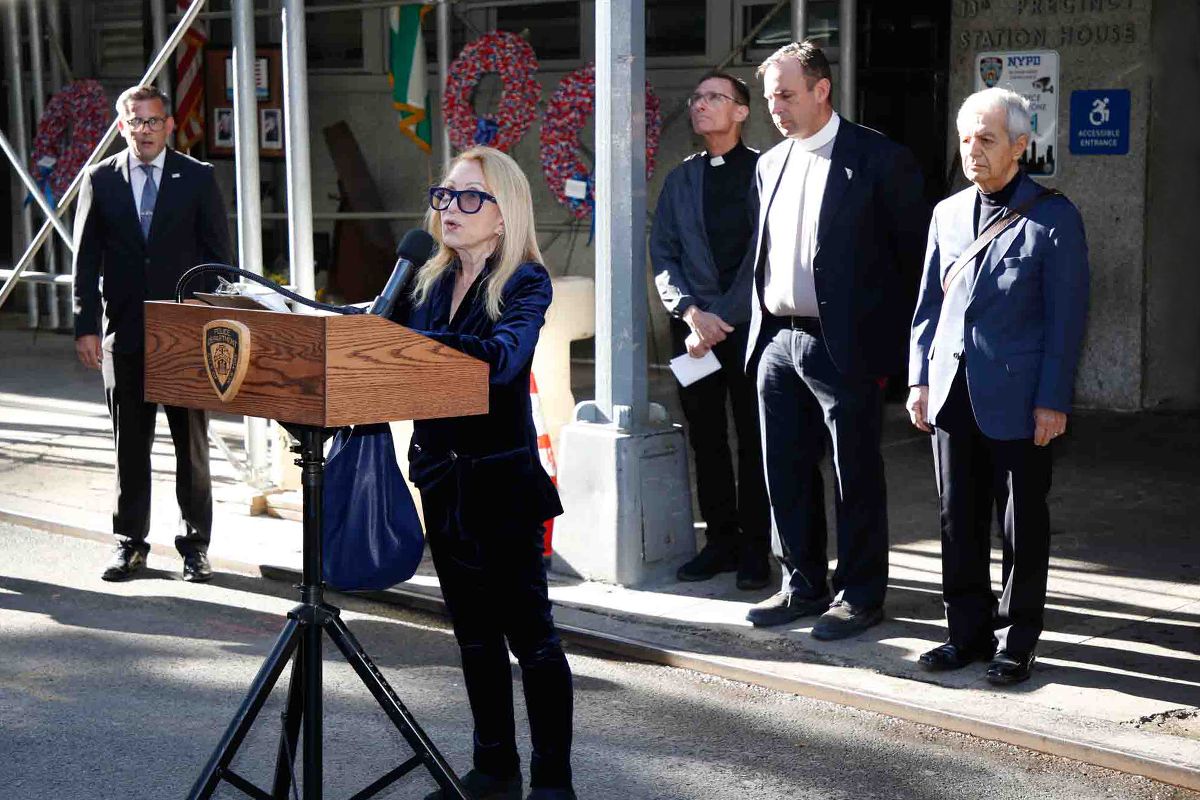
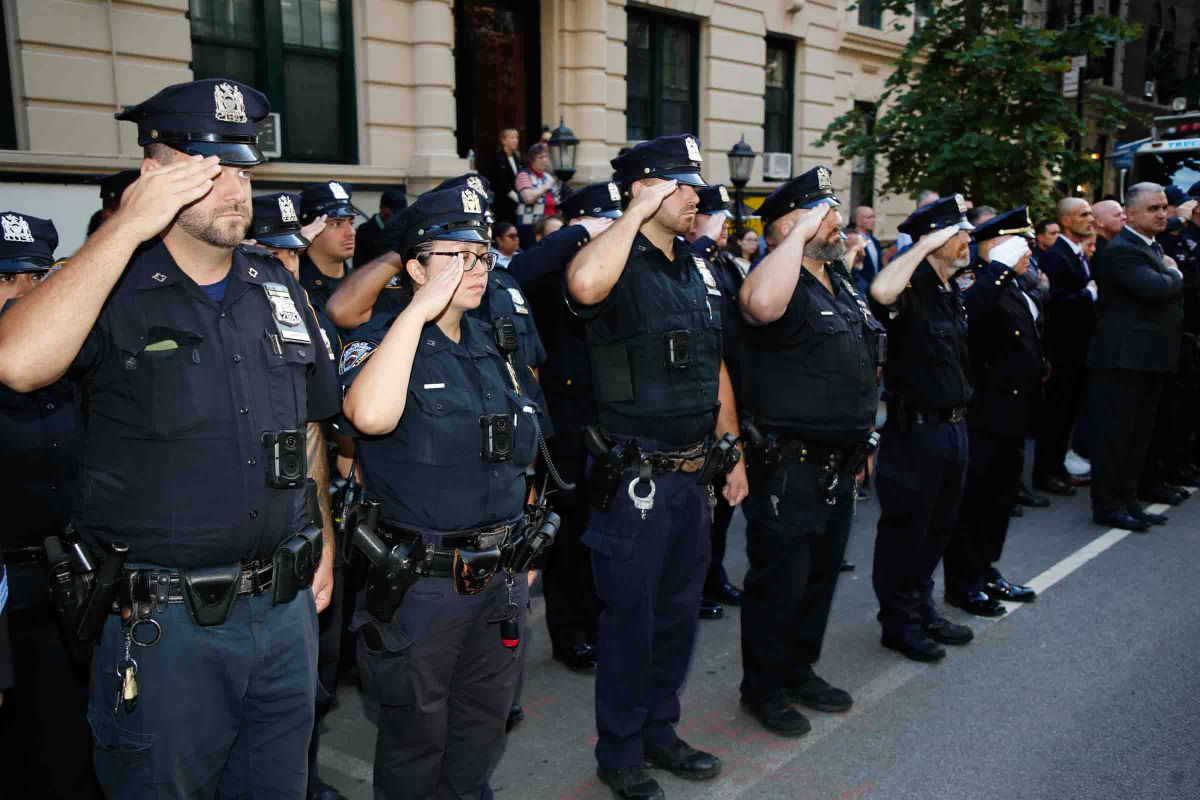
On September 11, 2024, the Block Association sponsored its annual remembrance ceremony and breakfast for the 13th Precinct, Emergency Service Truck 1 and Patrol Borough Manhattan South. The following day’s letter shared Arlene Harrison’s remarks, photographs and a video of the gathering.
The account also returned to the eight-foot photographic exhibit installed inside the precinct after the attacks, NYPD You Make Us Proud. Created by Nilda Mesa, the collage brought the relief volunteers’ faces into the precinct where neighbors and officers continued to meet for remembrance.
Read the September 12, 2024 letter · Watch the 2024 remembrance video
The relationships endured
The relief effort left more than files and photographs. Twenty-five years later, neighbors and officers gathered again at the 13th Precinct. The friendships formed in an emergency had become part of the life of the community.
Sources & historical context
- Gramercy Park Block Association’s remembrance collection and gallery labels
- GPBA relief-effort memorandum, 2002
- Remembrance records
- Illustrated relief-effort record · Part 1
- Gramercy Park Remembers · September 8, 2014 retrospective
- 2016 ceremony poster
- 2019 tribute-poster artwork
- Illustrated relief record · Part 2: Ohio supplies, children’s visits and meal photographs
- Part 3: family benefit and Wall of Support
- Continuing support · May 28, 2002 letter
- Fifteenth-anniversary retrospective · 2016