
Gramercy Stories • No. 1
19 Gramercy Park South
The house that became the Sonnenberg Mansion
—and the hostess who made it a stage

Dear Neighbors,
This is the first installment of Gramercy Stories, a new GPBA series about the buildings, addresses, and places that give our neighborhood its character, as well as the people, personalities, and events that made them memorable.
We begin with 19 Gramercy Park South. More than an address, its red-brick facade, dormered mansard roof, and generous windows seem to rise from the Park's trees—a house that belongs to the landscape as much as it stands beside it.
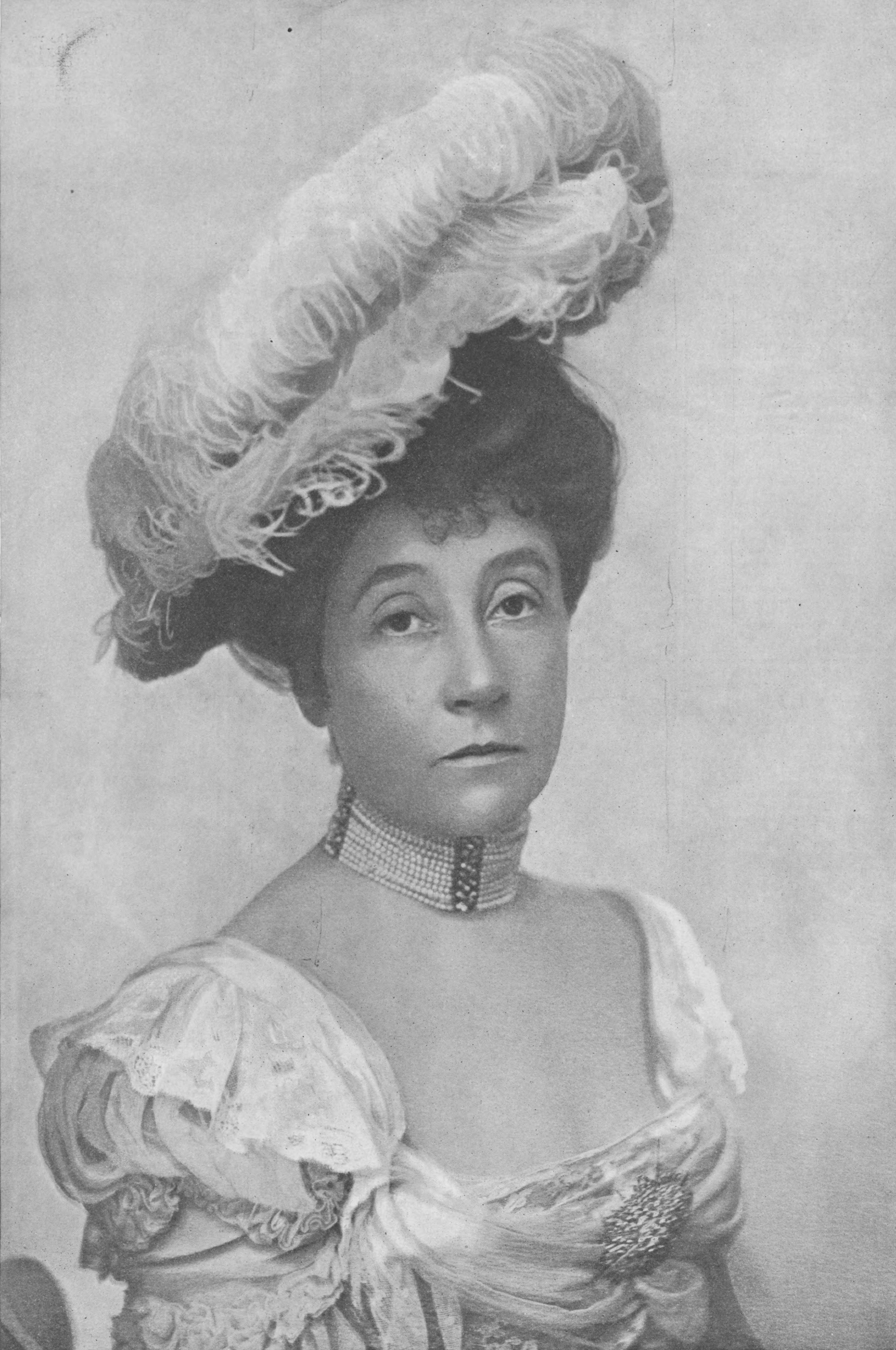
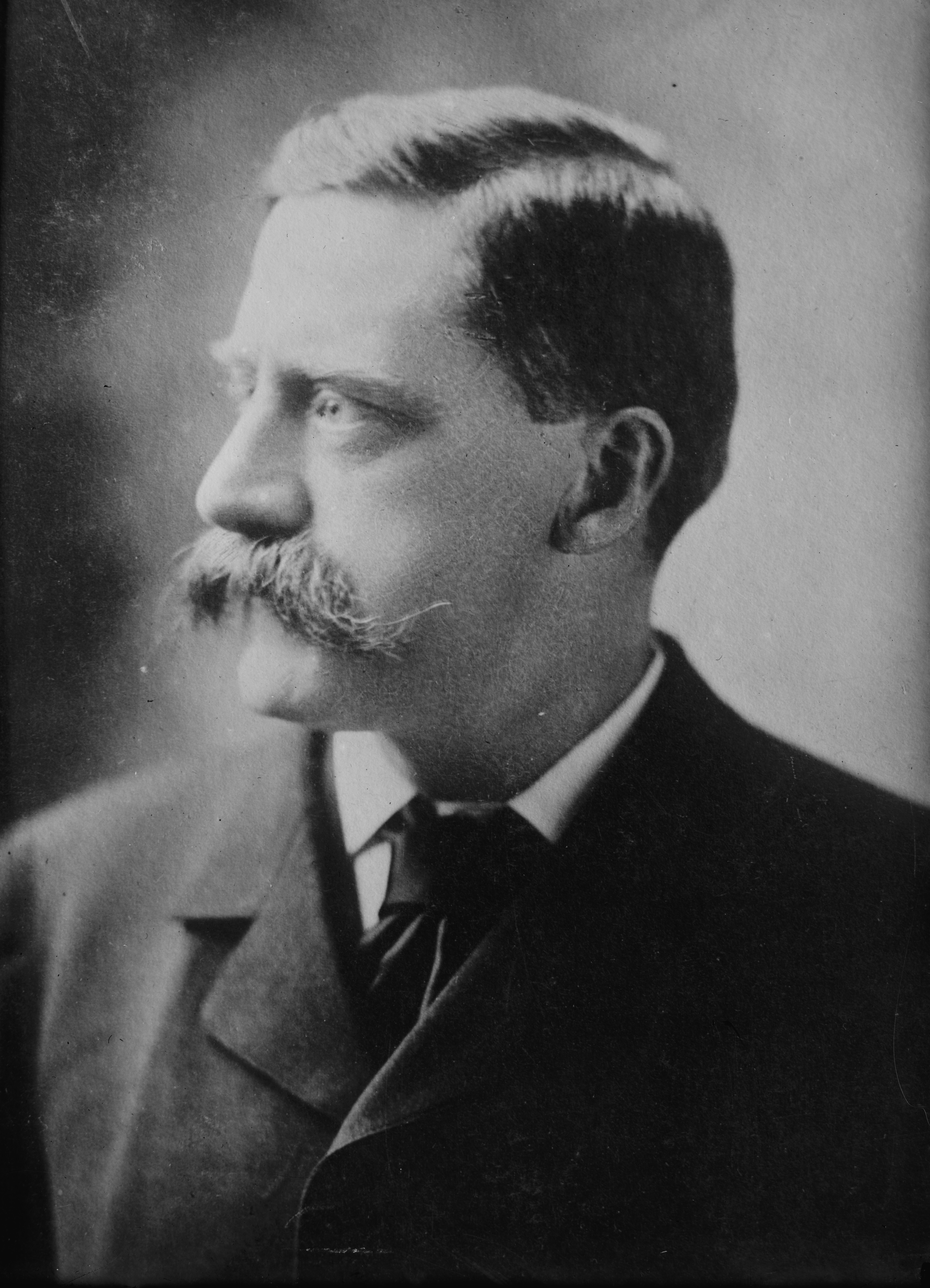
In 1887, Stuyvesant Fish, a prominent railroad executive, a descendant of Peter Stuyvesant, and a Trustee of Gramercy Park beginning in 1893, bought the house with his wife, Marion Graves Anthon Fish. Everyone called her Mamie. She promptly began to make No. 19 her own.
Mamie, as it happens, has never entirely left the stage. A recent New York Times review of Jennifer Wright's Glitz, Glam, and a Damn Good Time offers a lively modern entry point into the woman behind the legend. It also reminds us that her particular blend of wit, spectacle, and nerve still travels well.
A house with this much history was never going to be content with one name. Over time, 19 Gramercy Park South has carried several: 86 Irving Place, the Stuyvesant Fish House, and, after a later chapter in its life, the Sonnenberg Mansion. Each name opens a different door onto the house's past.
A House That Rose out of the Park
The original four-story brick house was built in 1845 by William Samuel Johnson. Its next owner, Horace Brooks, added the black mansard roof and a stable. By the time the Fishes took it over in 1887, Gramercy had become one of the city's most fashionable addresses, and No. 19 was ready to become less a private residence than a stage for arrival, surprise, and a steady stream of guests.
In his celebrated 1979 New Yorker profile, Brendan Gill described No. 19 as a house whose brickwork and mansard roof seemed to grow from the Park's foliage. It is hard to imagine a better description of the place: not simply a grand house beside Gramercy Park, but one that seems to have risen from it.
The Address Mamie Changed
Mamie deserves credit for one of the house's most memorable transformations. When the Fishes purchased the property, its official address was 86 Irving Place. Mamie had it changed to 19 Gramercy Park South, even though the entrance remained squarely on Irving Place. The doorway stayed put; the house's identity did not.
It was a small act of social theater, and a wonderfully practical one: Mamie put the Park directly into the house's name. The new address announced where the home belonged, and how she intended it to be remembered.
The House as Stage
Stanford White did not build the house from the ground up. After Stuyvesant Fish acquired it, however, Mamie commissioned White, of McKim, Mead & White, to remodel and enlarge it in 1887. He is widely credited with the white-marble staircase and top-floor ballroom that helped make No. 19 the stage she wanted. Later accounts have questioned the attribution of every part of the work, so “remodeled by Stanford White” is the careful formulation.
Mamie had no patience for a house that merely looked impressive. It had to perform, and she knew how to direct it. She became known as a “fun-maker”, direct, outspoken, and quick-witted, a hostess who preferred wit to ceremony and movement to monotony. Her “fifty-minute dinners” challenged the era's long, formal meals: enough time for a good dinner, but not enough time for the evening to go stale.
“Make yourselves at home,” Mamie would say, before adding, “and believe me, there is no one who wishes you were there more than I do.”
From Fish House to Sonnenberg Mansion
The house's cast changed, but its appetite for performance did not. The Fishes kept No. 19 after they moved away, and the property continued to evolve. In 1909, the stable was replaced by a studio-apartment building. In 1931, Benjamin Sonnenberg, the publicist and advertising executive who would become one of New York's great professional hosts, moved into the lower floors. By 1945, he had bought the entire property and connected the original house with the apartment building, creating a 37-room-plus residence filled with art, antiques, and conversation.
Sonnenberg gave the ballroom a second act, reviving it as a setting for another generation of New York entertaining. That later chapter is why the house is often known today as the Sonnenberg Mansion, though its earlier lives as 86 Irving Place and the Stuyvesant Fish House remain inseparable from its identity.

More than a century later, the red-brick facade still watches over the Park's trees. Mamie changed the address, White helped shape the stage, and Sonnenberg gave the house a new chapter. But the lesson that lasts may be the simplest: even the grandest house is more memorable when someone inside knows how to make it fun.
This is only the beginning of Gramercy Stories. In the installments ahead, we will move from one address to the next, exploring the places, people, and stories that have given Gramercy its character. A neighborhood is never just its architecture. It is the wit in its dining rooms, the ambition behind its doors, the memories attached to its names, and the people who make a place worth remembering.
Warmest regards,

Arlene Harrison
President, Gramercy Park Block Association
Support the Work of the GPBA
The Block Association’s work is made possible by the generosity of neighbors like you. Contributions support our programs throughout the neighborhood and are tax-deductible to the fullest extent permitted by law.
Images: 19 Gramercy Park South in 1909, historic photograph via Daytonian in Manhattan. Mamie Fish, circa 1902, Harper’s Weekly, via Wikimedia Commons. Stuyvesant Fish, Bain News Service, Library of Congress; public domain, via Wikimedia Commons. René Robert Bouché, Benjamin Sonnenberg, 1955, National Portrait Gallery, Smithsonian Institution; gift of Denise Bouché Fitch. Sources cited →