
Gramercy Stories
Upstairs at The Gramercy
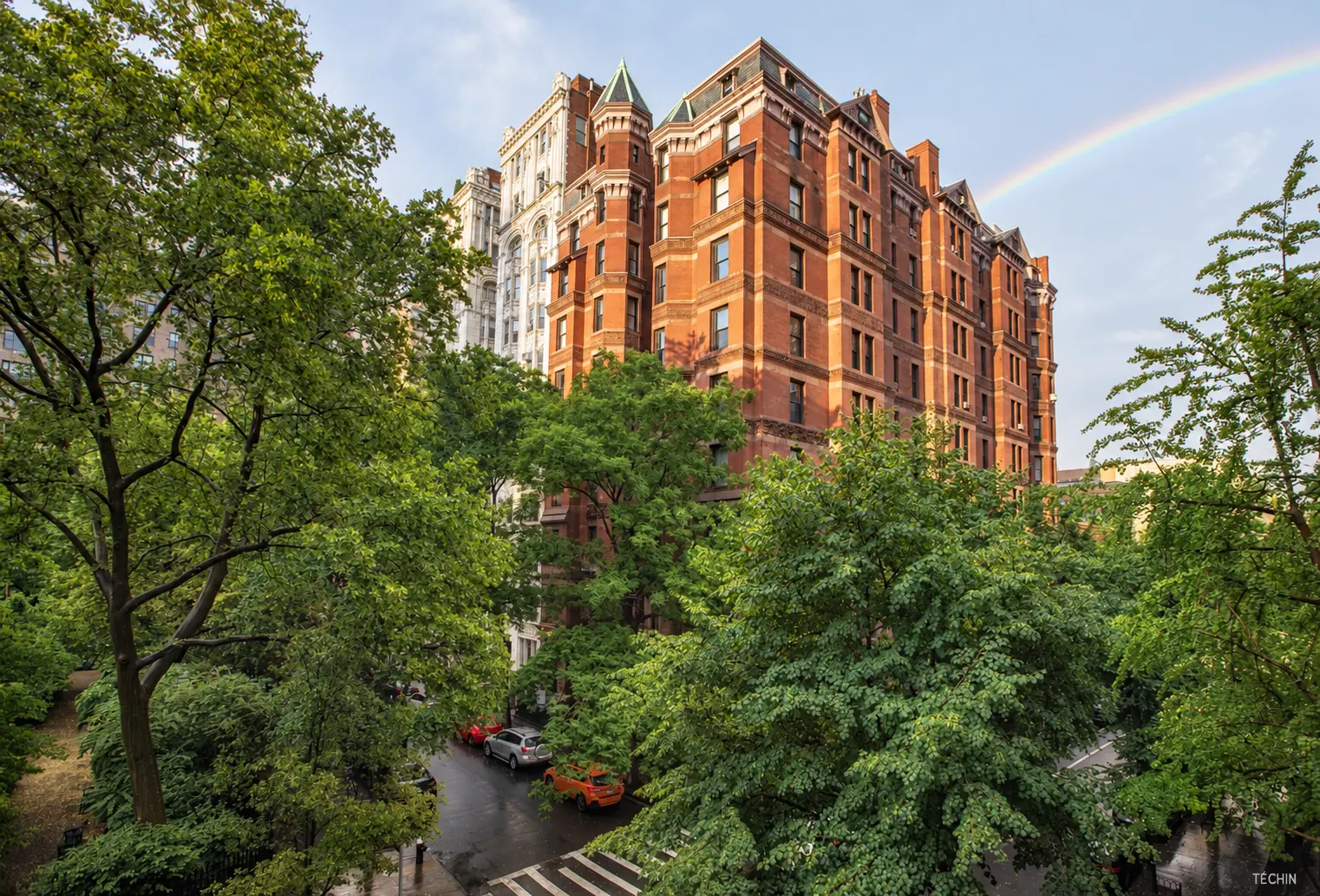
34 Gramercy Park East
By Timothy Cohen
Until 1994, the ride home began with a rush of water.
Dear Neighbors,
For more than a century, every ride home at 34 Gramercy Park East began with a heavy clunk and a rush of water. The elevator ran not on electricity but on water pressure from a tank on the roof, and it had moods: a change in passenger load could speed it up or stop it cold. The car was worked by a rope running straight through the cab. The doorman handled it, and every so often he would let those of us who were kids in the building take hold and pull. As longtime superintendent Raymond Santiago told The New York Times, keeping it running was really a matter of plumbing.
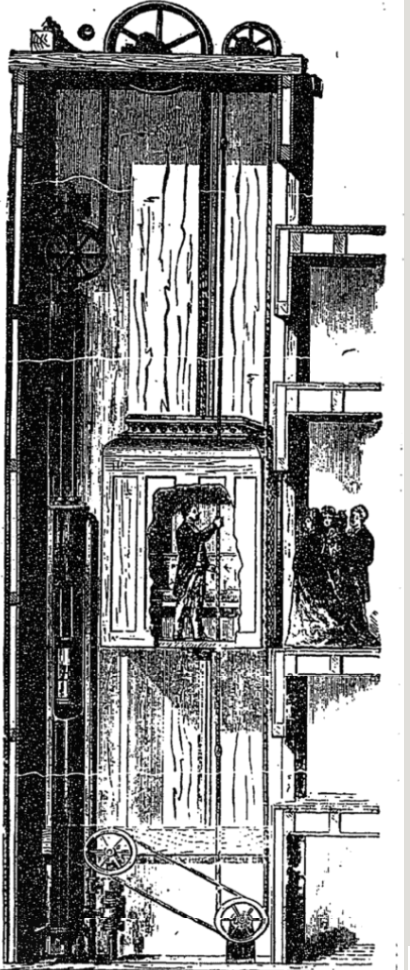
That 1883 machinery was still carrying us upstairs in 1994, long after The New Yorker had singled it out as the oldest hydraulic system still running in the city. When the co-op finally retired the water drive after 111 years, it made sure to preserve the passenger car itself.
The elevator wasn’t the only experiment under that roof. Step beneath the winged lions at the entrance and you’re entering New York City’s oldest continuously operating cooperative.
A different idea of home
When The Gramercy opened in 1883, owning an apartment in New York was a brand-new idea. Its promoter, Charles Gerlach, sold residents shares in the building, and he had one firm rule: every floor would cost the same. Price them differently, he told a reporter, and you “change the caste of your whole house.” Residents didn’t even have to cook. For the first year, a young Louis Sherry, later the Gilded Age’s most fashionable caterer, ran a kitchen on the eighth floor and sent meals down to the apartments.
Flush with success, the building’s original developers and architect tried something far grander at Fifth Avenue and 59th Street. It bankrupted them, and new owners finished it as the original Plaza Hotel. The modest experiment on Gramercy Park is still going.
Fridays upstairs
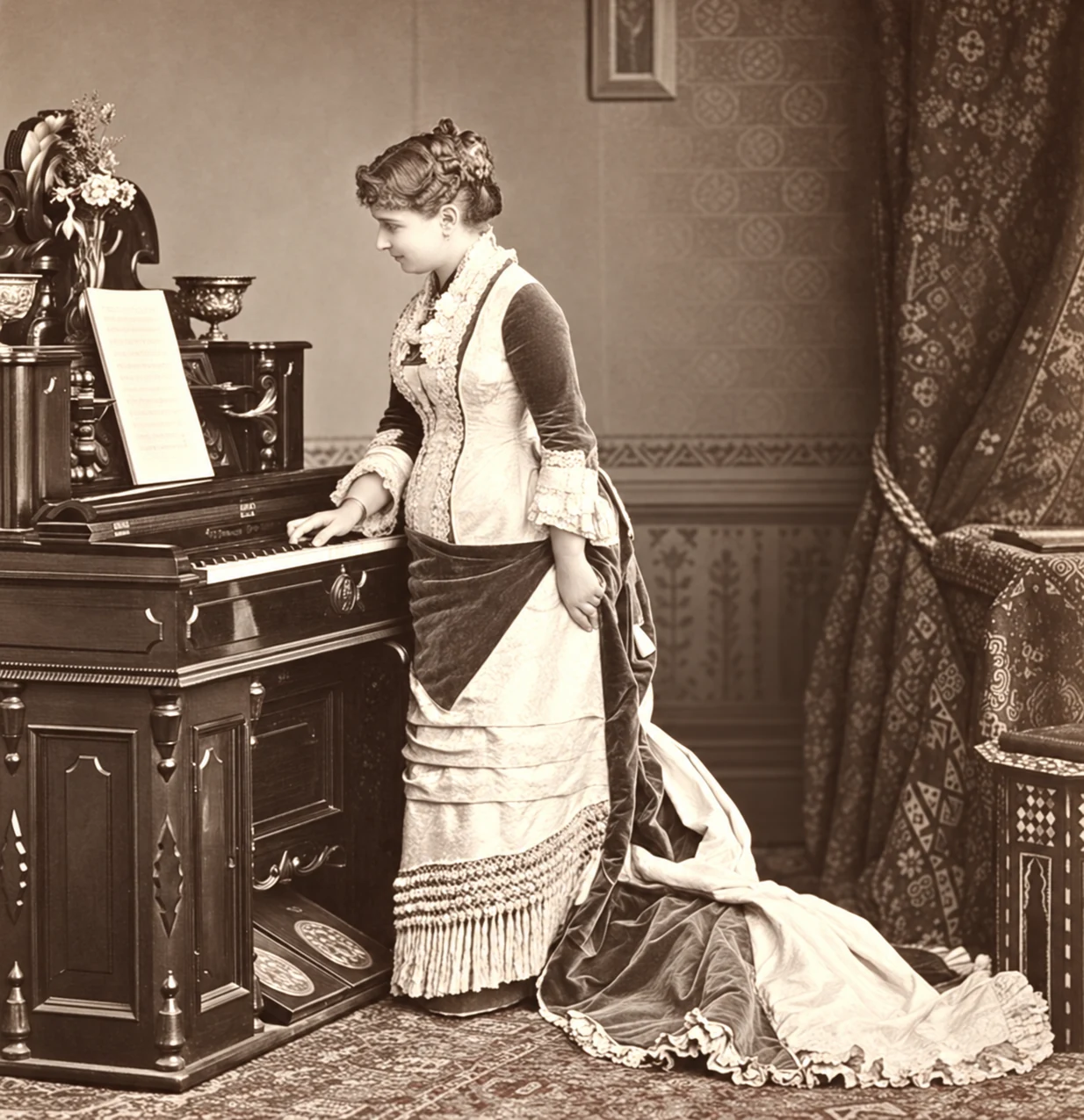
From the beginning, The Gramercy drew a remarkable concentration of figures in the arts, starting with one of its inaugural 1883 shareholders: the internationally celebrated concert soprano Emma Thursby. On winter Fridays, she and her sister Ina opened their sunny corner drawing room—with its two fireplaces and windows on three sides—to writers, artists, and musicians from around the world. Future Metropolitan Opera star Geraldine Farrar studied voice there, and in January 1895 the Hindu monk Swami Vivekananda spoke in Thursby’s drawing room—sparking a friendship in which he introduced her to Indian music and Sanskrit chants while she taught him songs by Edvard Grieg.
The household’s other star performer was Mynah, a talking mynah bird acquired in Germany around 1887 whom newspapers credited with speaking five languages. Perched at the window overlooking the Park, he would watch the neighborhood children at play and call out, “Mamma, mamma, I want to get out! I’ll come right back.” Mynah even had his own correspondence: preserved among Thursby’s papers at the New-York Historical Society are thank-you letters addressed directly to the bird for entertaining young visitors, along with an official pass from the Pullman company permitting him to travel with his owner by rail.
Stars as neighbors
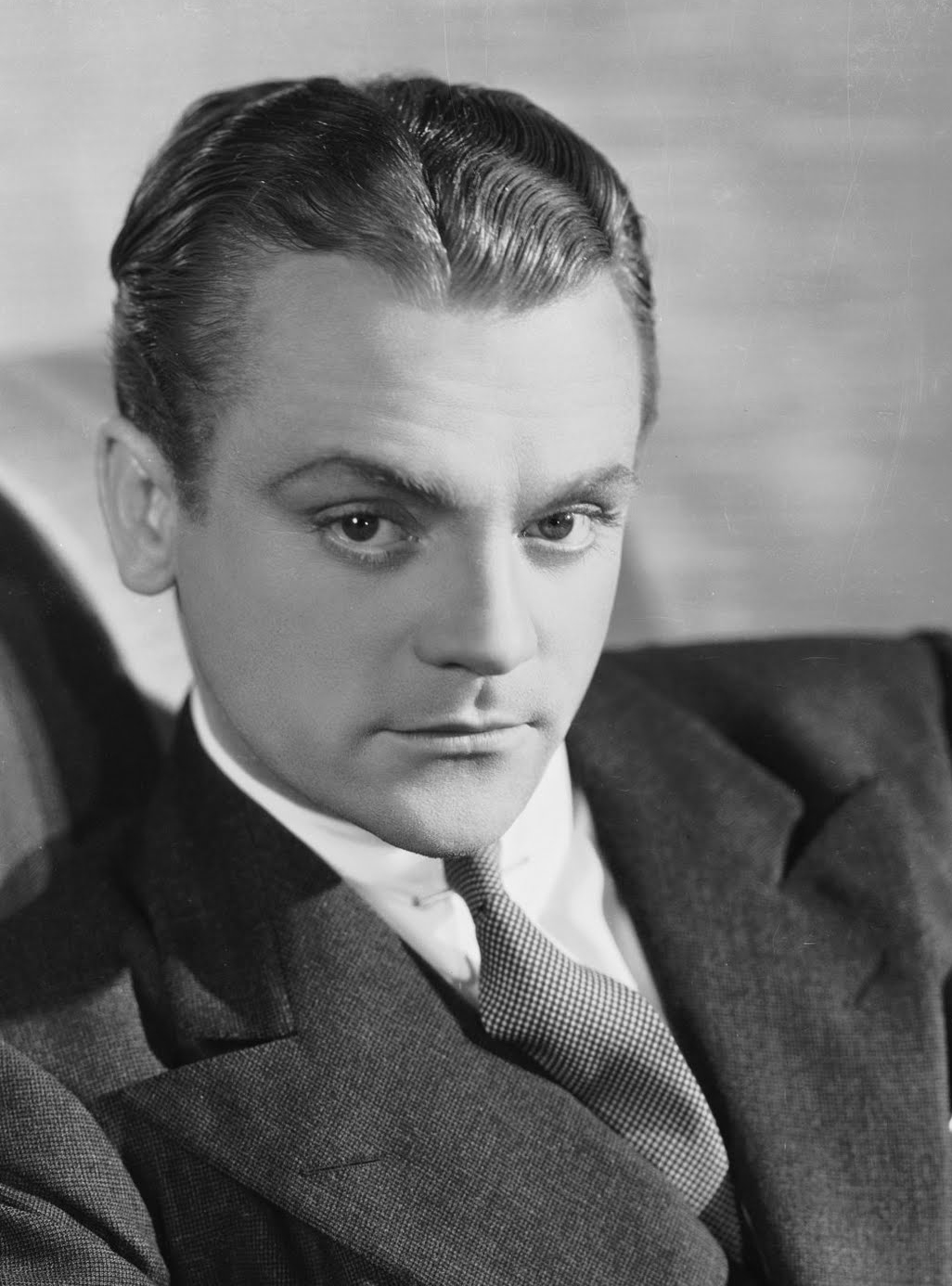
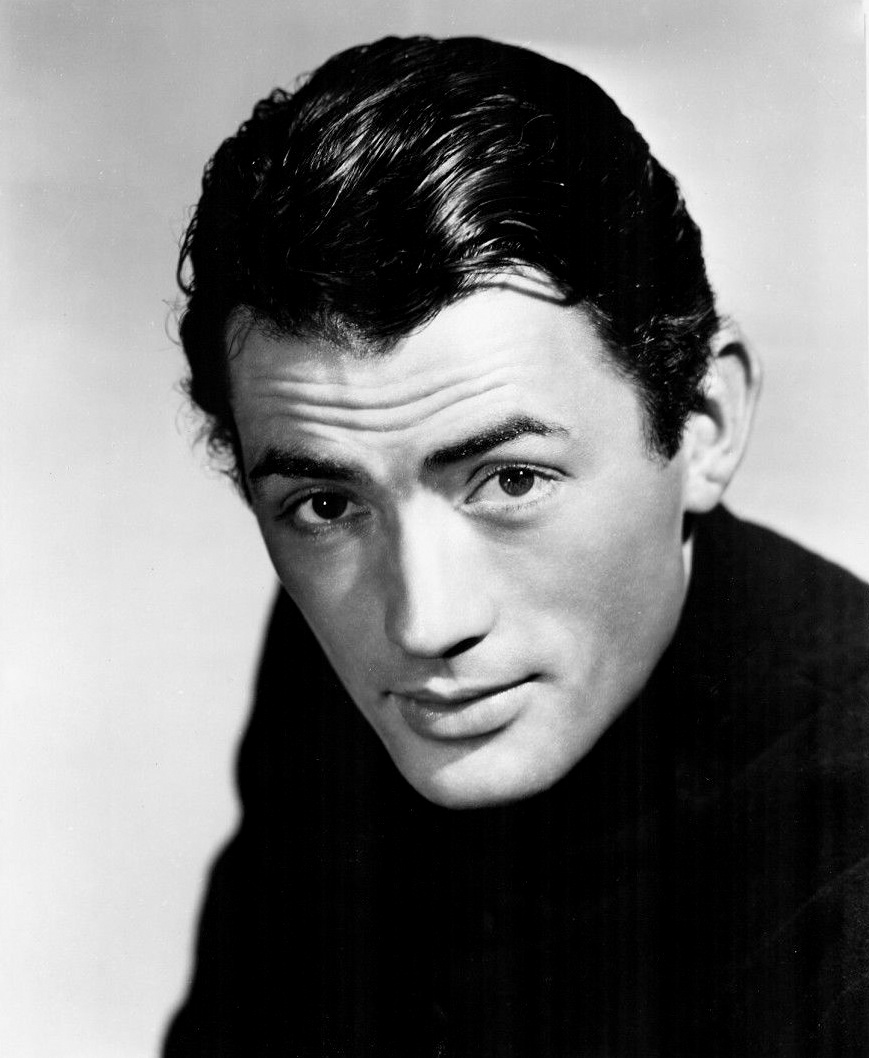
Across the decades, that creative lineage continued upstairs. Screen legends James Cagney and Gregory Peck both called No. 34 home—Cagney and his wife, Frances, living here from 1965 to 1968, when they were regulars in the dining room of the Gramercy Park Hotel across the Park.
For the building’s children, though, no resident cast a longer spell than Margaret Hamilton up on the ninth floor. The actress who immortalized the Wicked Witch of the West started a beloved Halloween tradition at No. 34, lining the hallways with carved, candle-lit pumpkins alongside baskets of candy and freshly baked cookies—a memory I still treasure, even if, as a little boy, I was considerably less enthusiastic about approaching her floor. The Wicked Witch of the West will have a profile of her own later this Halloween week.
The roof tank is long gone and the elevator runs on electricity now, but the 1883 cab that once carried Emma Thursby’s Friday guests still brings residents home. Some experiments just work.
Sharing Gramercy’s history brings us closer as neighbors and helps us preserve the character of the place we call home. Please consider a gift in support of this work.
Contributions are tax-deductible to the extent permitted by law.
Gramercy Park Block Association
Good newsletters make good neighbors.
Images: Rainbow photograph: TÉCHIN, as credited in the building profile. Elevator illustration: reproduced in Christopher Gray’s New York Times “Streetscapes” column, August 14, 1994; supplied reproduction. Emma Thursby beside a parlor organ: historical photograph supplied via Find a Grave; photographer and date unidentified. James Cagney: Warner Bros. publicity portrait, circa 1930s; Gregory Peck: studio publicity portrait, 1944. Both via Wikimedia Commons, public domain in the United States. Image credits and originals → · Historical sources →